
 English
 中文简体
 Español
 English
 中文简体
 Español

Best Air Fryer Vegetable Recipes: Exact Times, Temps, and Tray Rules
Crisp edges, sweet centres, and no grey mush. The recipe is rarely the problem — the load, the cut, and the temperature usually are.
Slice a zucchini into half-inch coins, toss them with a teaspoon of oil, and drop them into a preheated 400°F basket. Eleven minutes later you have browned coins with a little bite left in the middle. Now add one extra handful so the basket looks comfortably full, and the same zucchini comes out pale, soft, and watery. The seasoning never changed. The airflow did.
That single difference explains why copying a recipe from someone else's kitchen so often disappoints. So here is the short version before the detail: dry the surface, cut evenly, use one to two teaspoons of oil per pound, run firm vegetables at 400°F and delicate ones at 350–375°F, shake halfway, and never build the load deeper than a single layer about two-thirds up the basket.
Read the Numbers Before You Read the Recipe
Published vegetable recipes disagree about times because they disagree about cut size, load, and preheating. Settle those three variables and the numbers stop fighting each other. The baseline below assumes a preheated basket, one layer, pieces between half an inch and one inch, and one to two teaspoons of oil per pound.
| Vegetable | Cut | Temperature | Time | Note |
|---|---|---|---|---|
| Broccoli | 1-inch florets | 390°F | 8–10 min | Shake at 5 minutes |
| Cauliflower | 1-inch florets | 390°F | 12–15 min | Longer end for thick stems |
| Brussels sprouts | Halved | 380°F | 12–14 min | Start cut side down |
| Carrots | Half-inch sticks | 380°F | 14–16 min | Test one piece at 14 |
| Sweet potato | Half-inch cubes | 400°F | 12–15 min | Shake twice |
| Zucchini | Half-inch coins | 400°F | 10–12 min | Salt after cooking |
| Green beans | Whole, trimmed | 390°F | 8–10 min | Keep them from overlapping |
| Asparagus | Whole spears | 400°F | 6–8 min | Thin spears finish at 5 |
| Bell pepper | 1-inch pieces | 390°F | 8–10 min | Skin blisters nicely |
| Mushrooms | Halved | 380°F | 8–10 min | They release water fast |
| Corn on the cob | Halved cobs | 390°F | 12–15 min | Turn once |
Two factors move those numbers more than any seasoning. A cold basket can add three or four minutes and leave everything pale; an overfilled basket can add ten minutes and still never brown properly. If you work with a compact machine, stay at the short end of each range and cook two batches instead of one.
Four Prep Rules That Do Most of the Work
Preparation decides the outcome long before the timer does.
- Dry the surface. Water becomes steam, steam cools the basket, and browning is where roasted flavour comes from. Pat everything dry, including mushrooms and defrosted vegetables.
- Cut to one size. Half-inch to one-inch pieces finish together. One thick chunk can leave the rest of the batch overcooked while it stays firm in the middle.
- Oil lightly and evenly. Toss rather than pour. One to two teaspoons per pound carries heat and seasoning; more than that pools on the floor and smokes.
- Respect the fill line. A single layer filling no more than two-thirds of the basket leaves room for air to move. Overlap and the vegetables steam in their own moisture.
A quick check: shake the basket after four minutes. If the pieces move freely and the surfaces look dry, the load is right. If they clump and steam rises, take a third out and start a second batch.
Three Behaviour Groups, Three Settings
Vegetables are not interchangeable. Grouping them by water, sugar, and starch content removes most of the guesswork.
High-water and quick
Zucchini, mushrooms, peppers, onions, eggplant, and tomatoes brown fast at 400°F and release moisture as they cook. Use the lighter end of the oil range, shake early, and salt them after cooking rather than before.
Dense and starchy
Potatoes, sweet potatoes, carrots, parsnips, squash, and cauliflower need twelve to eighteen minutes and tolerate high heat well. Soak cut potatoes in cold water for ten minutes, dry them thoroughly, and toss with a teaspoon of cornstarch per pound for a crisper shell.
Thin and tender
Asparagus, green beans, snap peas, and kale cook in five to nine minutes. Kale wants 350°F and four to six minutes, torn into pieces and barely oiled. Leafy greens such as spinach do not belong in an air fryer at all; they release too much water and finish as a tangle rather than a crisp.
Cooking carrots and zucchini in one basket does not give you two vegetables. It gives you one raw-crisp vegetable and one soft one, at the same time.
Batching, Capacity, and Basket Geometry
There is no "more food" setting. Two batches of twelve minutes beat one crammed batch of twenty-five, and the second batch behaves exactly like the first, which makes the result predictable.
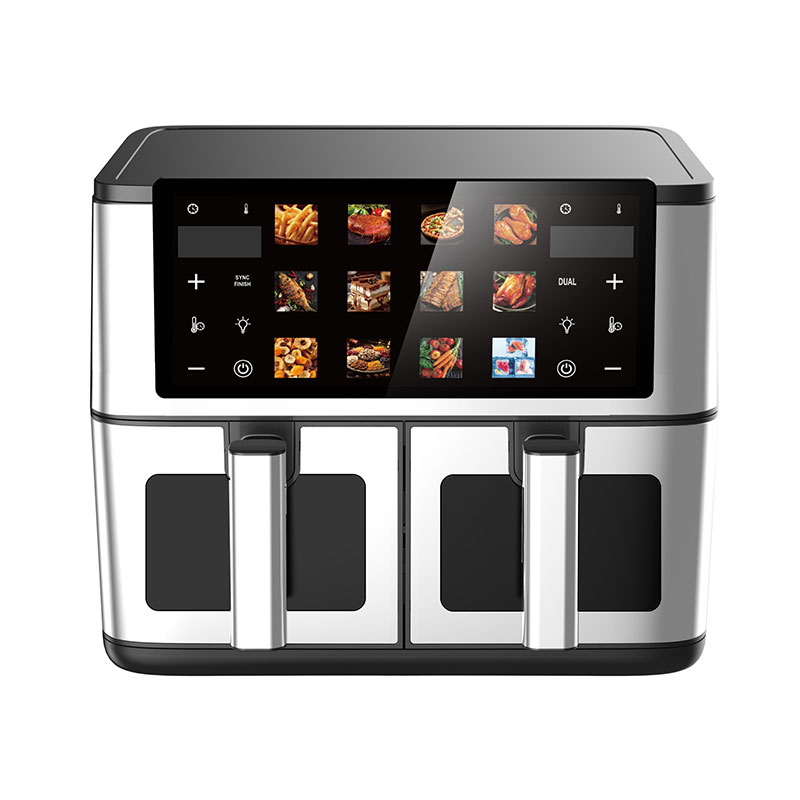
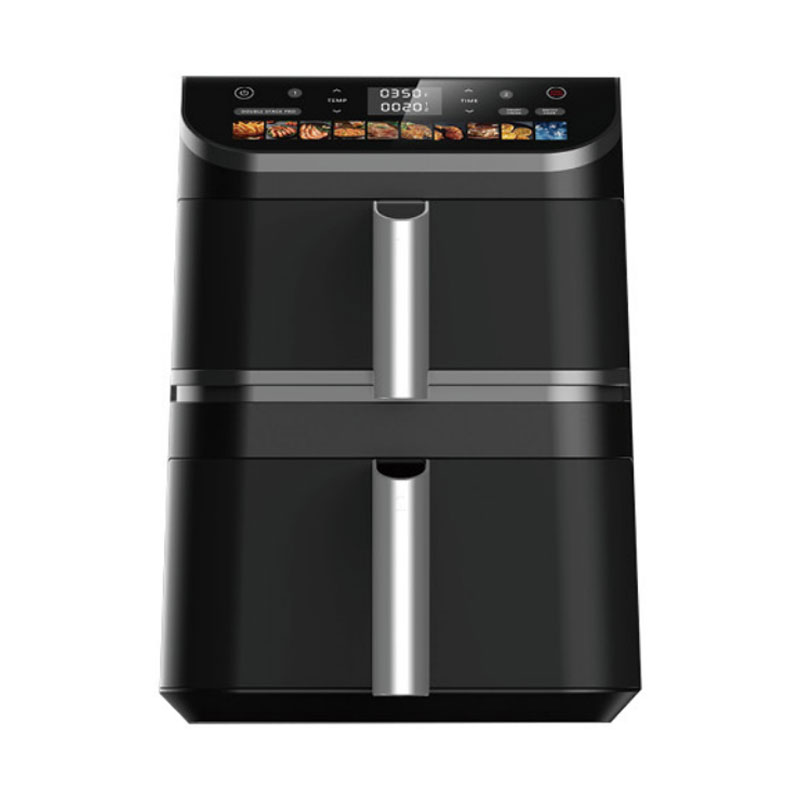
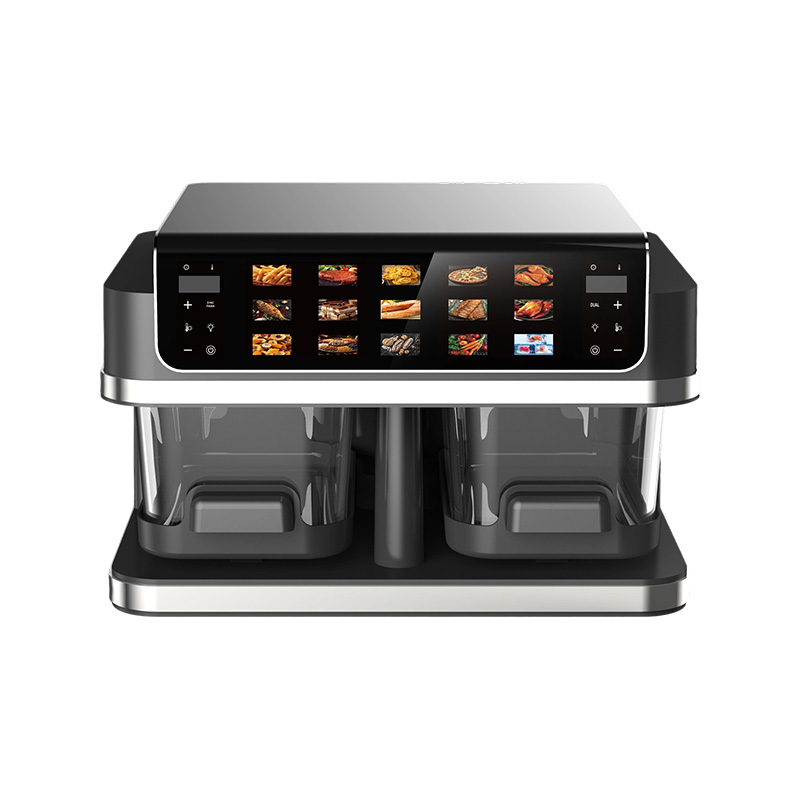
Mixed loads are the harder problem. Carrots want sixteen minutes, zucchini wants eleven, and a single basket forces a compromise neither vegetable enjoys. A dual-zone machine with two independently controlled baskets removes that compromise:
Run carrots at 380°F on one side while zucchini finishes at 400°F on the other, then combine them in a warm bowl. Failing that, start the denser vegetable first and add the tender one for the final stretch, an approach that works in any basket.
Oil, Coating, and Seasoning at High Heat
Choose a neutral oil with a smoke point above 400°F: avocado, peanut, sunflower, canola, or a light olive oil. Extra-virgin olive oil turns bitter once it smokes, which happens easily when a few drops pool on the basket floor. Skip aerosol cooking sprays as well, since the lecithin in most of them builds up on nonstick surfaces and dulls the coating over time.
Starch is the quiet trick behind crisp results. A tablespoon of cornstarch or rice flour per pound, tossed with the oil, forms a thin shell that browns and holds seasoning. Garlic powder, paprika, and dried herbs burn at 400°F, so add them in the last two minutes or bloom them in the oil first. Cheese belongs in the final two or three minutes only.
Worth remembering. One teaspoon of oil per pound sounds skimpy, and it is. That is why it should be tossed rather than poured — a thin, even film on forty pieces of broccoli browns better than a heavy coat on ten.
Chips, Dehydrating, and the Recipes That Run Long
Vegetable chips follow different rules: one-eighth-inch slices, a light oil film, 300–325°F, and twelve to twenty minutes with a check from minute twelve onward. Thin slices go from pale to burnt in about a minute, so stay nearby. Beets, parsnips, sweet potato, and carrot rounds all work well.
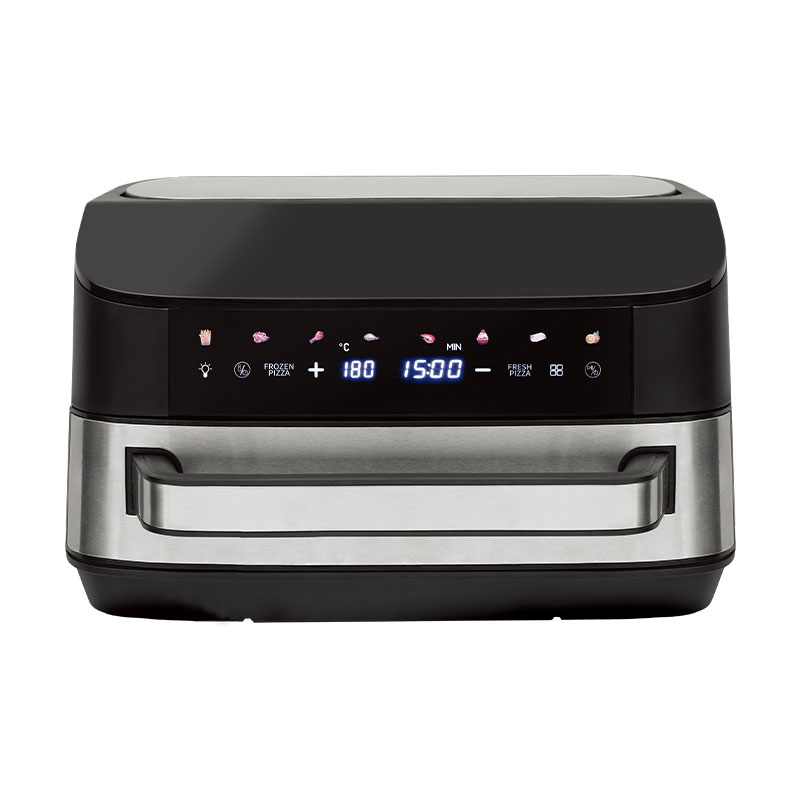
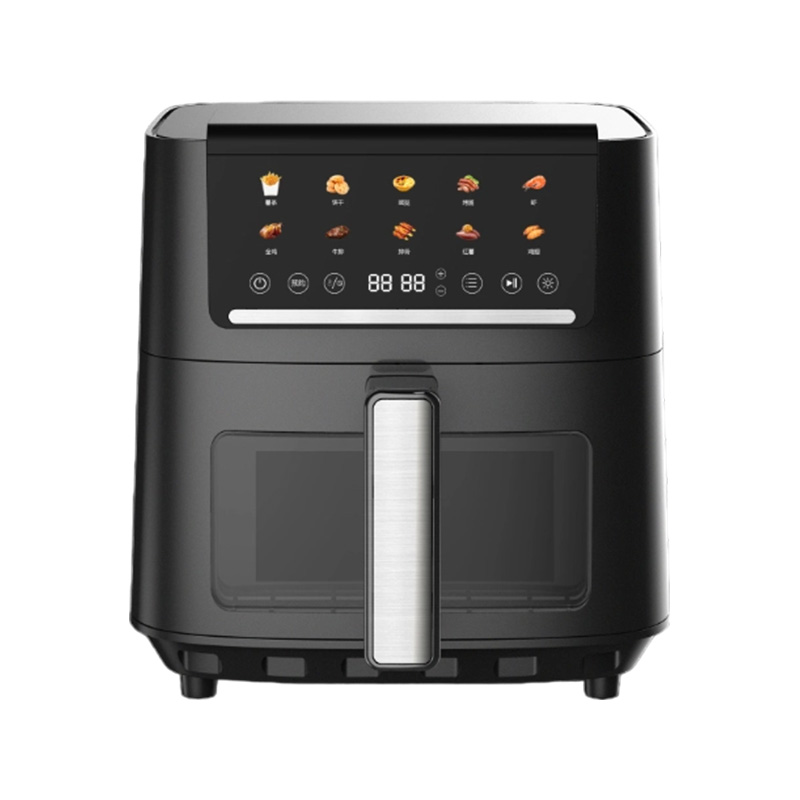
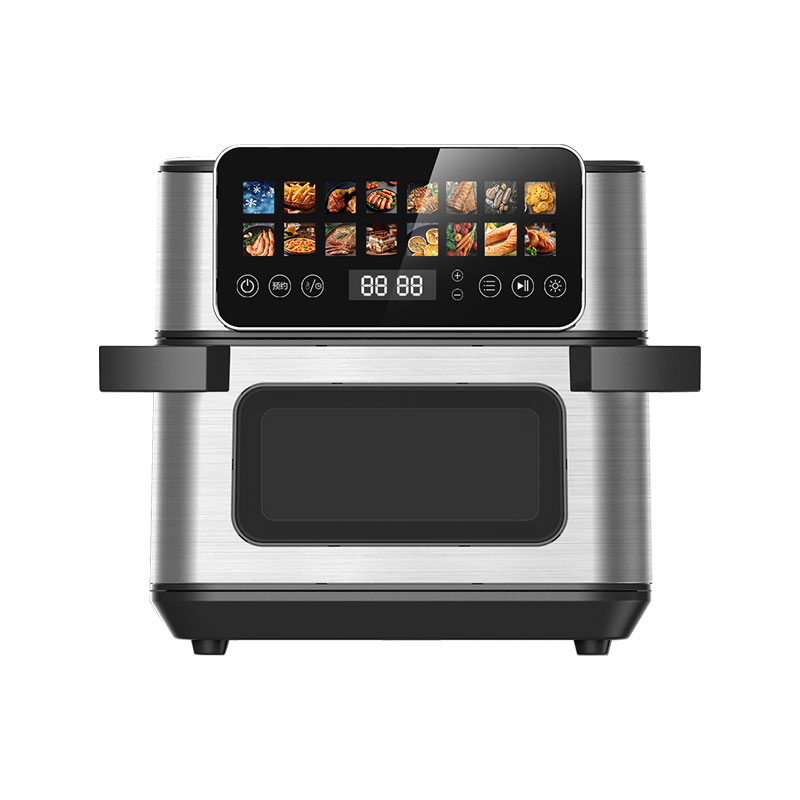
Low temperatures and long times are also what make dried vegetable snacks possible. Mushrooms, cherry tomatoes, and thin beet slices need 130–160°F for several hours, which is beyond what a basic machine offers. A unit built with a combined dehydrating mode is the practical answer, and this overview of the dehydrator function combo air fryer explains how the setting behaves in use.
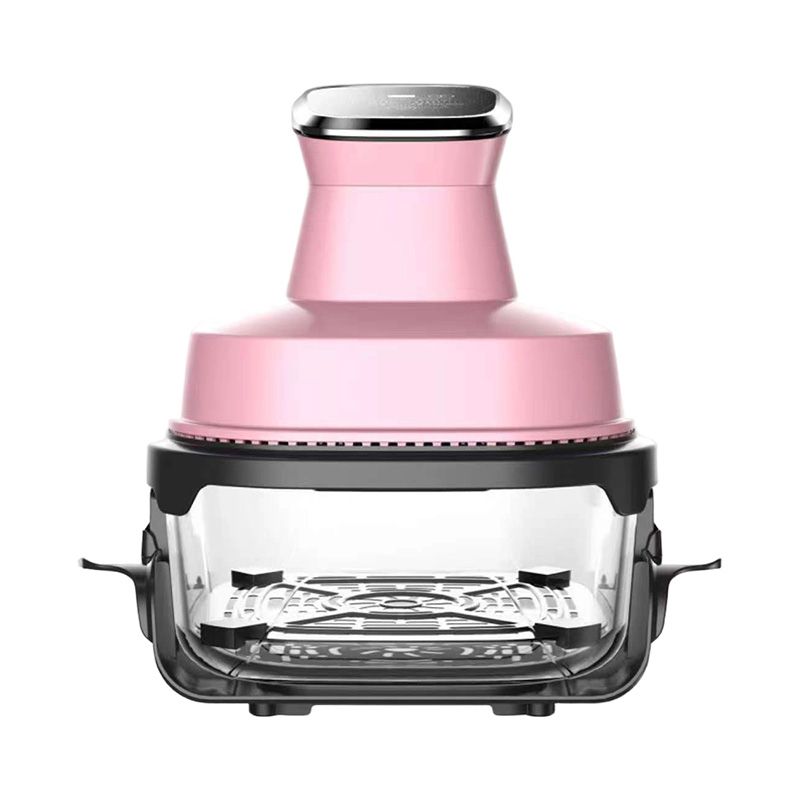
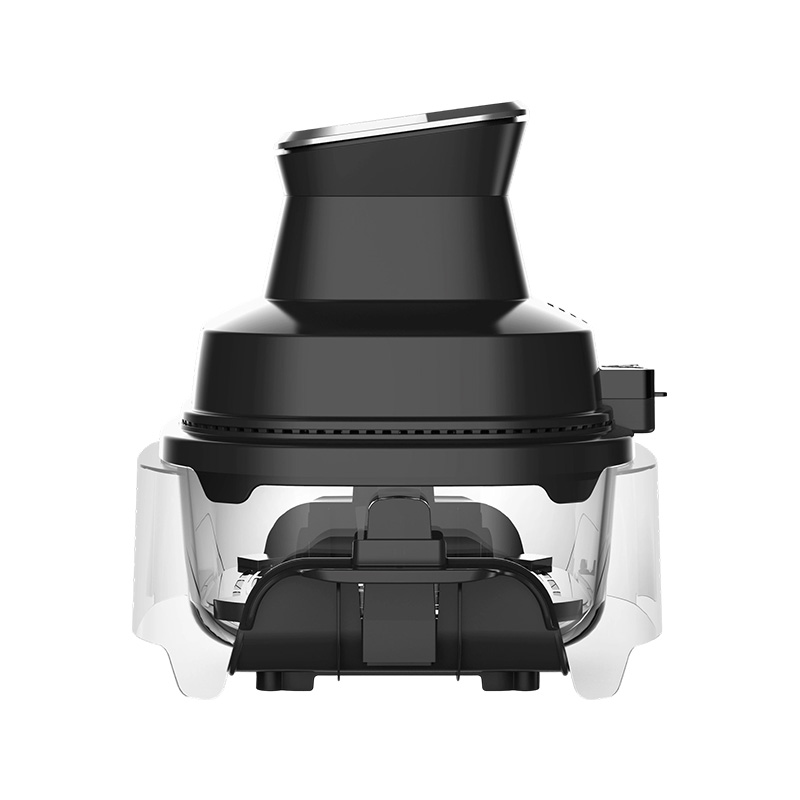
When chips are the goal and volume matters, a stacked design doubles the yield without doubling the time:
Two 4.5-litre compartments running at the same temperature will dry a full tray of kale chips evenly, provided you swap the trays at the halfway point.
Troubleshooting: Sticking, Smoke, and Grey Results
Almost every complaint lands in one of four categories.
- Sticking. Usually a moisture or coating problem rather than a temperature one. Toss the vegetables lightly in oil, shake the basket at minute four before surfaces set, and use perforated parchment if the basket is older.
- Smoke. Oil pooling on the floor, residue from a previous meat batch, or a sugary marinade. Clean between batches and cut the oil back.
- Grey, soft results. Almost always crowding or wet vegetables, occasionally a cold basket.
- Burnt edges. Sugar-heavy vegetables such as beets, carrots, and onions brown quickly at 400°F. Drop to 375°F and shake more often.
If pieces tear when you shake them, the surface is still wet or the nonstick layer has worn thin. This guide to preventing food from sticking to the air fryer basket covers both cases.
Do not do this. Never line the whole basket with foil or a solid sheet of parchment. It blocks the airflow the machine depends on, and whatever sits underneath will steam instead of crisp.
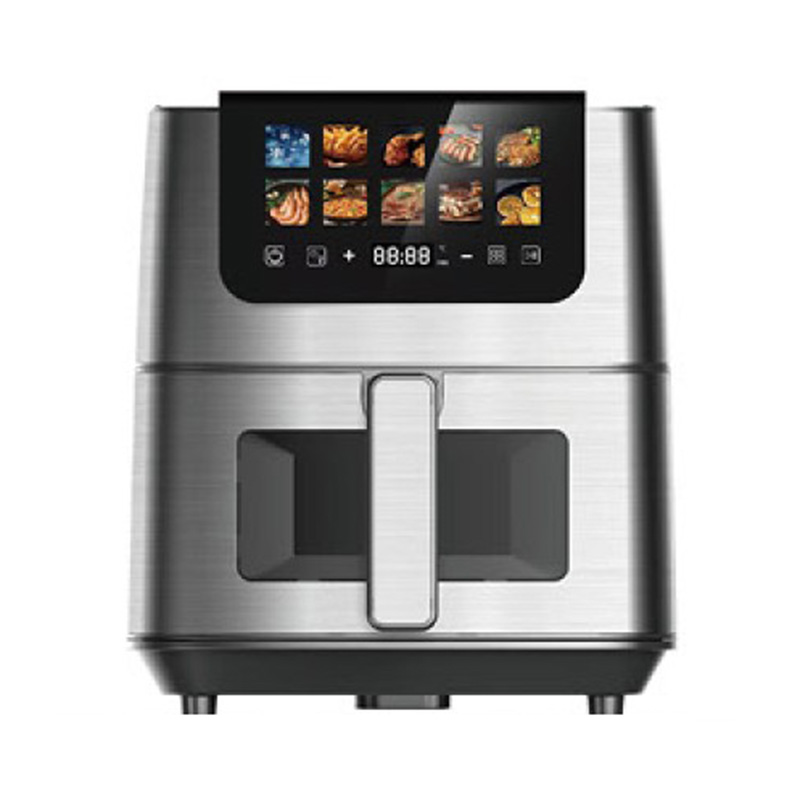
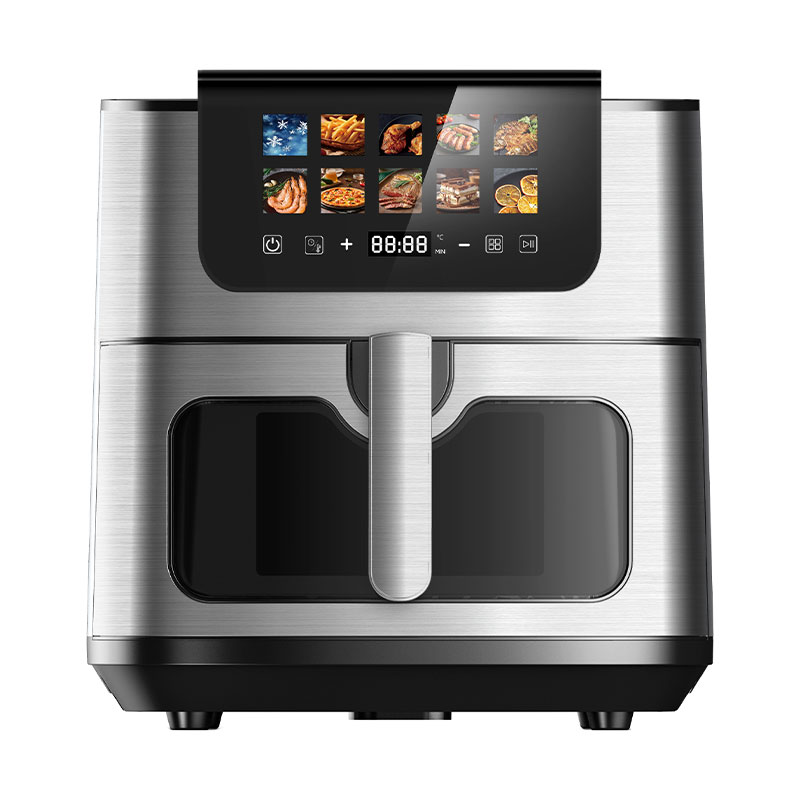
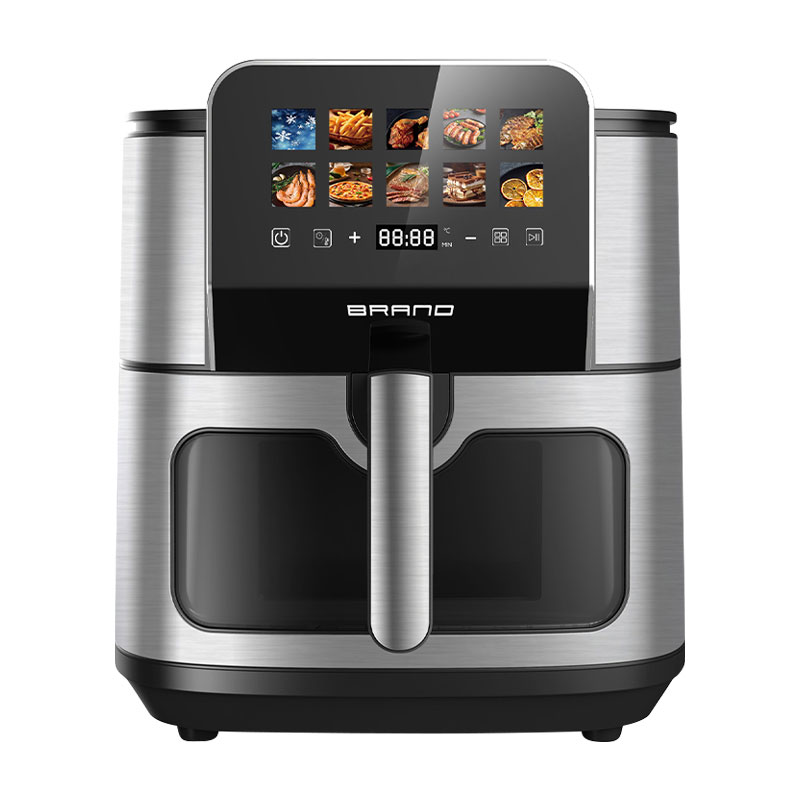
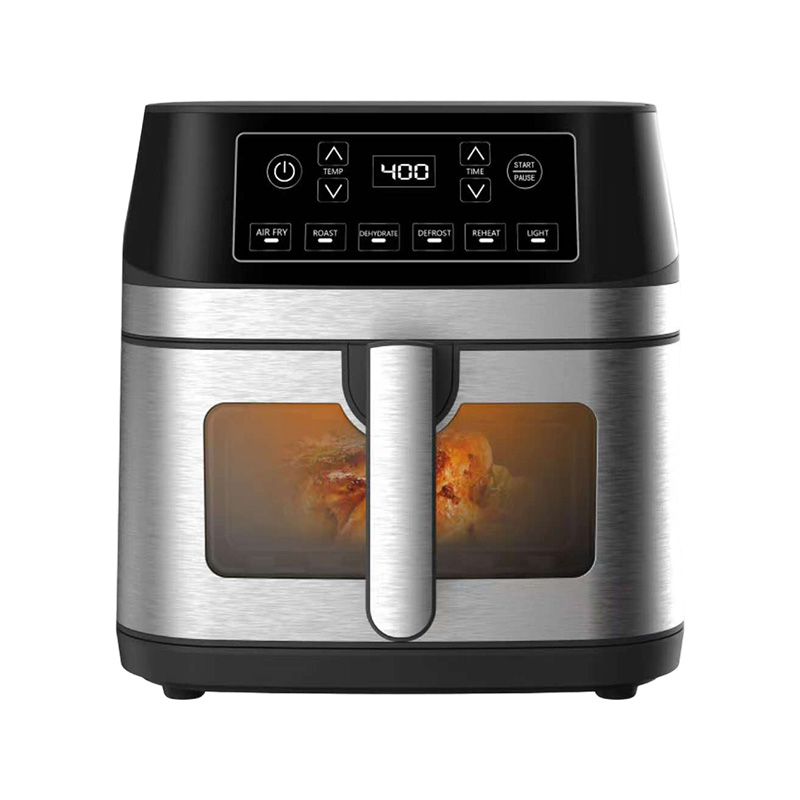
Browning is easier to judge through a window than by pulling the basket out every three minutes, which costs heat each time. If that sounds familiar, a model with a visual window is worth considering:
Cleaning Between Batches Is Not Optional
Residue on the basket and around the heating element is the most common source of smoke and stale flavour. Let the basket cool for five minutes, then wash it with warm water, mild soap, and a soft sponge; abrasive pads strip the coating that lets vegetables release cleanly. Confirm your basket and racks are rated for the dishwasher before committing them to a hot cycle, and dry everything fully, because trapped water turns to steam the moment the element heats up.
The rules hold across almost every vegetable you are likely to cook. Root vegetables at 380–400°F with a light starch coating, quick vegetables at 400°F with a thin oil film, tender ones at 350–375°F with attention in the last three minutes, and anything being dried left at low heat for as long as it takes.
Start with whatever is in the drawer tonight. Cut it evenly, dry it, oil it lightly, keep the layer thin, and shake halfway. Change one variable at a time across two or three batches, and you will end up with times that belong to your machine rather than to someone else's recipe.
The short version. The best air fryer vegetable recipes are not a list of dishes. They are four numbers — temperature, time, oil, load — and two habits: dry the surface, and never crowd the basket.