
 English
 中文简体
中文简体 Español
 English
 中文简体
中文简体 Español
Is a Glass Air Fryer Better?
A glass cooking chamber lets you watch every color change and removes non-stick coatings from the equation. It also adds weight, stress risks, and a few surprises about cooking time. Here is the honest trade-off.
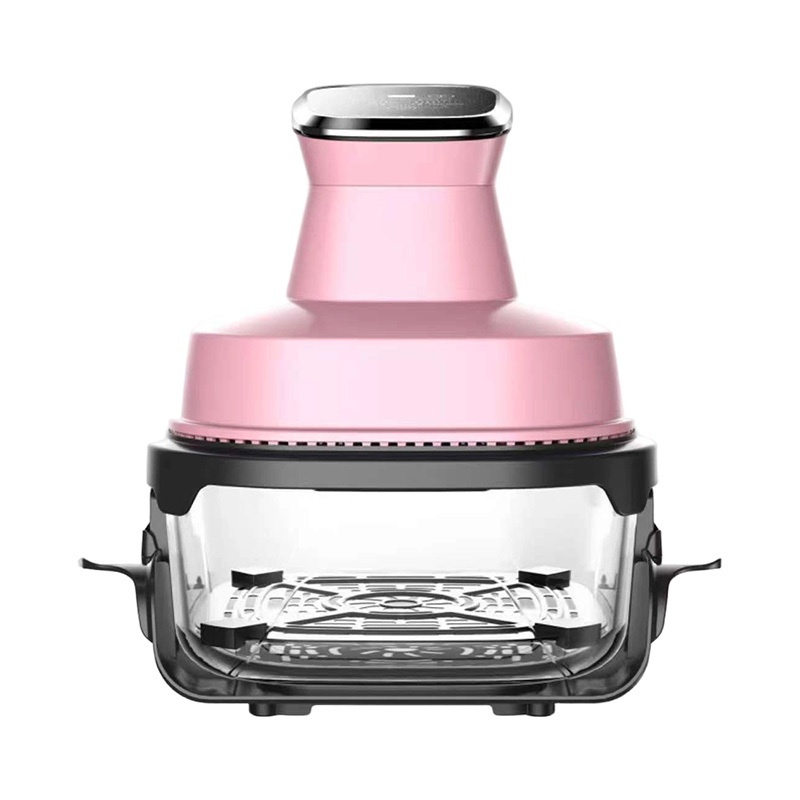
Ask about glass air fryers in any cooking community and you will find two confident groups. One says the glass basket changed the way they cook, because they can finally see the crust brown without pulling the tray out. The other says their glass model cracked, cooked unevenly, or held far less food than the box promised. Both groups are describing the same appliance through different priorities.
The short answer: a glass air fryer is better when visibility and a coating-free surface matter more than durability and usable capacity. It is the wrong choice when you want a robust, high-volume machine for daily family meals. What follows is the reasoning behind that verdict, including the details most product pages leave out.
What a glass air fryer genuinely does better
The claimed benefits are real, but narrower than the marketing suggests. Four of them hold up in daily use.
- Visibility during cooking. You watch browning and bubbling without opening the drawer, which avoids heat loss and makes turning food a decision rather than a guess.
- No non-stick coating where the food sits. The cooking surface is bare glass, so scratched PTFE and peeling coatings are removed from the conversation entirely.
- Cleaning you can verify. Grease and baked-on residue are visible on glass, unlike the old oil that can hide in a metal basket. Most glass bowls tolerate dishwashing well.
- One-bowl serving. Several glass models double as serving bowls, a real convenience for small households.
From the manufacturing side, glass gained ground because these benefits are honest. But transparency also shows an appliance's thermal weaknesses; when heater placement is wrong, the food reveals it in every batch.
Where glass starts to cost you
The trade-offs appear in daily use rather than on the spec sheet, and they are why I would steer some households away from glass entirely.
- Weight and handling. A thick glass bowl is the heaviest basket in the category, and lifting it hot, carrying it to the sink, and washing it one-handed is where most breakage happens.
- Thermal shock. Glass that is hot and meets a cold, wet, or stone surface can crack. Good glass survives longer; cheap glass can fail the first time it happens.
- A real capacity gap. Glass walls are thick, so a nominal six-quart glass model often holds the same food as a four-and-a-half-quart conventional basket.
- Slow heat recovery. Glass conducts heat slowly and stores little of it. Every time you open the chamber, temperature drops further and takes longer to recover, which stretches large-batch cooking times.
- Shallow chambers in flip-lid designs. When the heating element sits in the lid, vertical space below it is limited. Whole chickens and tall casseroles are tight.
Treat a hot glass bowl like hot glass bakeware: no cold water, no cold stone countertop, no sudden contact with a wet surface. Let it cool on a dry rack.
Budget glass air fryers are where the category gets risky. Some designs mount the heater close to the glass and rely on thin walls to handle the stress. If a product page does not state the glass type, treat that as a warning sign, not a detail to skip.
Glass basket vs. coated basket vs. stainless steel basket
Comparing the three common basket types on the criteria that actually matter makes the decision visible.
| Aspect | Glass basket | Non-stick coated basket | Stainless steel basket |
|---|---|---|---|
| Visibility of food | Full transparency | None during cooking | None during cooking |
| Cooking surface | Untreated glass | PTFE or ceramic coating | Bare stainless steel |
| Weight | Heaviest | Moderate | Moderate |
| Breakage risk | Real — drops and thermal shock | Low | Low |
| Cleaning | Dishwasher-safe if handled carefully | Coating-sensitive; avoid abrasives | Dishwasher-safe; sticky food clings |
| Heat recovery | Slowest | Moderate | Fastest |
| Typical price | Highest | Low to moderate | Moderate |
Glass wins exactly one clear column — visibility. On everything else, it asks you to accept a compromise, and the capacity difference is usually the surprise. Measure the usable interior before comparing prices.
What to check before you buy a glass air fryer
Six checks separate a glass air fryer you will like from one you will regret. Run through them in this order.
- Confirm the glass type. Borosilicate glass handles sudden temperature changes far better than tempered soda-lime glass. If the listing does not say, ask before buying.
- Measure usable capacity. Ignore the nominal quart rating and measure the space below the heating element.
- Check the heater position. Lid-mounted elements with tight clearance create hot spots and accelerate thermal stress.
- Verify what is dishwasher-safe. The glass bowl usually is; the lid, motor, and digital panel almost never are.
- Preheat every time. Glass reaches a stable temperature more slowly than metal, so skipping preheat produces uneven browning.
- Look at the base width. A tall glass appliance can be unstable when the bowl is full; choose a wide footprint with non-slip feet.
A practical spec standard for a durable glass air fryer: borosilicate glass around 3 mm wall thickness, a fully detachable lid, and glass on every surface that touches food, including the bottom of the bowl.
The alternatives that solve the same concern
If the purchase is driven by one specific worry — you want to watch the food, or you do not want a coated interior — you can solve that exact concern without the trade-offs.
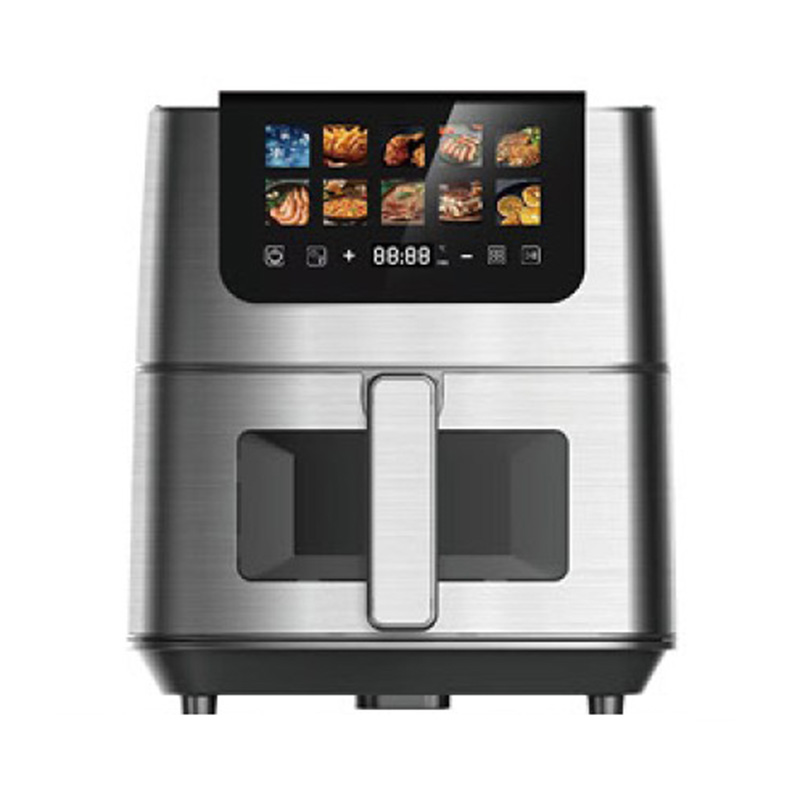
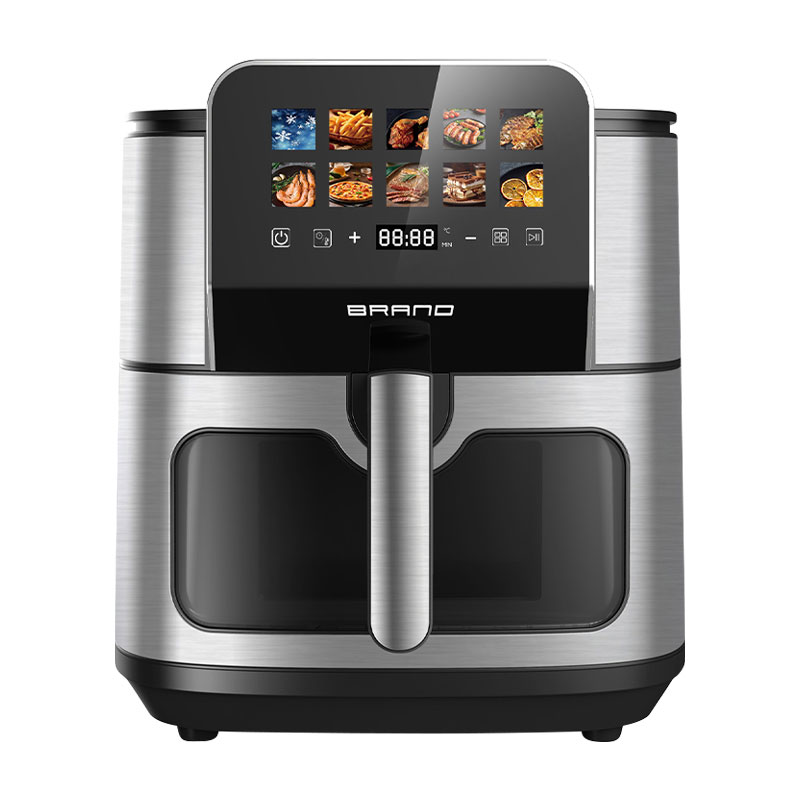
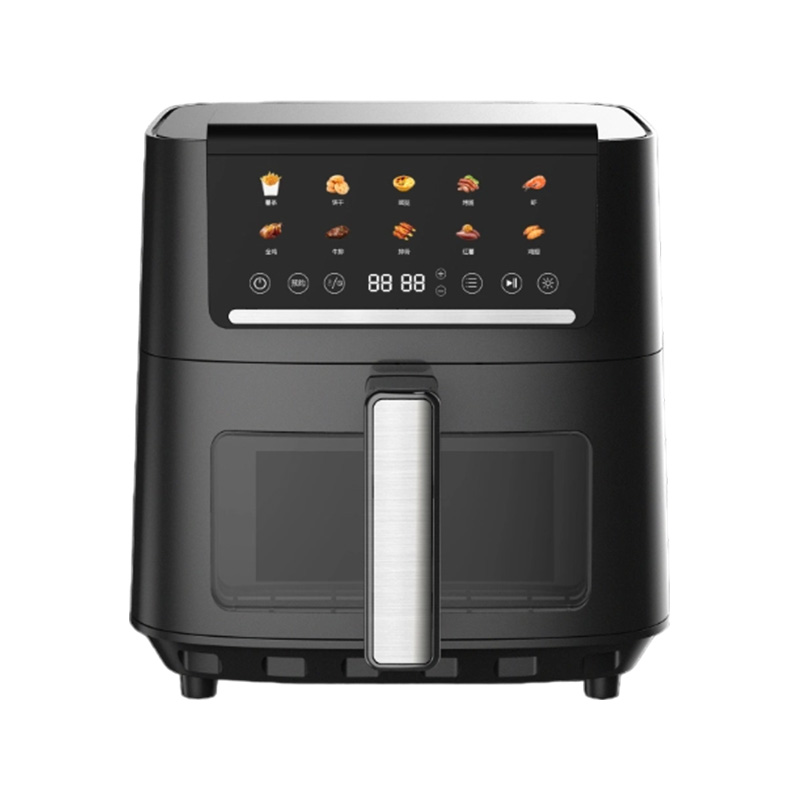
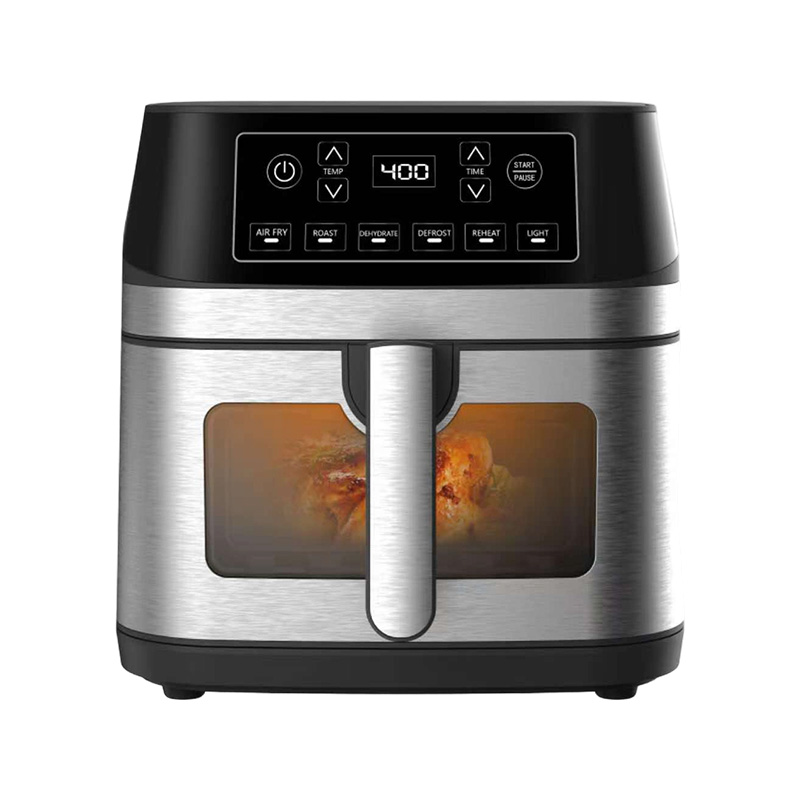
For visibility, a transparent window air fryer provides the same visual check, with a tempered-glass viewing area and a metal basket that keeps durability, heat retention, and capacity on your side.
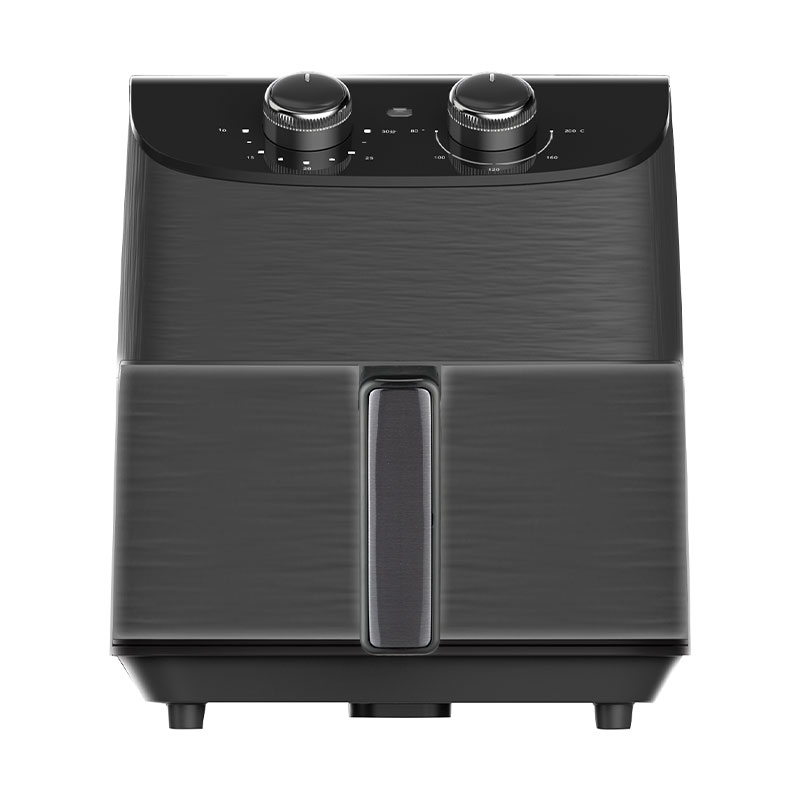 6L Mechanic Air Fryer with Transparent Viewing WindowThis 1500W air fryer features a tempered-glass window and metal basket for visible cooking, with a ceramic-coated interior option that offers a PTFE-free surface for easy food release.View Product →
For the coating concern, ceramic-coated interiors give a PTFE-free surface that releases food easily and appeals to buyers who want to avoid traditional non-stick chemistry altogether. For many people, ceramic answers the same concern that first pushed them toward glass.
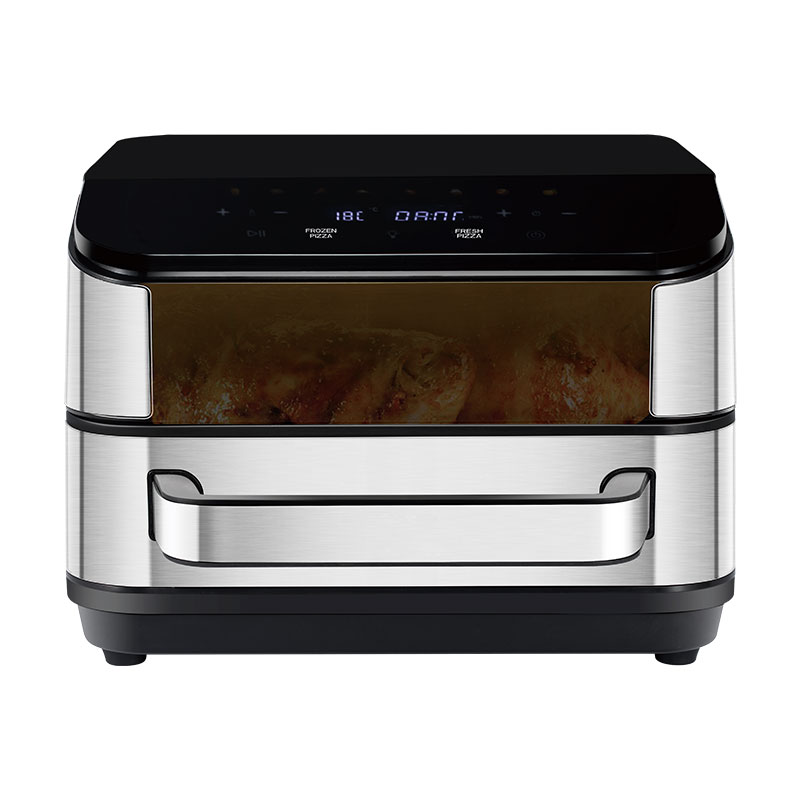
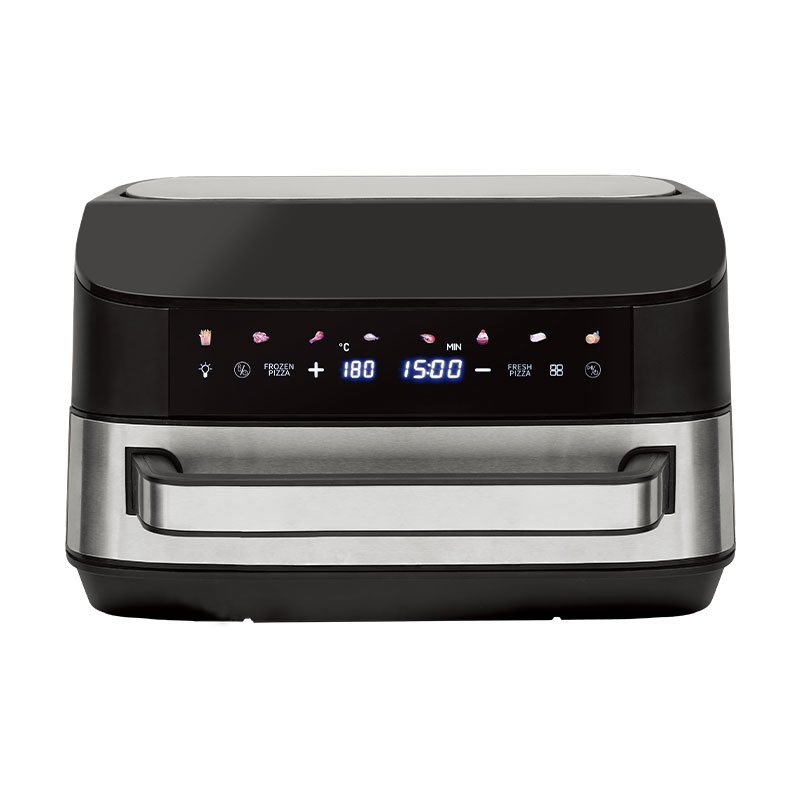
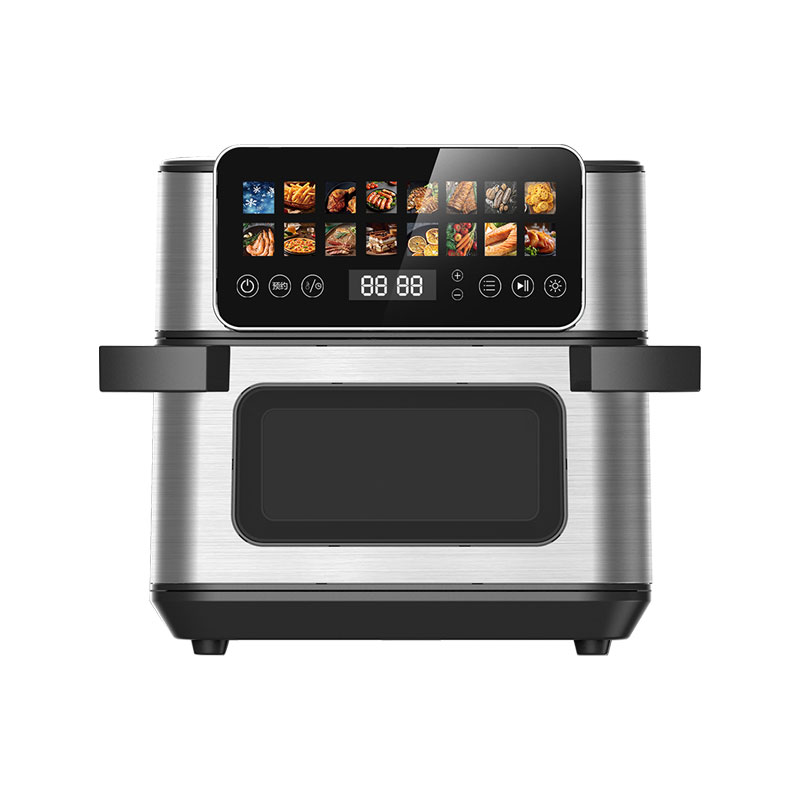
If the real appeal is watching a whole meal cook — a chicken, a tray of vegetables, a batch of fries — a visible air oven offers the same view with a larger chamber and better heat recovery. When we manufacture this type of appliance, the transparent door is the feature that wins people over first.
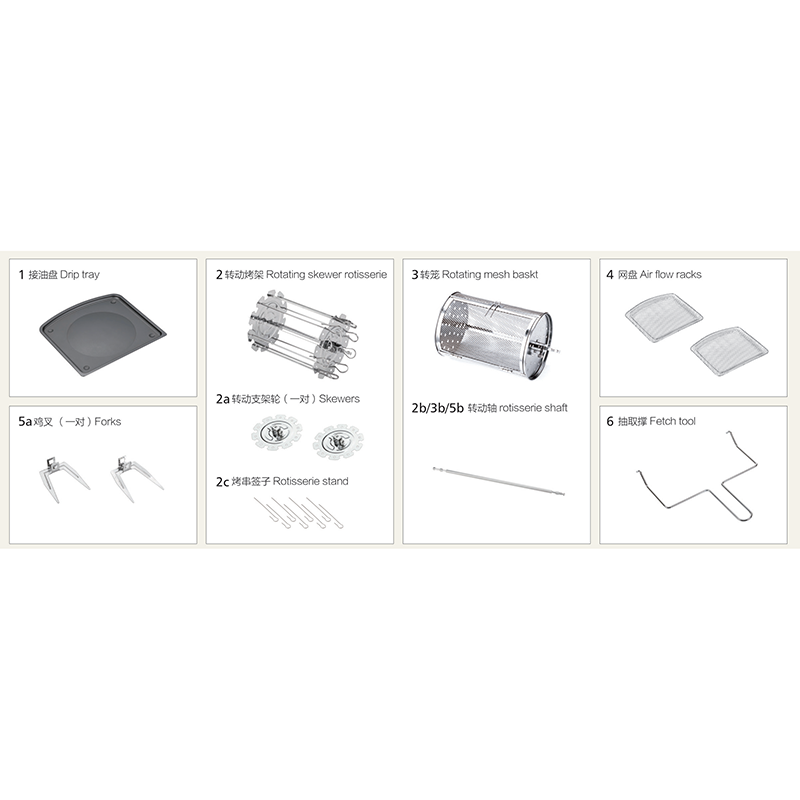 12L Front LCD Touch Visible Multi-Function Air OvenWith a 1700W heating system and 12L capacity, this air oven provides a large visible chamber through a high borosilicate glass door, plus preset menus and rotisserie functions for versatile meals.View Product →
The bottom line
A glass air fryer is not objectively better. It is better for people who value seeing their food and knowing exactly what it touches — and who can accept a heavier, slower-recovering appliance in return.
If you cook for one or two, want a coating-free surface, and will handle the bowl with the same care you give good bakeware, a glass air fryer can be a genuine upgrade. If you cook for a family, use the appliance daily, or need the largest capacity in the smallest footprint, a conventional air fryer is the safer choice.
The quick verdict: glass wins on visibility and surface purity. Metal wins on durability, capacity, and heat recovery. Choose the trade you will not regret at 7 p.m. on a busy weeknight.
The glass air fryer trend did one useful thing: it focused attention on two questions every buyer should ask, regardless of basket material — what is the food touching, and how clearly can you see it change. Transparent-window air fryers and ceramic-coated interiors answer both with far fewer compromises.