
 English
 中文简体
中文简体 Español
 English
 中文简体
中文简体 Español
An importer evaluating air fryers at a trade show will see plenty of touch screen models, but the samples that arrive later can behave very differently in the kitchen. Some heat up quickly and cook evenly; others leave pale spots and respond slowly to a tap. A touch screen control circulation air fryer is only as good as the two systems behind the panel: a responsive digital interface and a reliable hot air circulation design. This guide covers what these terms actually mean, which specifications to compare, and what to confirm with a manufacturer before you commit to an order.
What a Touch Screen Control Circulation Air Fryer Does
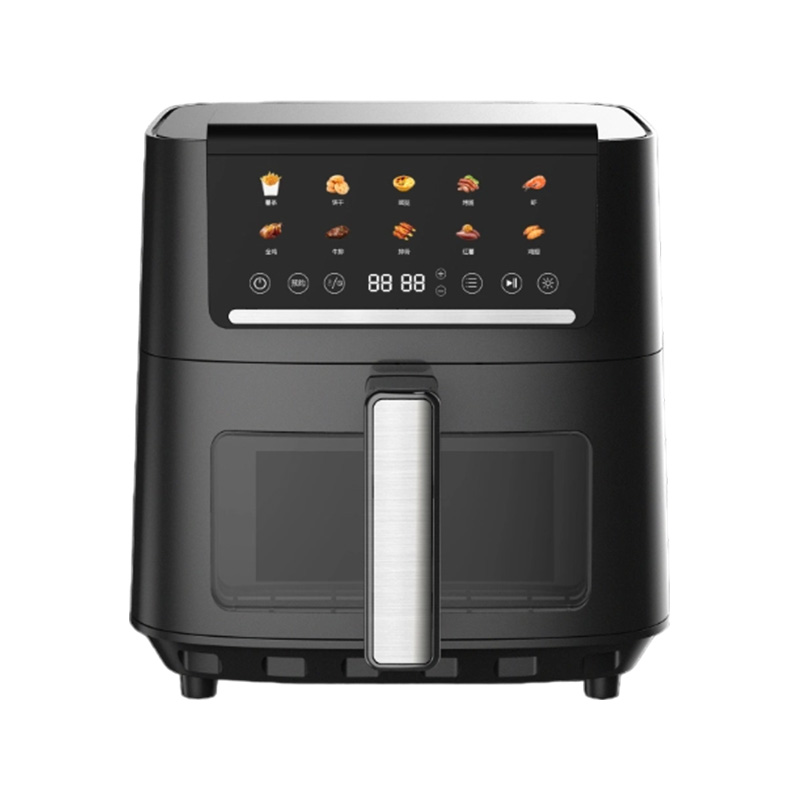
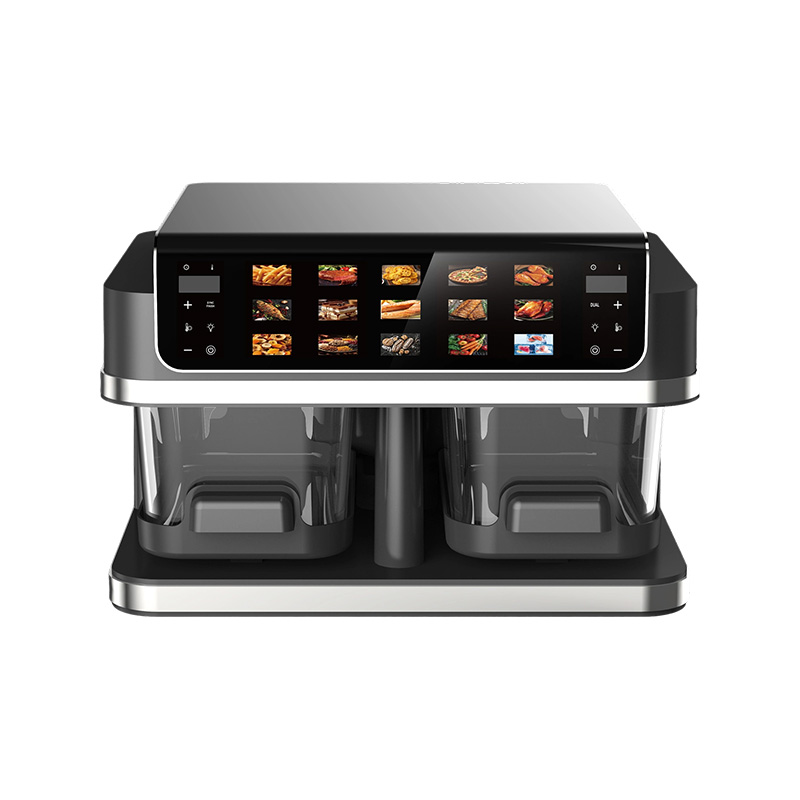
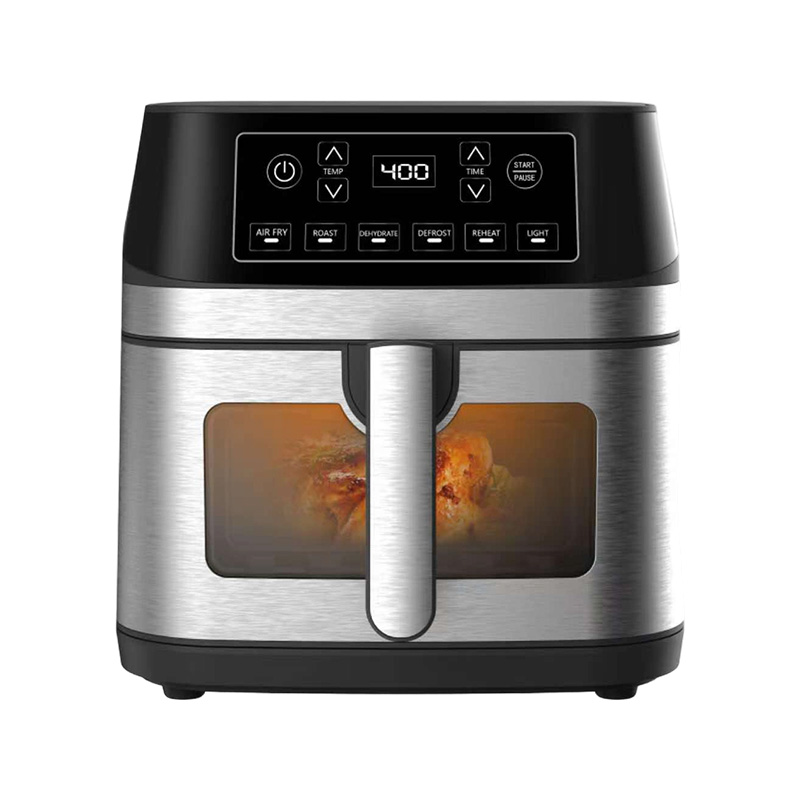
A touch screen control circulation air fryer combines a fan-driven hot air cooking system with a digital touch panel. The heating element warms the air, the fan circulates it quickly around the food, and the touch screen gives the user precise control over temperature, time, and cooking modes. Because the controls are digital, the appliance can store multiple presets and maintain a more stable cavity temperature than a mechanical thermostat can.
For the end user, that combination is simple to live with. Instead of turning a dial and consulting a printed temperature chart, they tap a preset or adjust the temperature directly on the glass panel. The display shows the current setting and the remaining time clearly. For a buyer, the more valuable benefit is consistency. A well-calibrated digital thermostat produces the same result batch after batch, which means fewer complaints and a stronger reputation for the brand.
Touch Screen vs. Other Control Types
Touch panels are the defining feature of this air fryer category, yet they are not the only control option in the market. Knowing how they compare with digital buttons and mechanical knobs helps determine the right price point and user profile.
| Control Type | Precision | Ease of Use | Cleaning | Cost Direction |
|---|---|---|---|---|
| Touch screen | Digital, typically 1-degree steps | Simple after a short learning curve | Flat glass surface, easy to wipe clean | Higher |
| Digital buttons | Digital, precise | Straightforward but menu navigation can feel slower | Sealed buttons with small gaps | Medium |
| Mechanical knobs | Manual, less precise | Very easy for all age groups | Knob surfaces and shafts can trap grease | Lower |
The trade-off is practical. Mechanical knobs keep production costs low and operation simple, but they lack the precision and programmability that modern recipes expect. Digital buttons are dependable but look less modern. A touch screen control circulation air fryer costs more to build, yet it offers a clean surface, flexible presets, and the perceived quality of a higher-end appliance. The right choice depends on the customer profile and the target retail price.
How Air Circulation Affects Cooking Results
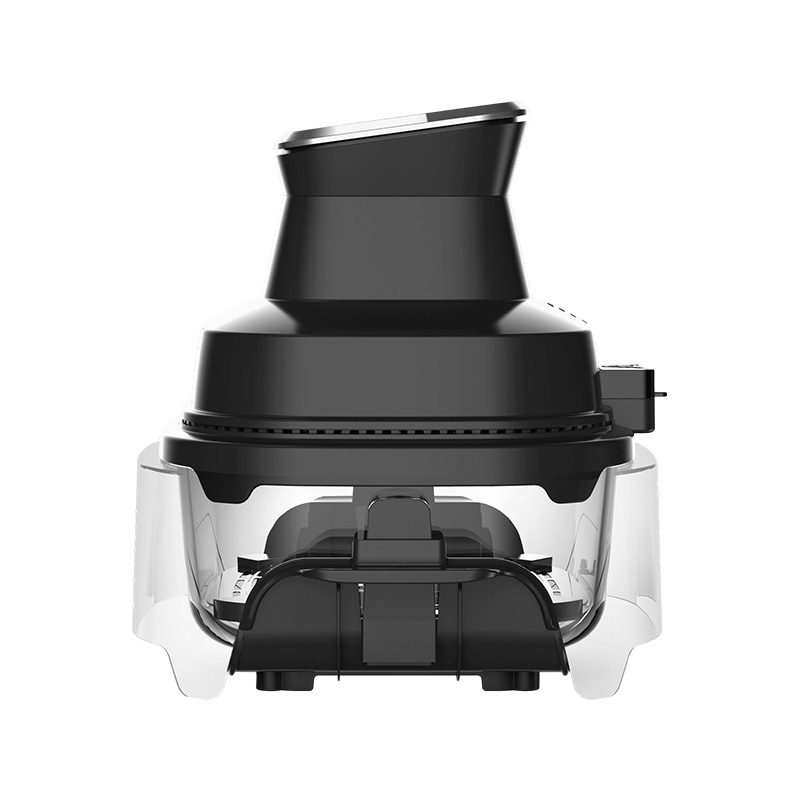
Air circulation is the part of the system that actually cooks the food. The fan pulls air across the heating element and pushes it into the cooking cavity at speed. Hot, dry air removes surface moisture, creating the crisp exterior associated with fried food while the inside cooks through. If the fan is undersized or the vents are poorly placed, some areas of the basket receive more heat than others. The result is uneven browning and longer cooking times.
The touch screen and the circulation system work together through temperature control. The digital controller reads the cavity temperature from a sensor and adjusts power to the heating element to keep the set point steady, even when the user pulls the basket out to shake the food. That steady environment is what makes recipes repeatable. When you evaluate a supplier, ask about the airflow path and temperature accuracy, not just the wattage. Models built around a rapid air circulation air fryer design principle tend to deliver more even results across different food types.
Key Specifications to Verify Before You Buy
These specifications form the baseline when comparing units from different factories. The numbers reveal whether the product is positioned as an entry-level model or a premium appliance, and they directly affect cooking performance.
| Specification | What to Check | Why It Matters |
|---|---|---|
| Temperature range | 80 to 200 degrees Celsius or wider | Supports dehydration, reheating, and gentle cooking at low settings |
| Capacity | 3.5 to 12 liters depending on the model | Larger baskets suit family portions and whole chicken cooking |
| Power rating | 1200 to 1800 watts | Higher wattage shortens preheat time and improves browning |
| Preset programs | 3 to 12 presets | More presets reduce the learning effort for new users |
| Food-contact materials | BPA-free plastic and safe non-stick coating | Required for direct food contact and easy cleaning |
| Safety certification | ETL, UL, CE, or other market-specific marks | Needed for retail distribution and import compliance |
Beyond the data sheet, verify quality in practice. A touch panel is useful only if the set temperature matches the actual heat inside the cavity. Ask whether the factory tests temperature accuracy and touch responsiveness on every unit, and confirm that baskets and trays are made from food-safe materials. These details separate a reliable touch screen control circulation air fryer from one that causes service calls and returns.
Production and Quality Considerations for Importers and Brands
Price and lead time are easy to compare; quality is harder to see from a quotation. Common problems in this category include unresponsive touch panels, drifting thermostats, and coating that wears out after a few months. A disciplined purchasing plan should include a pre-production sample, a mid-production inspection, and a final random check before shipment.
It also helps to work with a factory that controls its own production. A manufacturer with an established air fryer family understands tooling, safety certification, and packaging requirements better than a general-purpose vendor. Adding a smart touch screen air fryer to a retail line is safer when the supplier can demonstrate inspection records and process control. GSTAR, for example, operates its own plant and has produced small kitchen appliances for retail programs since 2009, which gives buyers a single point of responsibility for design, tooling, production, and quality control.
Touch Screen Circulation Air Fryers from a Verified Manufacturer
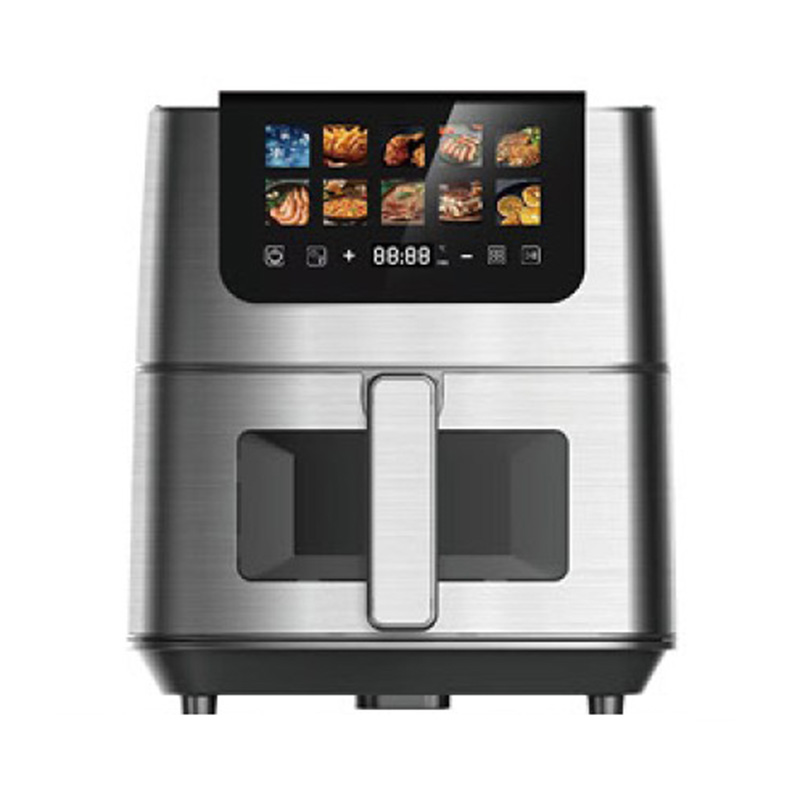
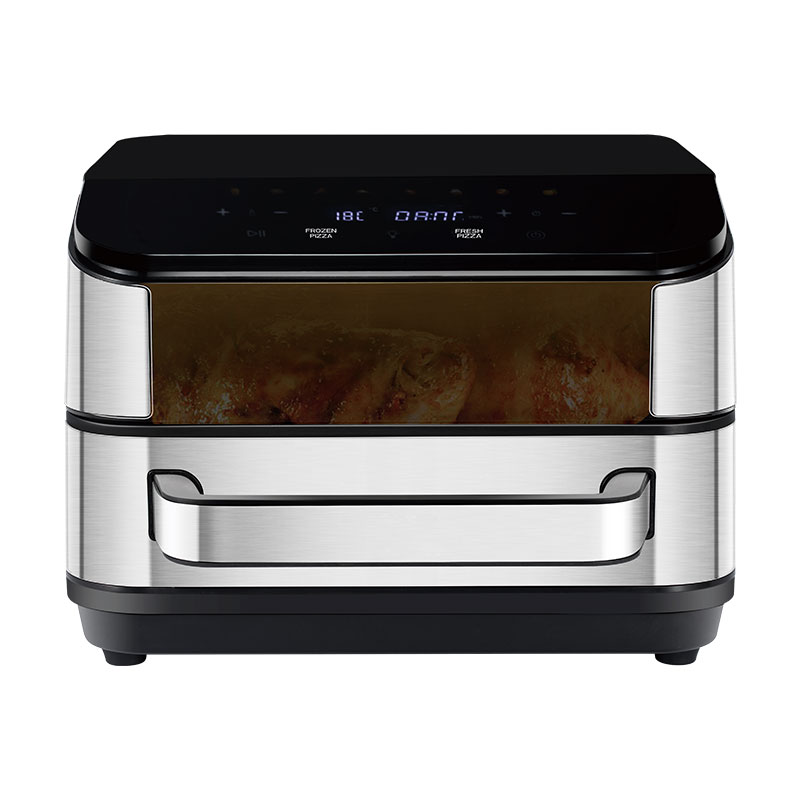
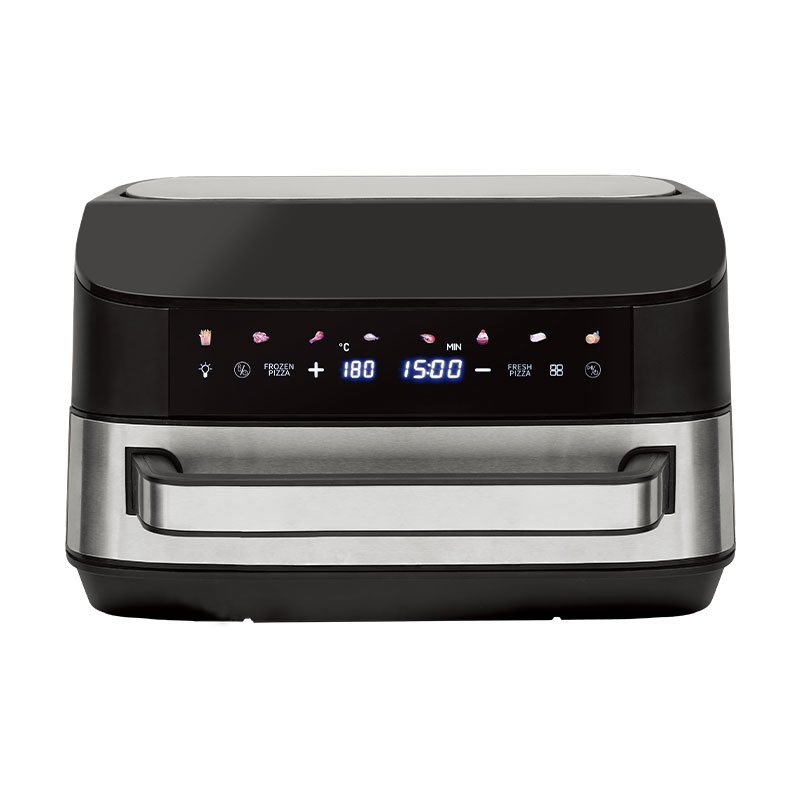
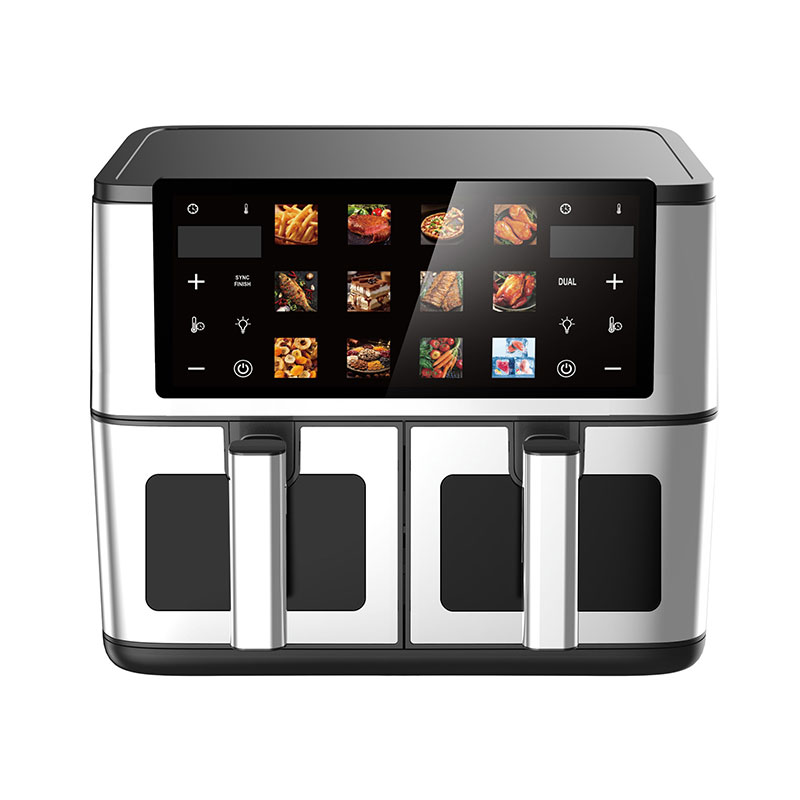
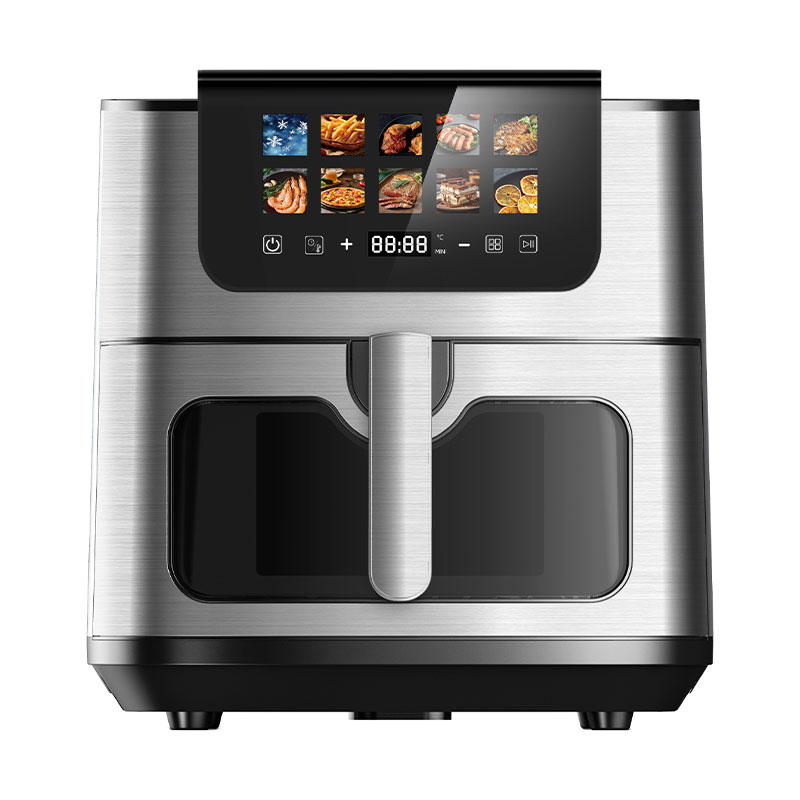
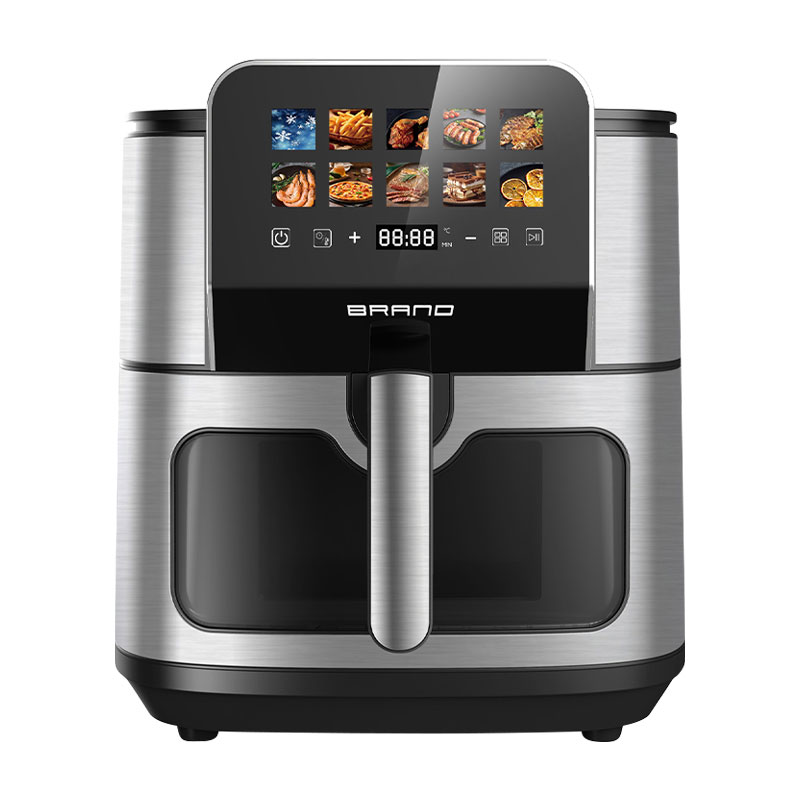
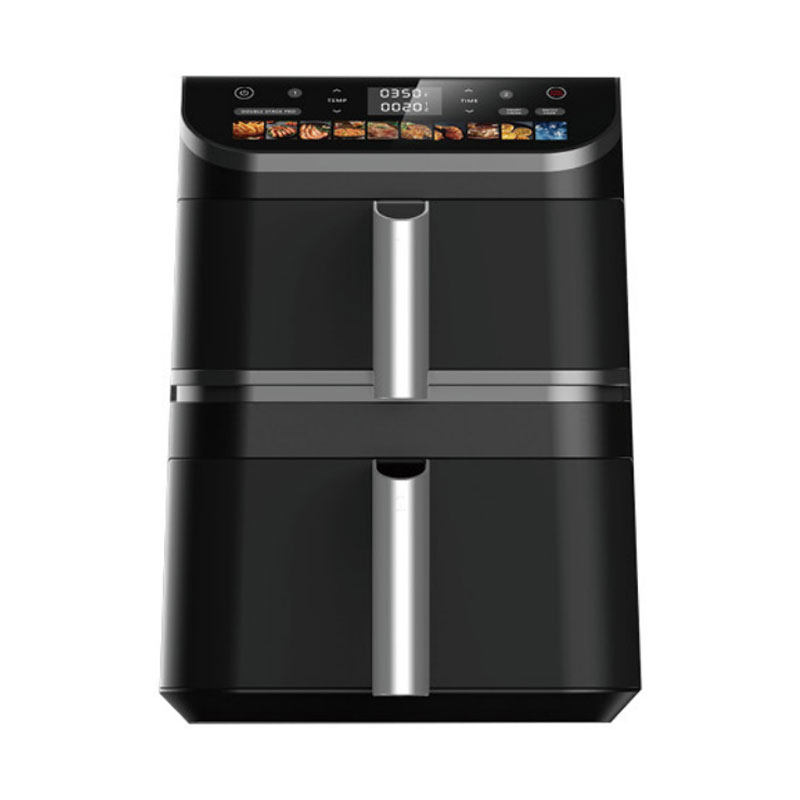
The GSTAR line includes several touch screen control circulation air fryer models, and three of them illustrate the available range of interfaces and capacities.
- The stainless steel opaque touch screen air fryer
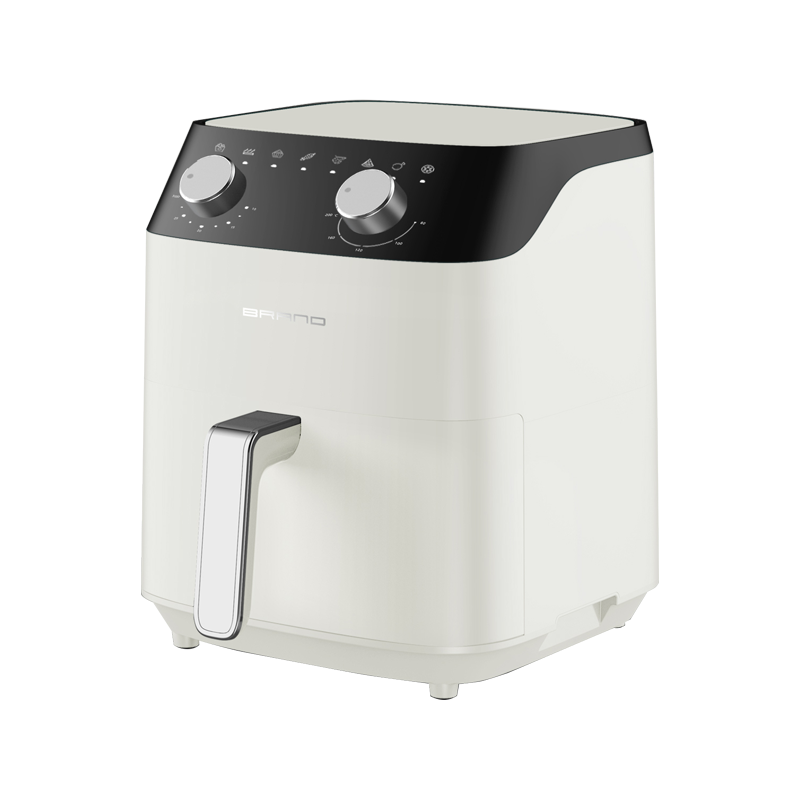 Custom Stainless steel opaque touch screen control square texture white air fryeCIXI GSTAR ELECTRIC APPLIANCE CO., LTD. is China Custom Stainless steel opaque touch screen control square texture white air fryer - (opa...View Product → pairs a square, textured white body with a dark glass panel, a combination that stands out in modern kitchen retail displays.
 - The touch screen air fryer with LCD display and knob adjustment
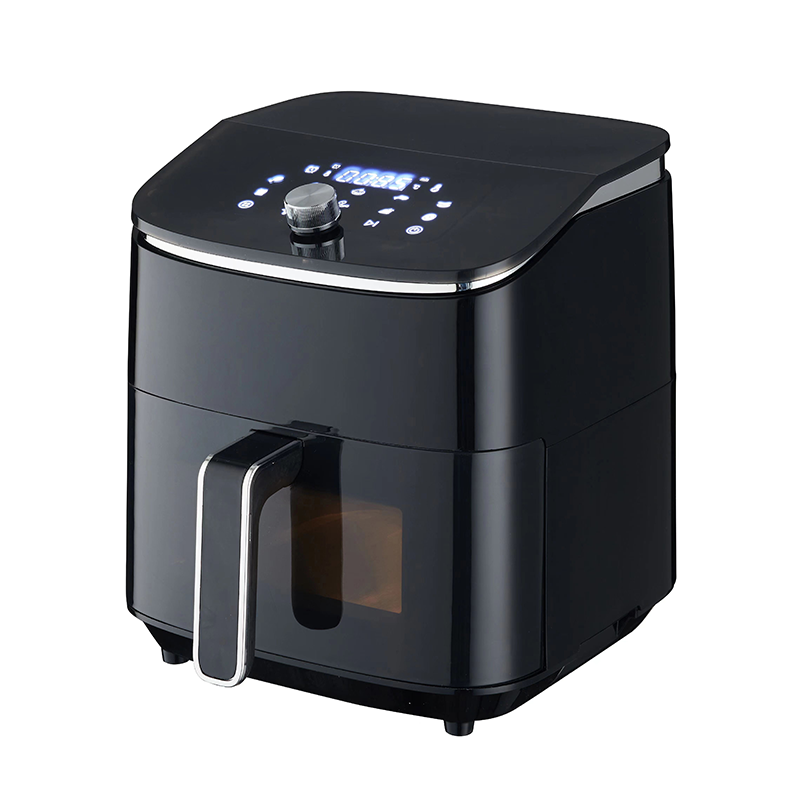 Custom Bevel single knob touch screen control knob adjustment LCD display visualCIXI GSTAR ELECTRIC APPLIANCE CO., LTD. is China Custom Bevel single knob touch screen control knob adjustment LCD display visual large c...View Product → combines digital presets with a physical knob, so users can switch between quick programs and manual temperature control.
 - The top LCD touch control large capacity air fryer
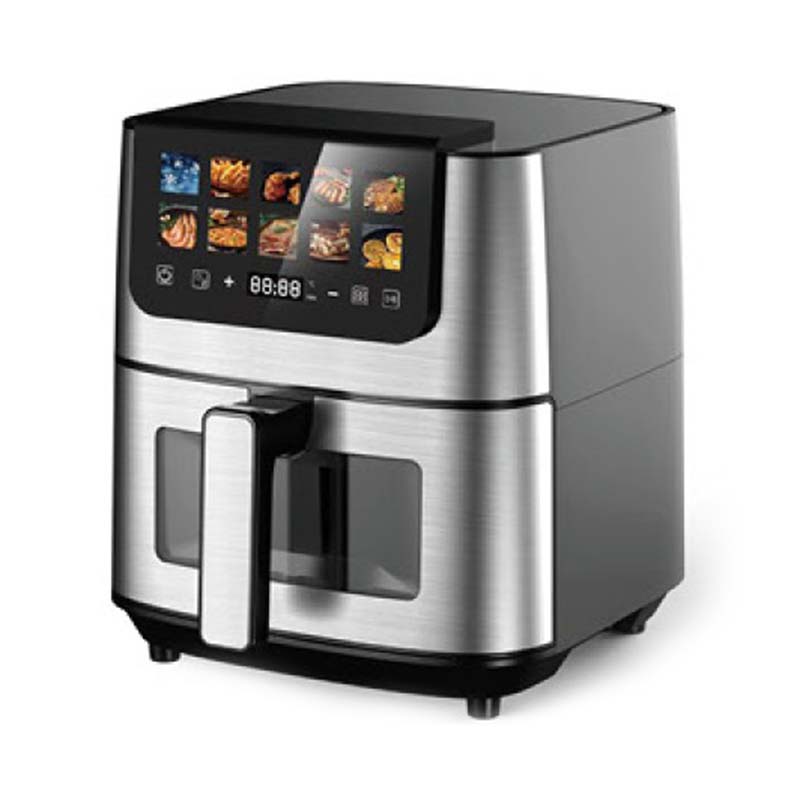 Custom Top LCD touch control large capacity invisible comfortable handle air fryCIXI GSTAR ELECTRIC APPLIANCE CO., LTD. is China Custom Top LCD touch control large capacity invisible comfortable handle air fryer Suppl...View Product → positions the panel above the basket, which is easier to read in busy kitchens and works well for larger family portions.
Because the company handles design, tooling, and production in its own facility, buyers can adapt the interface language, preset programs, packaging, and accessories without dealing with a long chain of third parties. That structure keeps the development cycle for a customized touch screen control circulation air fryer more manageable.
A touch screen control circulation air fryer must satisfy two expectations at once. On the outside, the touch panel needs to respond instantly and display clear information. Inside, the air circulation has to cook the food evenly while the thermostat holds the temperature steady. Buyers who verify both systems, rather than relying on product photos alone, are more likely to end up with a reliable product. Compare specifications, request samples, and check the factory's quality process before you order. That discipline turns an appealing feature set into an appliance that performs well in everyday kitchens.