
 English
 中文简体
中文简体 Español
 English
 中文简体
中文简体 Español
Kitchen Technology / Appliance Engineering
How Well Does an Air Fryer Regulate Temperature
to Avoid Overcooking or Burning?
A well-built air fryer can hold its set temperature within roughly five to fifteen degrees Fahrenheit of the target — tight enough to avoid burning most foods. Budget models swing much further. Here is what actually determines the difference.
The Answer
Most Air Fryers Regulate Temperature Reasonably Well, But Accuracy Varies by Model
In short, a well-built air fryer can hold its set temperature within a range of roughly 5 to 15 degrees Fahrenheit of the target, which is tight enough to avoid burning most foods and consistent enough to produce even, crispy results. However, budget models with basic on-off heating elements tend to swing further off target, sometimes overshooting by 20 degrees or more, which raises the risk of scorched edges or unevenly cooked centers. The quality of temperature regulation depends on three things: the type of thermostat or sensor used, the heating element's response speed, and how well the unit circulates hot air around the food.
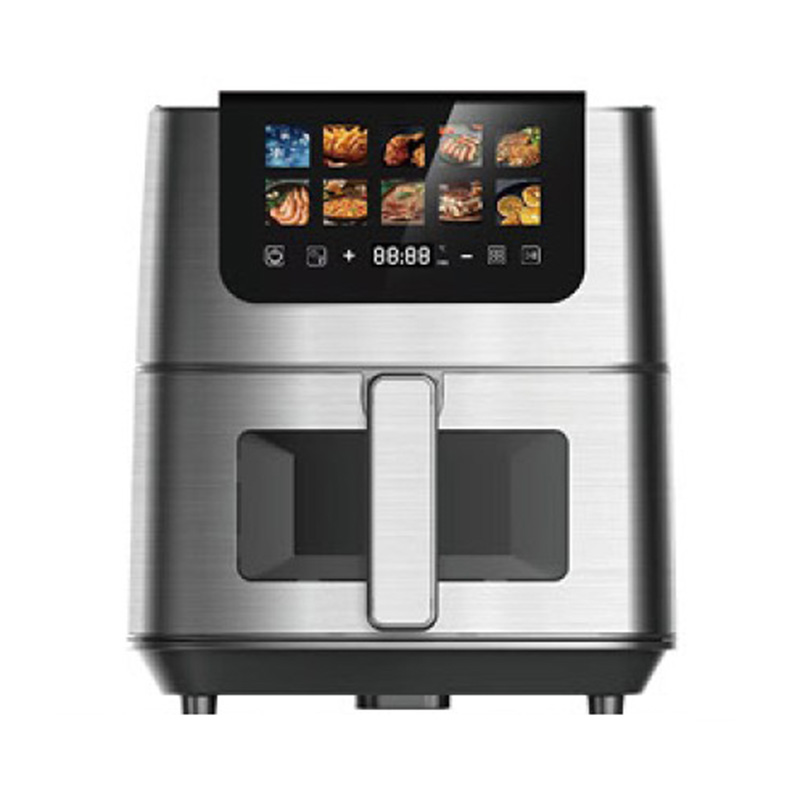
If you are shopping for a unit specifically to avoid overcooking or burning, the practical takeaway is this: look for models with digital temperature sensors, multiple heating cycles per minute, and airflow designs that eliminate hot spots. A dual basket air fryer with independent heating zones and a smart air fryer with sensor-based feedback loops are two categories worth prioritizing, and both are discussed in detail below.
The gap between the lowest and highest tiers can be as much as fifteen degrees Fahrenheit — a difference that correlates directly with scorched exteriors and undercooked centers.
The Mechanism
How Temperature Regulation Actually Works Inside an Air Fryer
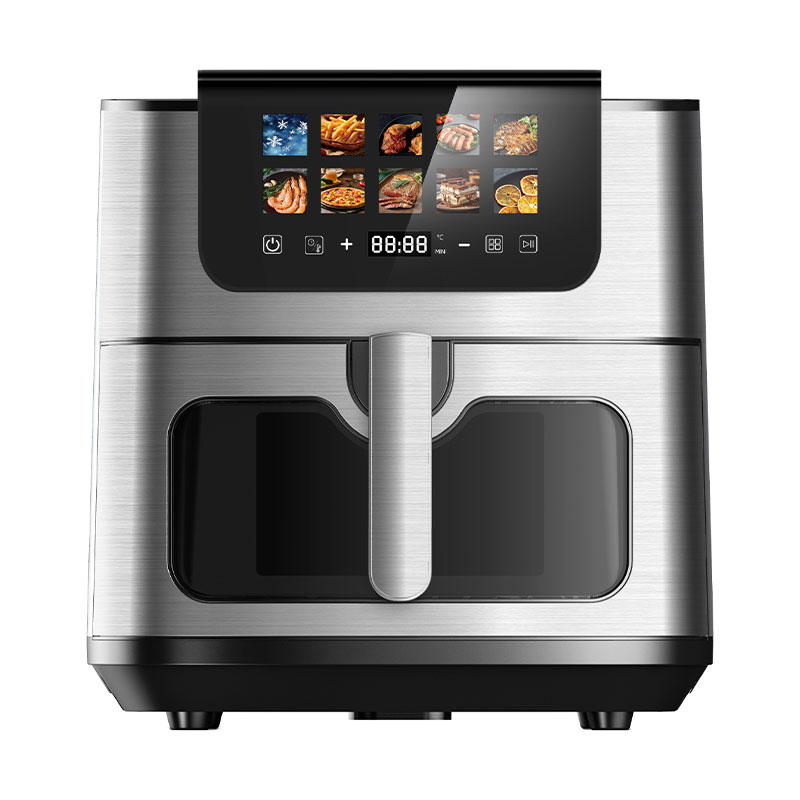
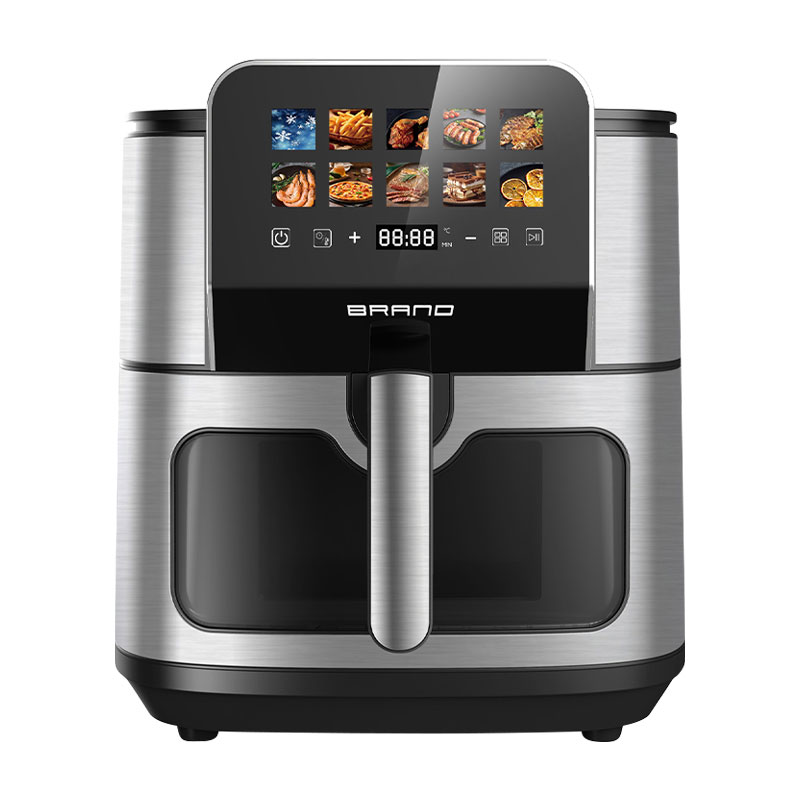
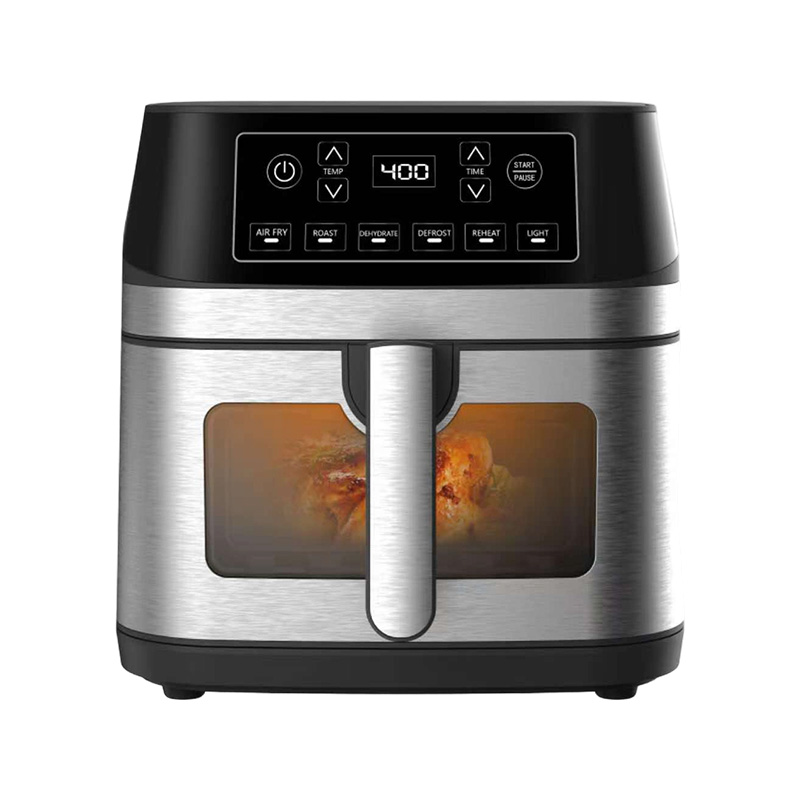
An air fryer regulates heat using a thermostat connected to the heating coil, paired with a fan that circulates hot air through the cooking chamber. When the internal air temperature drops below the set point, the thermostat signals the heating element to turn back on. When the temperature rises above the set point, the element shuts off. This on-off cycle repeats throughout the cooking process, and the frequency and precision of that cycle determine how stable the actual cooking temperature stays.
air fryer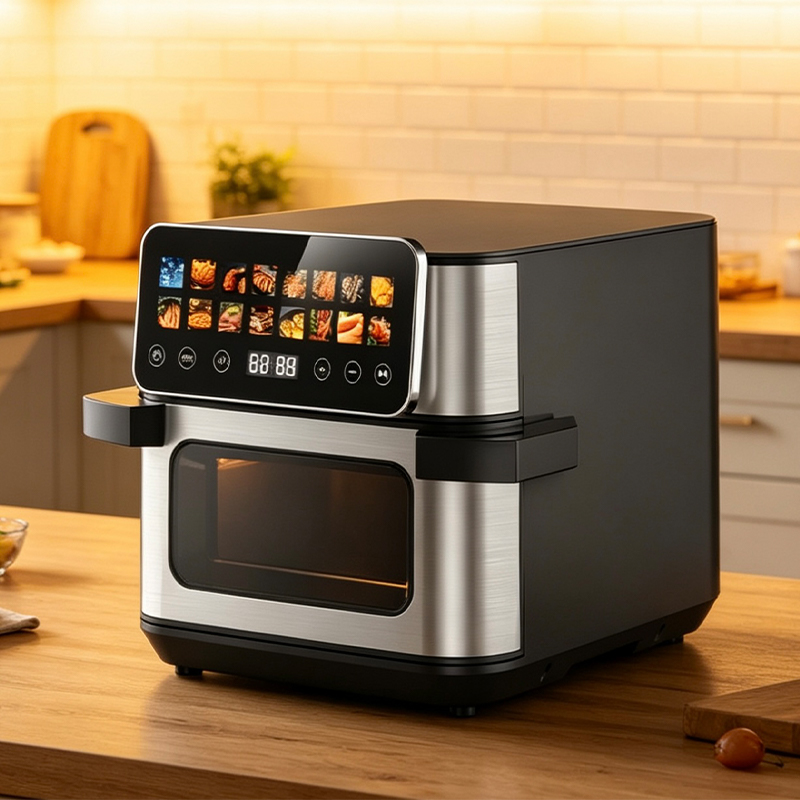
Mechanical Thermostats vs. Digital Sensors
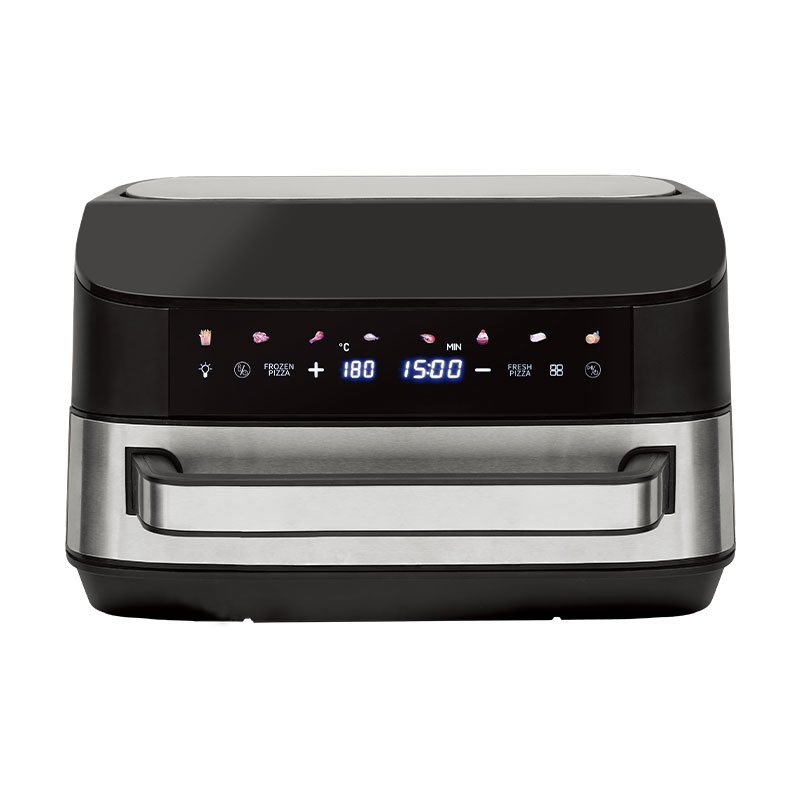
Mechanical thermostats, often found in entry-level machines, use a bimetallic strip that bends with heat to open or close a circuit. This method is inexpensive but imprecise, and it can allow the internal temperature to overshoot by a noticeable margin before the strip reacts. Digital sensors, by contrast, measure temperature electronically and can trigger heating adjustments in fractions of a second, resulting in a tighter and more consistent range around the set point.
Airflow Design and Hot Spots
Even with an accurate thermostat, poor air circulation can create hot spots where food closest to the heating element or fan outlet cooks faster than food elsewhere in the basket. This is why basket shape, fan placement, and vent design matter as much as the sensor itself when it comes to preventing localized burning.
Why It Varies
Why Temperature Accuracy Varies Across Models
Independent kitchen appliance testing has repeatedly shown that stated cooking temperatures and actual internal temperatures can differ meaningfully between units, even at identical price points. A machine set to 400°F might actually cycle between 385°F and 410°F, while another might swing between 370°F and 425°F. That 55-degree spread is often enough to explain why the same recipe produces different results in different air fryers.
Several factors contribute to this variance:
- The wattage and heat output of the heating coil relative to the chamber size
- The response speed of the thermostat or sensor
- Insulation quality, which affects how quickly heat escapes between cycles
- Fan speed consistency, which determines how evenly the regulated heat is distributed
- Basket capacity relative to the amount of food loaded, since overcrowding restricts airflow
Warning
Overcrowding deserves special mention. Even a highly accurate machine will struggle to maintain even temperature if the basket is packed too tightly, because trapped air pockets prevent heat from reaching all surfaces of the food equally. This is one of the most common, and most avoidable, causes of uneven cooking that people mistakenly blame on the appliance itself.
By the Numbers
Comparing Temperature Stability Across Air Fryer Types
The table below summarizes typical temperature regulation characteristics across common categories of air fryers, based on general patterns observed in consumer testing and manufacturer specifications.
| Air Fryer Type | Typical Temperature Swing | Sensor Type | Burning Risk |
|---|---|---|---|
| Basic single-basket, analog dial | ±20°F or more | Mechanical thermostat | Moderate to High |
| Mid-range digital single-basket | ±10–15°F | Digital sensor | Low to Moderate |
| Dual basket air fryer | ±8–12°F per zone | Independent digital sensors | Low |
| Smart air fryer with app control | ±5–10°F | Adaptive feedback sensor | Very Low |
As the table illustrates, the gap between the lowest and highest tiers can be as much as 15 degrees Fahrenheit, which directly correlates with how likely a machine is to scorch the exterior of food before the interior finishes cooking.
Dual Zones
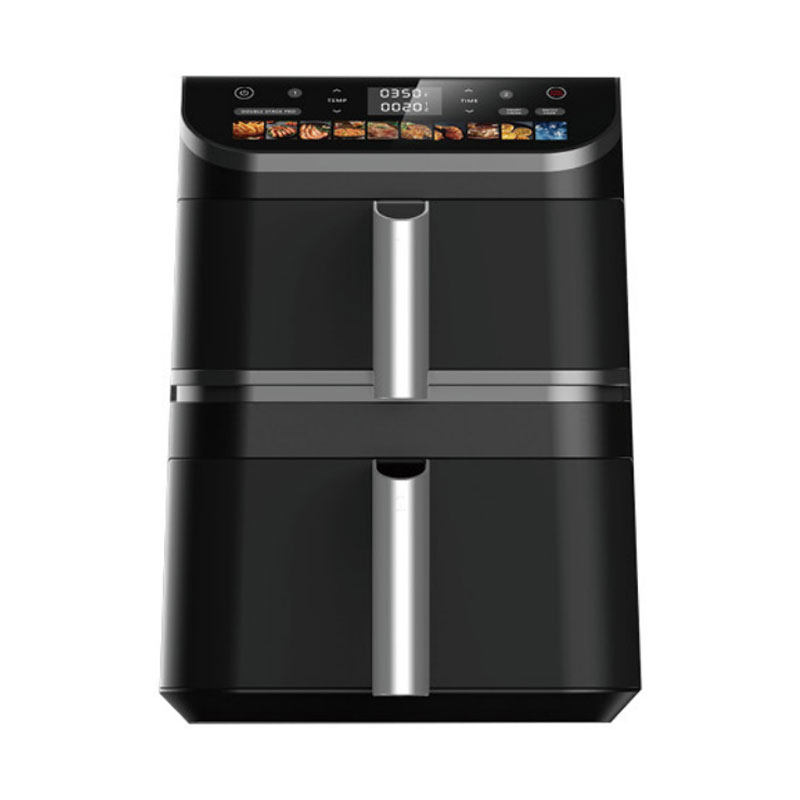
Why a Dual Basket Air Fryer Handles Temperature Differently
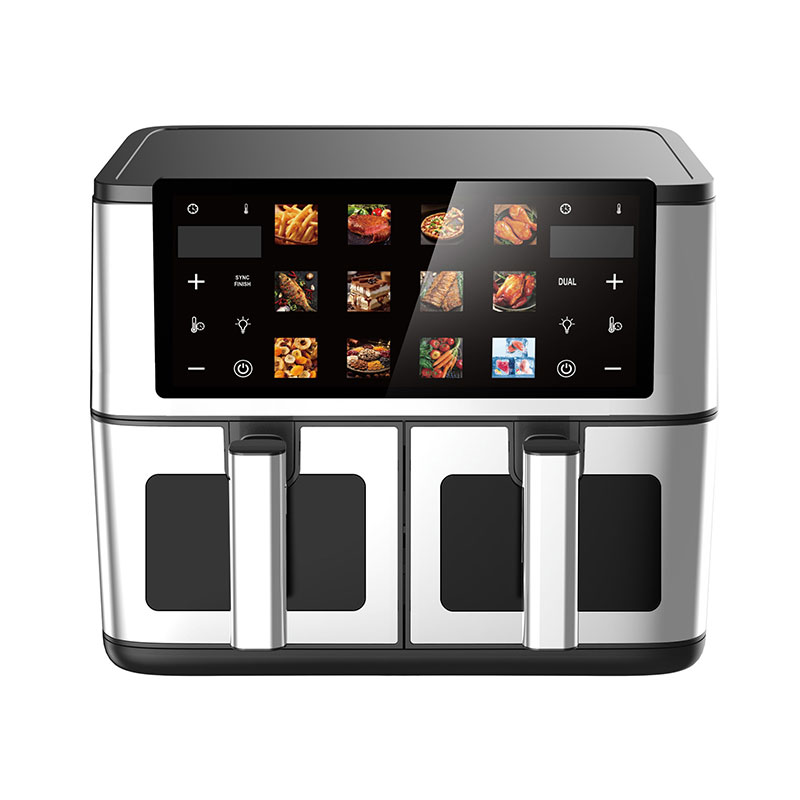
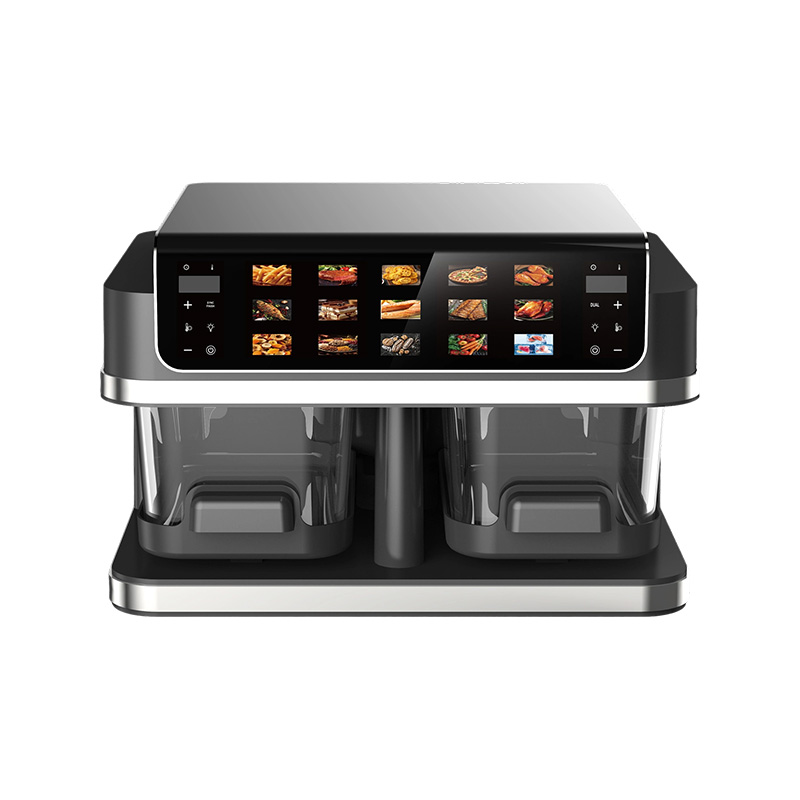
A dual basket air fryer is designed with two separate cooking chambers, each with its own heating element, fan, and thermostat. This matters for temperature regulation because it removes a common failure point in single-chamber designs: uneven heat distribution when cooking two different foods that require different temperatures or times. In a single-basket unit, cooking a delicate item alongside something that needs high heat forces a compromise that can lead to one food burning while the other undercooks.
With independent zones, each side maintains its own regulated temperature, and many models include a synchronization feature that times both baskets to finish simultaneously despite running at different heat levels. This zone independence generally results in more predictable outcomes, particularly for households cooking multiple dishes at once, because neither basket's airflow or heat cycle interferes with the other.
Smart Control
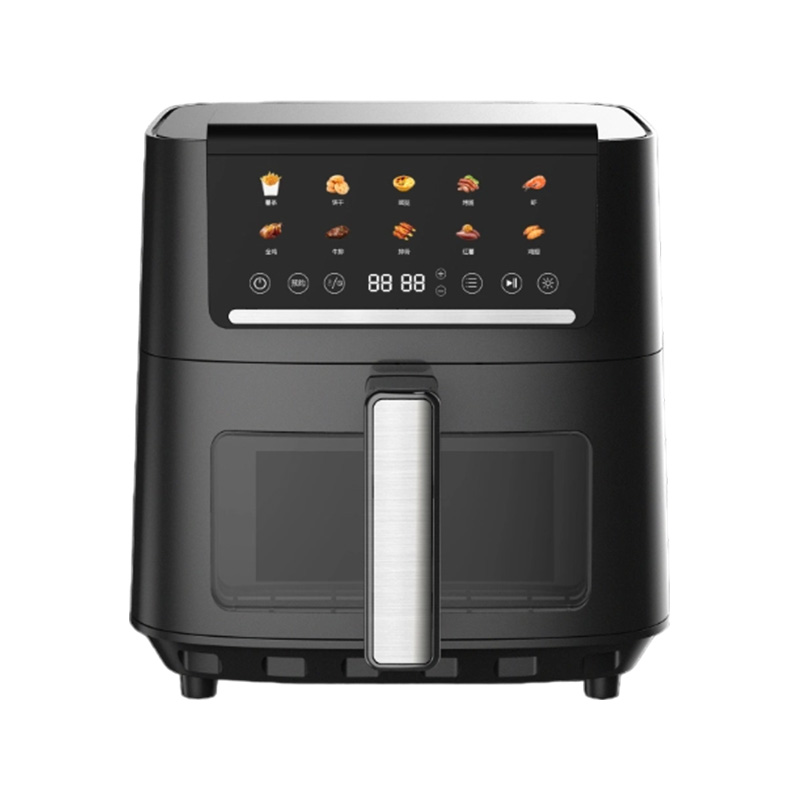
How a Smart Air Fryer Improves Temperature Precision
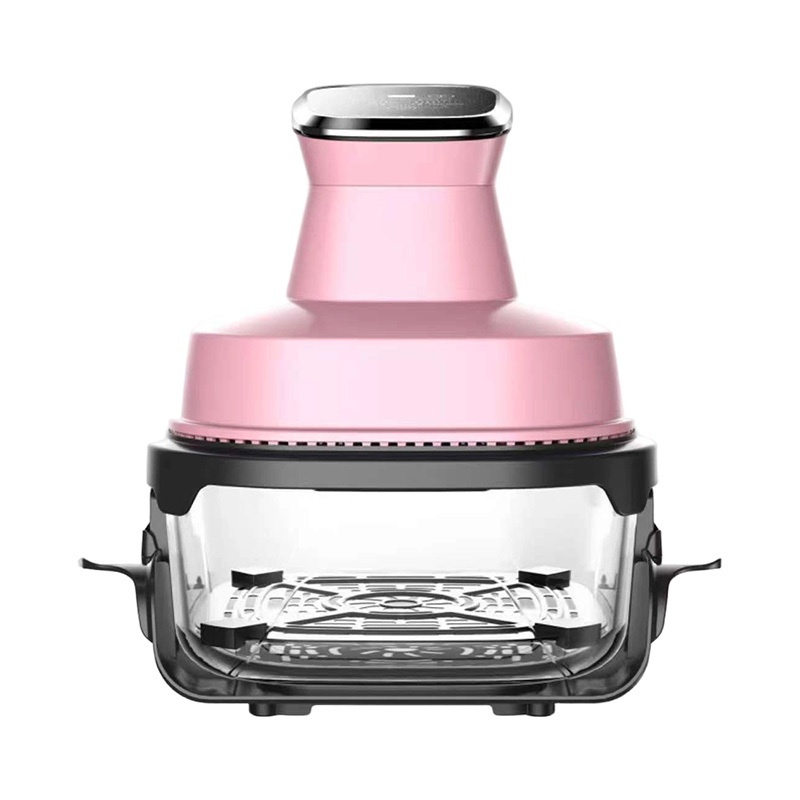
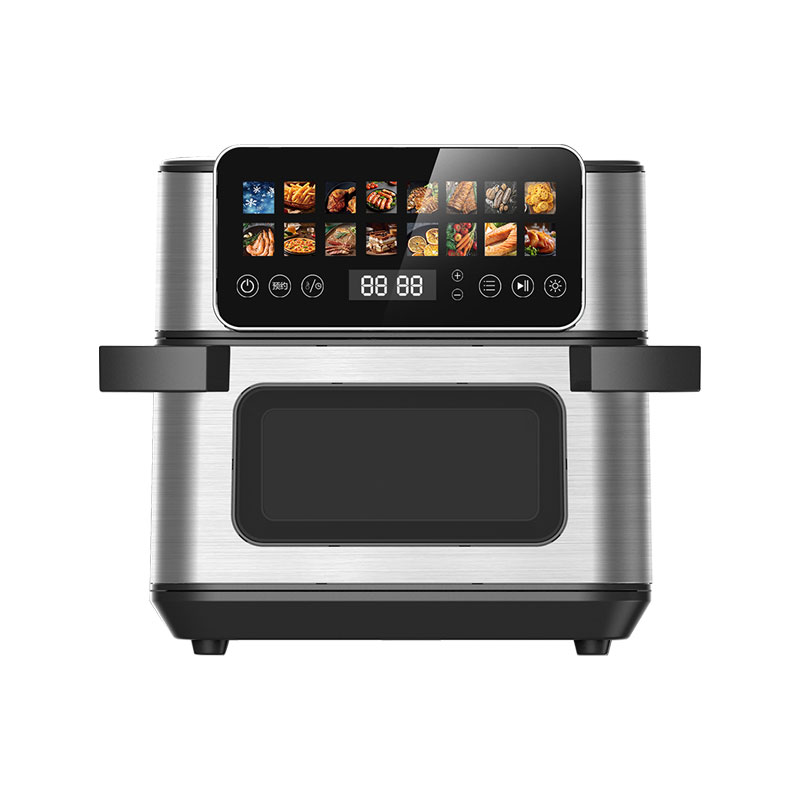
A smart air fryer typically pairs a standard heating and fan system with a connected app or onboard processor that adjusts cooking parameters in real time. Rather than relying solely on a fixed on-off cycle, some smart models use adaptive algorithms that factor in how quickly the chamber is heating or cooling and adjust the duty cycle of the heating element accordingly. This is similar in principle to how a modern oven with convection technology fine-tunes heat output rather than simply switching fully on or off.
Preset Programs and Guided Cooking
Many smart models include preset programs calibrated for specific foods, such as frozen fries, chicken wings, or baked goods, with temperature curves that reduce heat partway through cooking to prevent the exterior from burning before the interior is done. This staged approach to heat regulation is difficult to replicate manually on a basic dial-controlled unit.
Real-Time Alerts and Adjustments
Some connected units send notifications partway through cooking, prompting the user to shake the basket or check doneness, which indirectly supports better temperature management by reducing the chance that food sits too long in a hot zone without intervention.
Advantage
Adaptive heating and guided presets offer an additional layer of precision for anyone who wants more consistent results with less manual guesswork.
What Goes Wrong
Common Causes of Overcooking or Burning in Air Fryers
Even a well-calibrated air fryer can produce burnt or overcooked results if it is used incorrectly. The most frequent causes include:
- Overcrowding the basket, which blocks airflow and forces some pieces closer to the heating element
- Skipping preheating, which causes the thermostat to overshoot as it tries to reach the target temperature quickly
- Using recipes written for a different wattage or chamber size without adjusting time or temperature
- Leaving food near the top of the basket, close to the fan and heating coil, where hot air moves fastest
- Failing to shake or flip food midway through cooking on units without a rotating basket
Most Frequent Cause
Testing across multiple households has shown that overcrowding accounts for a large share of reported burning complaints, more so than actual thermostat malfunction. User habits play as significant a role as the appliance's engineering.
Test It Yourself
Practical Steps to Test and Improve Temperature Accuracy at Home
Anyone wanting to verify how well their own air fryer regulates temperature can do so with a simple test using an oven-safe thermometer placed inside the basket during a run at a fixed temperature, such as 375°F. Recording the thermometer reading every two minutes for a ten-minute cycle will reveal how far the internal temperature drifts above or below the set point.
How to Read the Results
- A swing within 10 degrees suggests reliable, well-regulated heating suitable for delicate foods like fish or pastries
- A swing of 15 to 20 degrees is generally acceptable for heartier foods like vegetables or breaded items, though closer monitoring is advised
- A swing beyond 25 degrees indicates the unit may need lower-than-recommended temperature settings to avoid burning
For those who find their machine runs hot, a practical workaround is to reduce the recommended cooking temperature by 10 to 25 degrees and extend cooking time slightly, which is a common adjustment recommended by several appliance testing organizations.
Takeaway
Choosing a Model with Reliable Temperature Control
When evaluating whether an air fryer will regulate temperature well enough to avoid overcooking or burning, prioritize digital sensor technology over analog dials, check for even airflow design, and consider your cooking habits, particularly whether you tend to fill the basket to capacity. A dual basket air fryer is worth considering for households that regularly cook multiple items with different heat requirements, since independent zones reduce the compromise that leads to burning. A smart air fryer with adaptive heating and guided presets offers an additional layer of precision for users who want more consistent results with less manual guesswork.
Ultimately, no air fryer eliminates the need for occasional monitoring — but choosing a model built around accurate, responsive temperature regulation significantly reduces the odds of burnt edges, dry interiors, or inconsistent batches, making everyday cooking more predictable and less frustrating.