

 English
 中文简体
中文简体 Español
 English
 中文简体
中文简体 Español
-
1. Precision thermostats and electronic sensors for continuous regulation: Modern Air Fryers are equipped with highly precise thermostats and temperature sensors that continuously monitor the internal cooking chamber. These sensors measure temperature at multiple points in real time and relay this data to the control system, which adjusts the heating element’s power accordingly. During long cooking cycles, this continuous monitoring prevents temperature fluctuations that could otherwise result in uneven cooking or over-browning. In multi-stage cooking processes, where different stages require distinct temperature settings—such as searing meat at high heat followed by slow cooking vegetables at lower heat—the sensors ensure that the chamber quickly stabilizes at the desired temperature for each stage. This closed-loop feedback system guarantees reproducible results and precise thermal management without requiring manual adjustments.
-
2. Variable heating elements and adaptive power control: Unlike older fixed-wattage appliances, many contemporary Air Fryers use heating elements capable of variable output. The system can modulate power delivery to maintain the target temperature efficiently. During prolonged cooking, the heating element reduces output once the desired temperature is reached and cycles power as needed to counteract minor losses due to heat dissipation or chamber opening. This minimizes energy waste and prevents the chamber from overshooting the set temperature. In multi-stage cooking, variable power allows the system to switch seamlessly between stages—higher power for initial browning and lower power for sustained cooking—ensuring that each stage’s temperature requirement is precisely met.
-
3. Optimized airflow design for uniform heat distribution: Forced convection is central to the operation of an Air Fryer. High-velocity fans circulate hot air rapidly throughout the cooking chamber, reducing hot or cold spots that can compromise consistency. In long or multi-stage processes, continuous airflow ensures that the food’s surface and interior heat uniformly, maintaining consistent doneness across multiple batches or stacked items. The design of the basket, fan placement, and chamber geometry all contribute to uniform airflow, ensuring that even foods with varying moisture content or density cook evenly without requiring manual repositioning. By stabilizing the temperature around the food, airflow works in tandem with the heating element to deliver consistent results over extended periods.
-
4. Programmable multi-stage cooking and temperature profiles: Advanced Air Fryers allow users to program multi-stage cooking routines, specifying distinct temperature and time parameters for each stage. The internal control system automatically adjusts heating element output and fan speed according to the programmed profile. For example, a recipe may start at a high temperature to crisp or sear, followed by a lower temperature to gently finish cooking. The precise execution of these stages is possible because the system maintains the setpoint temperature for each stage, avoiding the need for manual intervention. This feature is particularly beneficial for complex recipes, such as baked goods, proteins with finishing glazes, or layered dishes requiring sequential heating.
-
5. Thermal insulation and heat retention: The construction of an Air Fryer incorporates insulated walls and heat-retaining materials that reduce energy loss to the surrounding environment. This insulation stabilizes the internal temperature during long cooking sessions, even if the chamber is briefly opened to check or add ingredients. By minimizing heat loss, the system reduces the need for the heating element to frequently reheat the chamber, preventing temperature spikes and dips. The combination of thermal insulation and airflow ensures both efficient energy use and a consistent cooking environment, critical for multi-stage or slow cooking applications.
-
6. Adaptive control algorithms for predictive thermal management: Some high-end Air Fryers employ intelligent control algorithms capable of predicting thermal inertia and adjusting heating element output dynamically. When a batch of cold food is placed into the chamber, the system temporarily increases power to compensate for the drop in temperature, then reduces it as the setpoint is approached. These algorithms continuously adapt to changes in load, moisture release, and chamber conditions, minimizing overshoot or undershoot of the target temperature. This predictive adjustment ensures that both single-stage and multi-stage cooking processes maintain precision and repeatability, even in challenging conditions such as high-density foods or large volumes.

Home / News / Industry News / How do Air Fryers maintain consistent temperature control during long or multi-stage cooking processes?
Industry News
How do Air Fryers maintain consistent temperature control during long or multi-stage cooking processes?
Hot Products
-
 View More
-
 View More
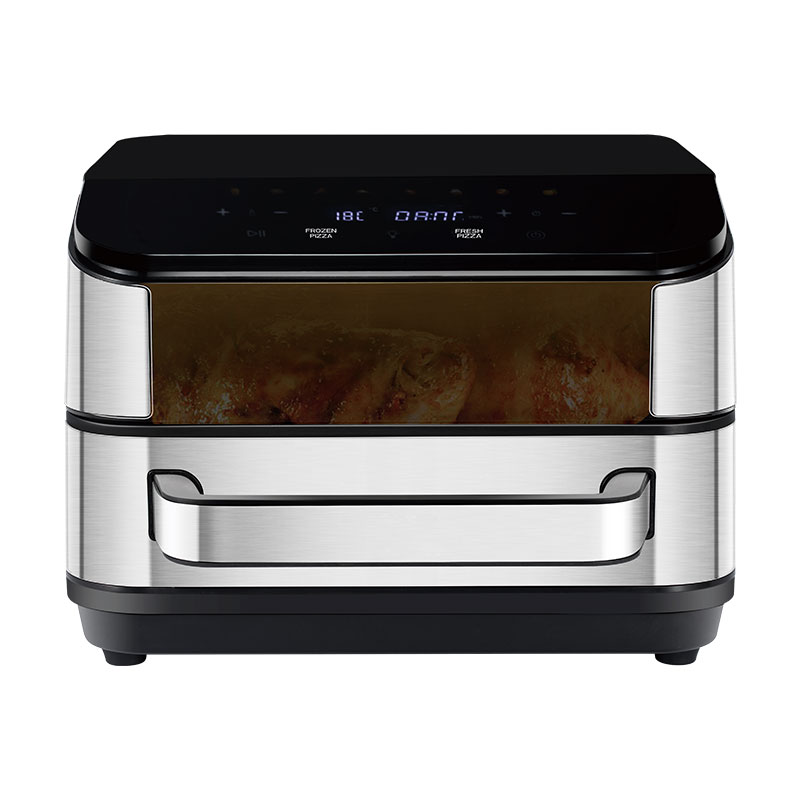
GSE049 Pizza air fryer
-
 View More
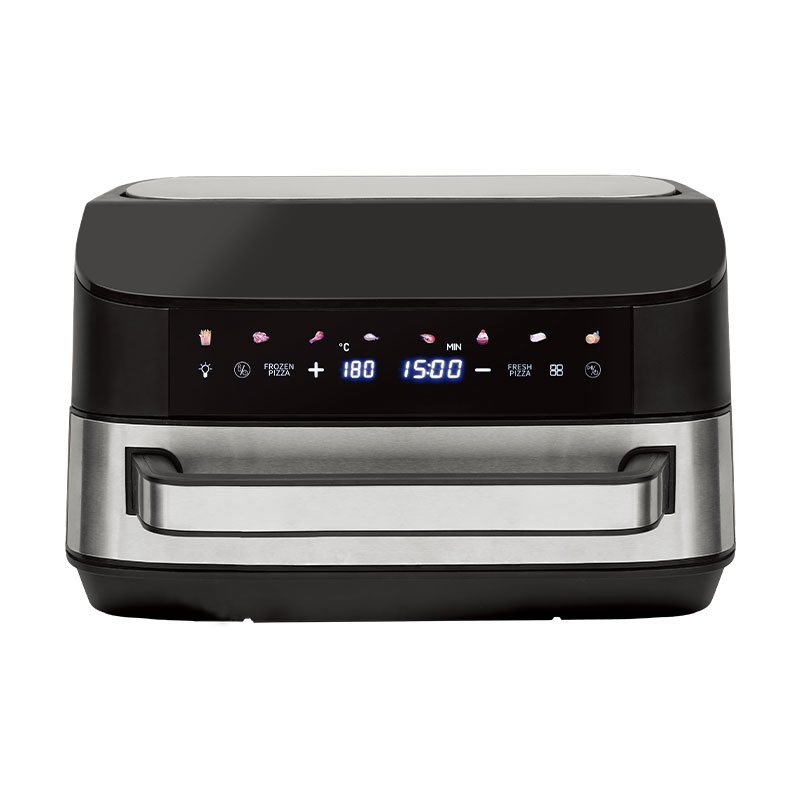
GSE050 Pizza air fryer
-
 View More
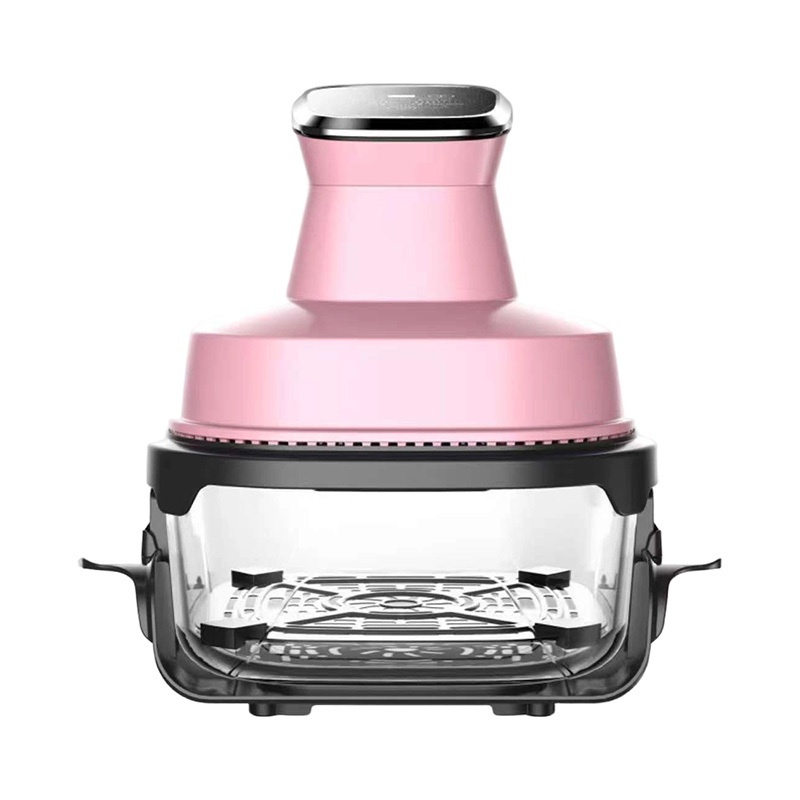
AIR FRYER GSE027
-
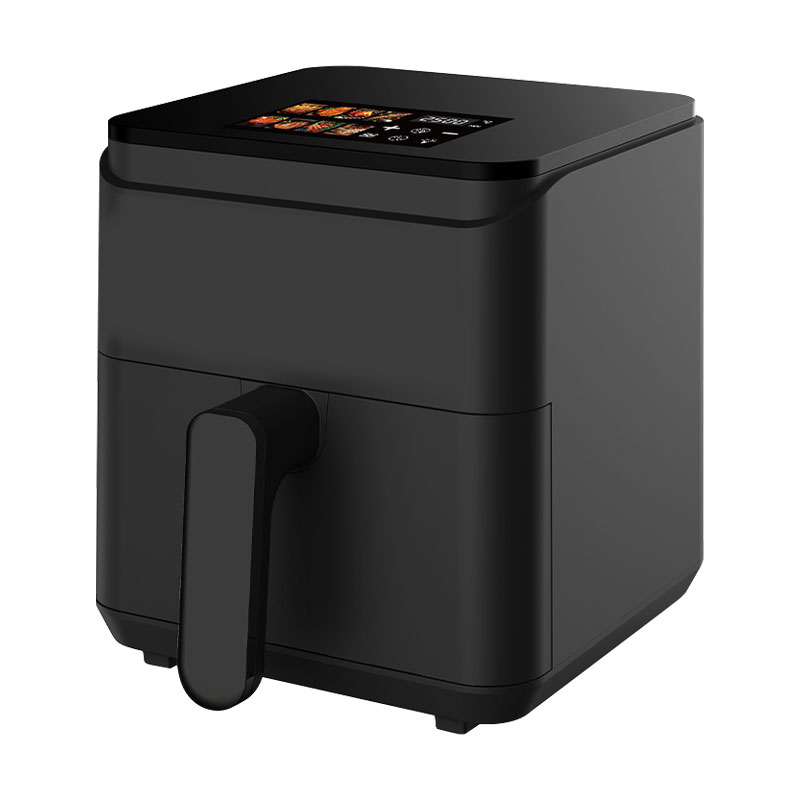 View More
AIR FRYER GSE028F
-
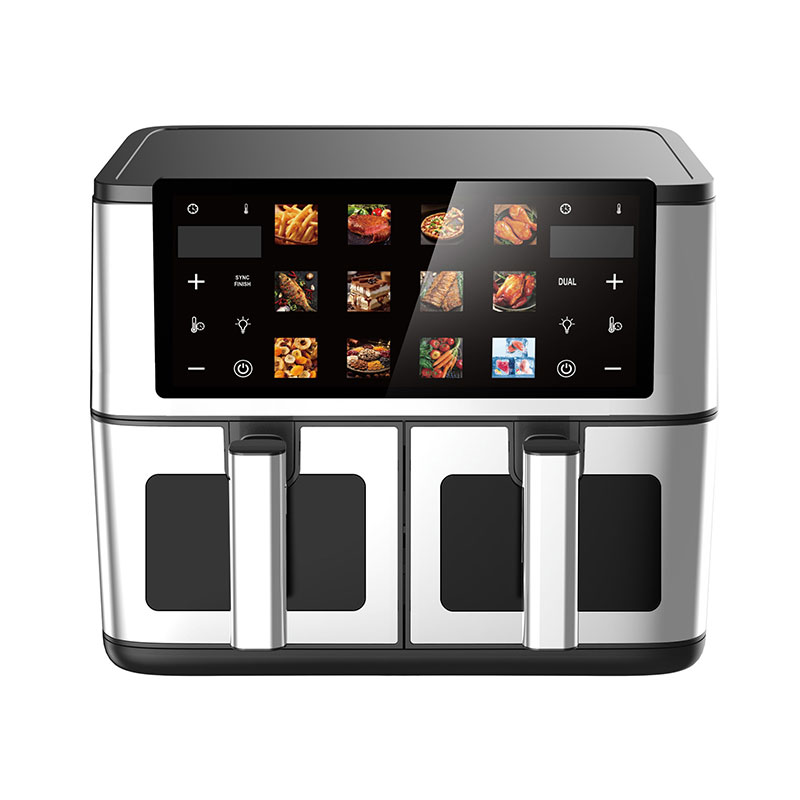 View More
AIR FRYER GSE039/GSE039T
-
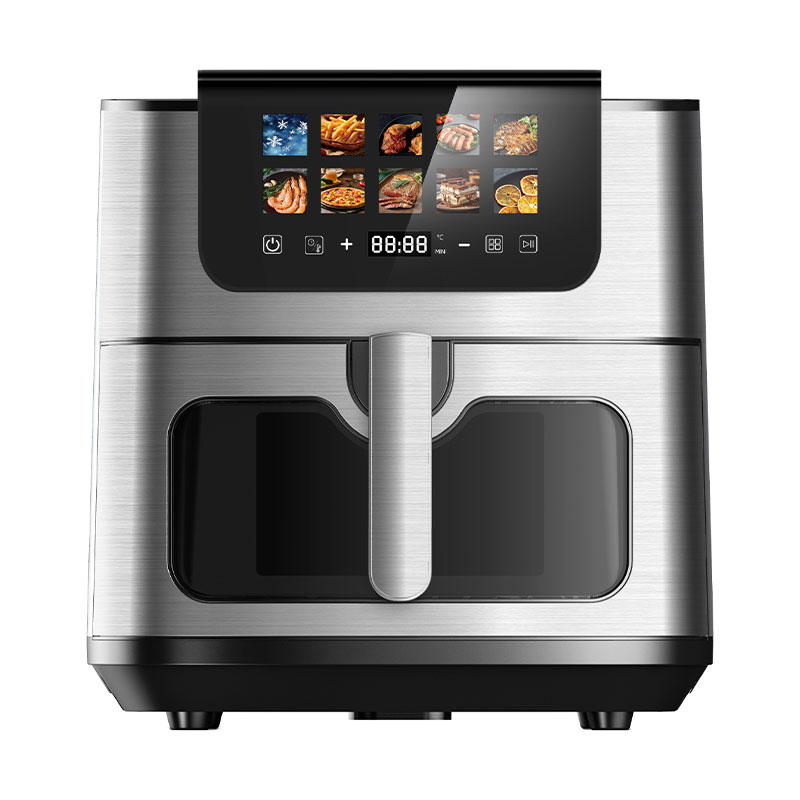 View More
AIR FRYER GSE046T(F/S)/GSE046D(F/S)
-
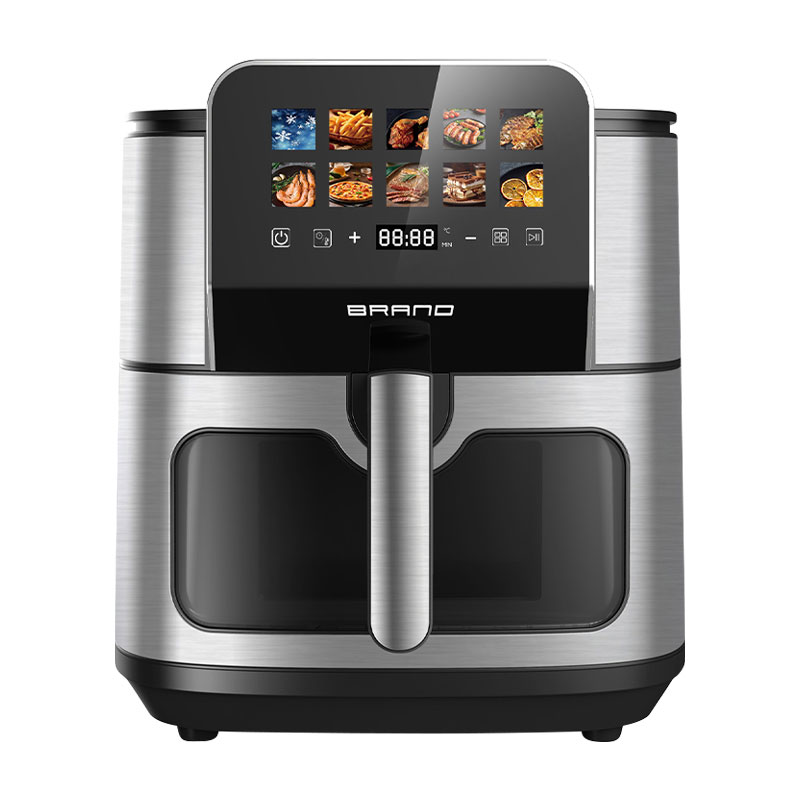 View More
AIR FRYER GSE048
-
 View More
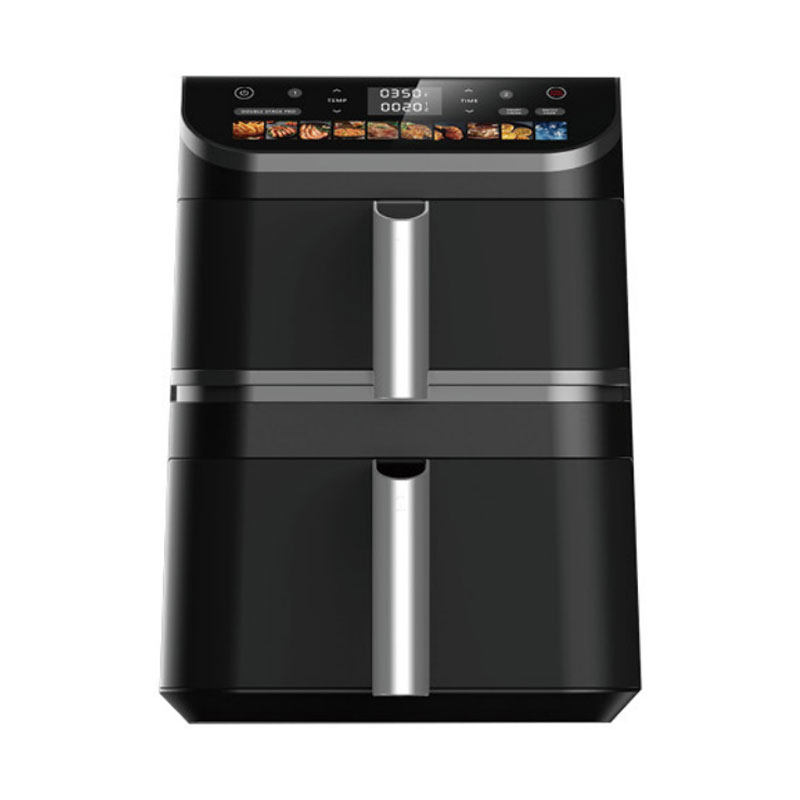
Air Fryer (DC motor) GSE057/GSE057D
-
 View More
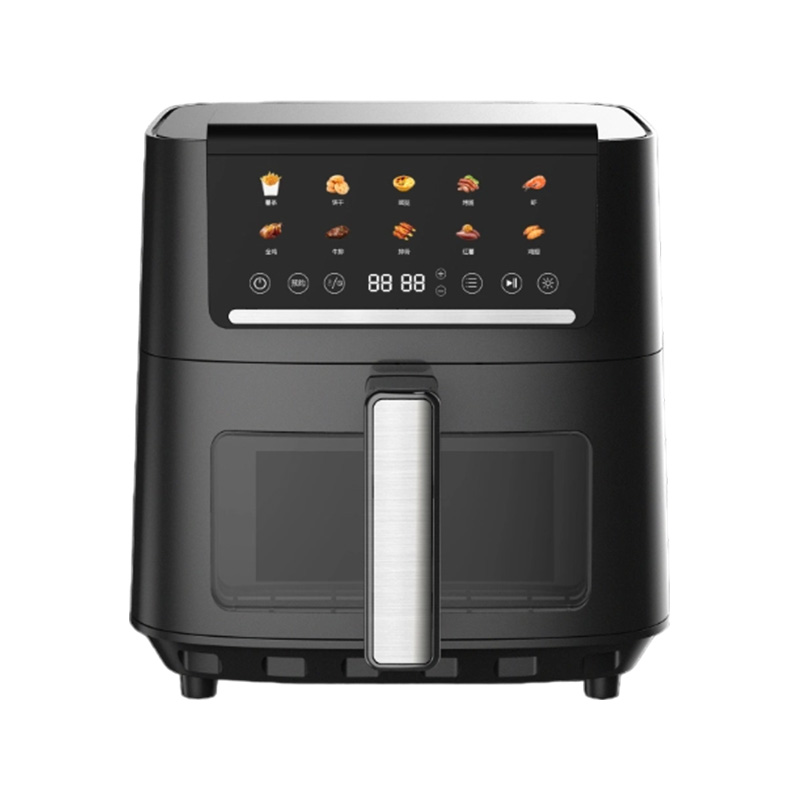
GSE034P Air Fryer
-
 View More
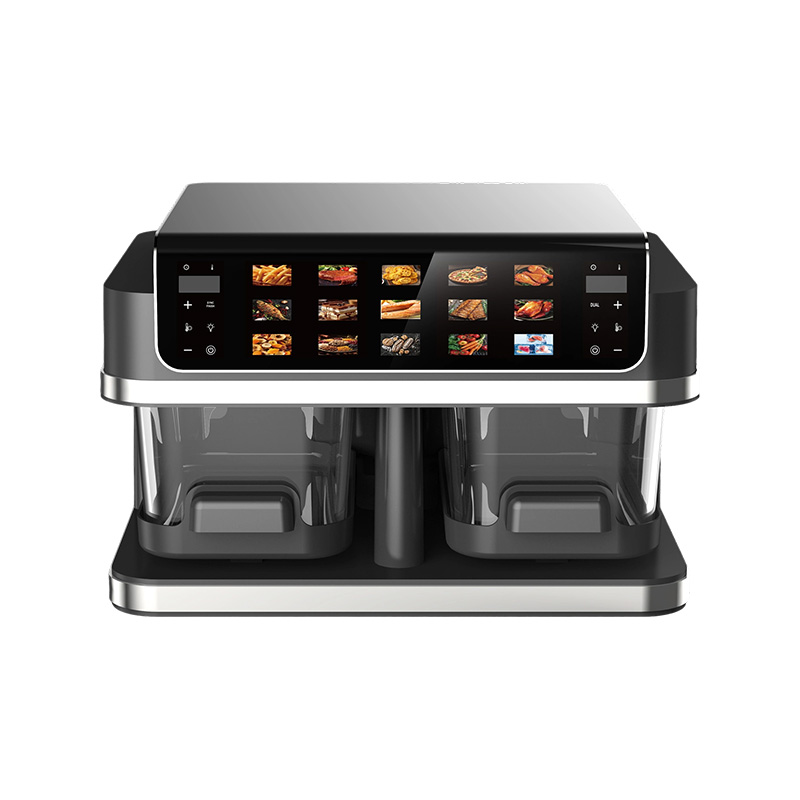
GSE071 Air Fryer
-
 View More
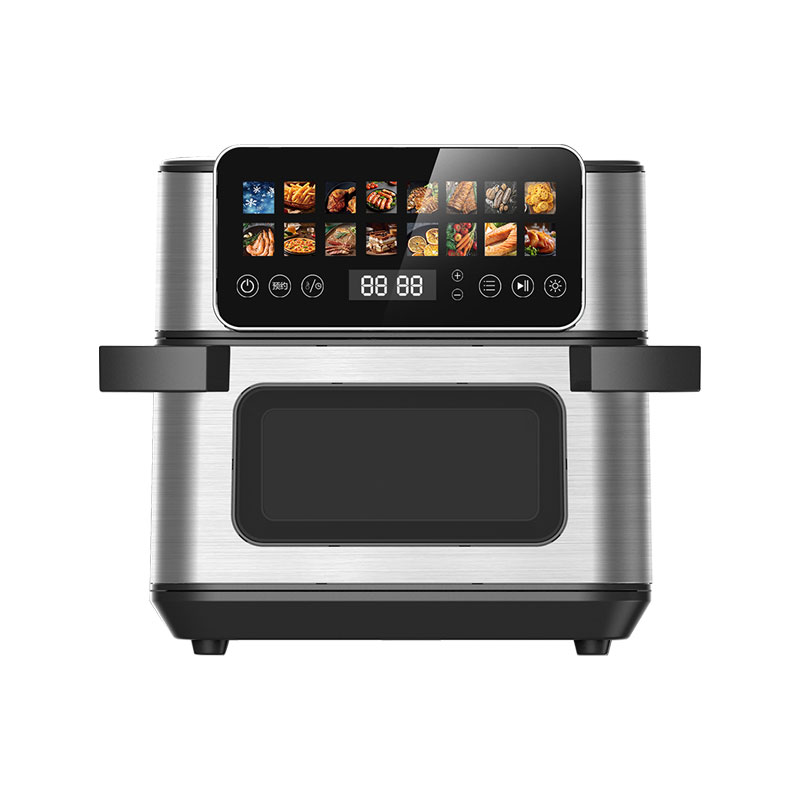
GSE066 12L Large Capacity Square Smart Oil-Free Air Fryer




PRODUCT
CONTACTS
-
Add: No.111 Jing Qi Road, Chongshou Town, Cixi, Ningbo, China.
-
Phone: +86-13884446300
-
Tel: +86- 57463271135
-
WhatsApp: 8613884446300
-
Skype: nbgstar
-
WeChat: nbgstar
-
Email: [email protected]
-
SCAN US AT TIKTOK
Copyright © CIXI GSTAR ELECTRIC APPLIANCE CO., LTD.All Rights Reserved Small Electric Kitchen Appliances Manufacturers and Suppliers
