

 English
 中文简体
中文简体 Español
 English
 中文简体
中文简体 Español
-
Optimized Cooking Time Through Dual-Zone Heating: The air fryer dual is specifically engineered with dual heating elements positioned in a way that maximizes heat distribution throughout the cooking chamber. Unlike standard air fryers, which rely on a single heating element and fan combination that can result in uneven temperatures and prolonged cooking cycles, the dual-zone configuration allows the appliance to envelop food in consistently hot air from multiple directions simultaneously. This design accelerates the Maillard reaction, enabling browning and crisping to occur more efficiently while ensuring that the interior and exterior of the food reach optimal doneness at the same time. As a result, cooking times for dense, larger, or multiple food items are typically shorter than with conventional air fryers, reducing both active monitoring and the need to manually shake or reposition the food during the cooking process. This is particularly advantageous when preparing meals for multiple servings, as it ensures uniform results without extending total cook duration. The dual-zone approach minimizes cold spots, which are common in standard air fryers, making it possible to achieve consistent texture and flavor across all portions of a dish with significantly less time.
-
Enhanced Airflow Dynamics for Faster Heat Transfer: The air fryer dual incorporates an advanced airflow system designed to generate more turbulent and multidirectional air circulation than standard single-element models. This enhanced airflow not only allows heat to penetrate food surfaces more effectively, but also creates an even cooking environment where all areas of the basket or tray receive consistent exposure to hot air. In practical terms, this means that items with irregular shapes, multiple layers, or coated surfaces such as breaded chicken, fries, or vegetables cook more uniformly without extended heating periods. The rapid transfer of thermal energy ensures that the exterior crisps while the interior remains moist and fully cooked, a balance that conventional air fryers often require longer cycles to achieve. Consequently, users experience noticeably shorter cooking durations without compromising food quality, texture, or safety.
-
Energy Efficiency Through Reduced Cooking Duration: Even when the air fryer dual and a standard air fryer draw comparable peak wattage, the dual’s shorter cooking cycles significantly reduce total energy consumption per meal. Energy efficiency is measured not only by instantaneous power draw but by the total electrical usage over the course of preparing a dish. By completing meals faster, the air fryer dual consumes fewer watt-hours overall, which translates to lower electricity costs and a reduced environmental footprint. Foods that require longer cooking times in standard models, such as whole poultry, thick-cut vegetables, or breaded items, can often be prepared in a fraction of the time with the dual system, maximizing the conversion of energy input into effective cooking rather than wasted heat or prolonged idle operation.
-
Smart Temperature Management for Consistent Efficiency: The dual heating elements in the air fryer dual can be managed dynamically to maintain precise temperature control throughout the cooking process. Unlike single-element air fryers that may overshoot the set temperature or rely on intermittent fan operation, the dual-zone system allows for staged or balanced heat delivery, reducing thermal fluctuations and preventing overcooking or undercooking. This intelligent thermal regulation minimizes wasted energy by ensuring that electricity is used effectively and only when necessary to maintain the desired cooking conditions.
-
Reduced Preheating Requirements: Many standard air fryers require extended preheating periods to bring the cooking chamber to the target temperature, which consumes energy without contributing to actual cooking. The air fryer dual, however, achieves rapid warm-up due to the combination of dual elements and optimized airflow, allowing the appliance to reach operating temperature quickly. This reduction in preheating time not only saves energy but also shortens the overall meal preparation timeline, providing both economic and practical advantages for users seeking efficient, time-conscious cooking solutions.

Home / News / Industry News / How does the air fryer dual compare to standard air fryers in terms of cooking time and energy efficiency?
Industry News
How does the air fryer dual compare to standard air fryers in terms of cooking time and energy efficiency?
Hot Products
-
 View More
-
 View More
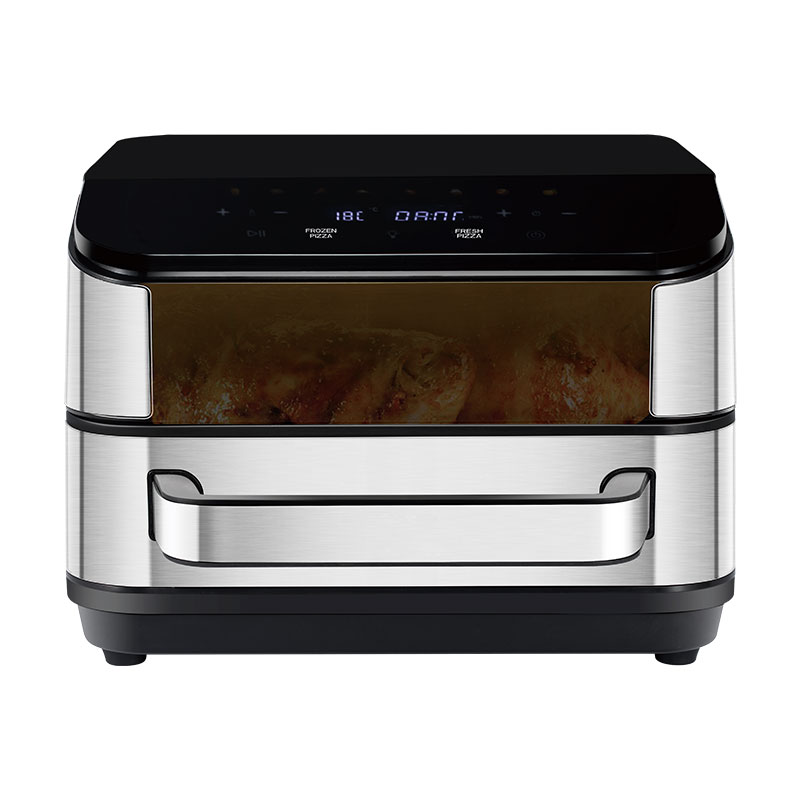
GSE049 Pizza air fryer
-
 View More
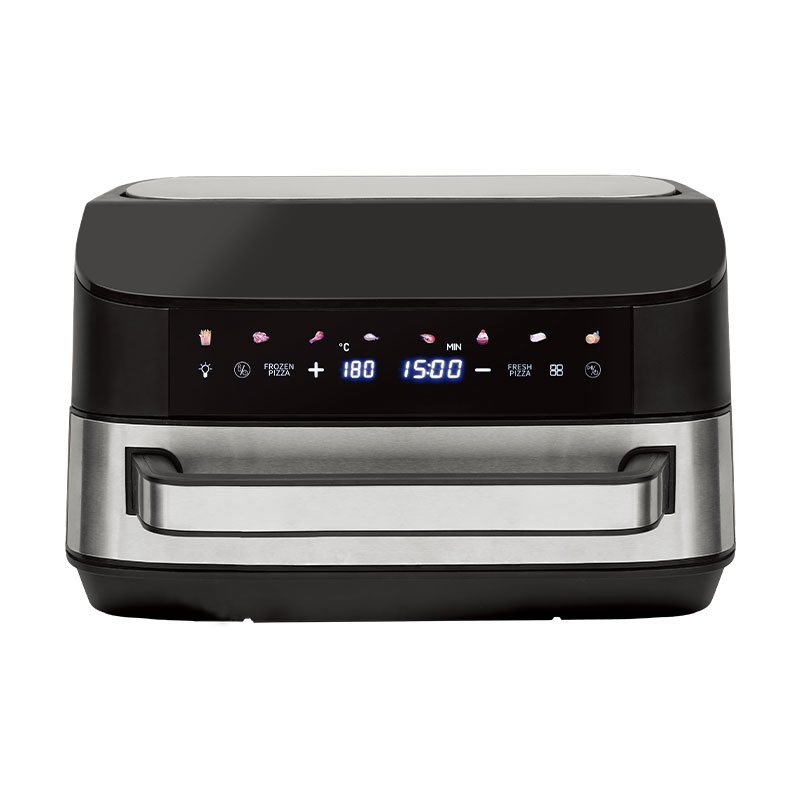
GSE050 Pizza air fryer
-
 View More
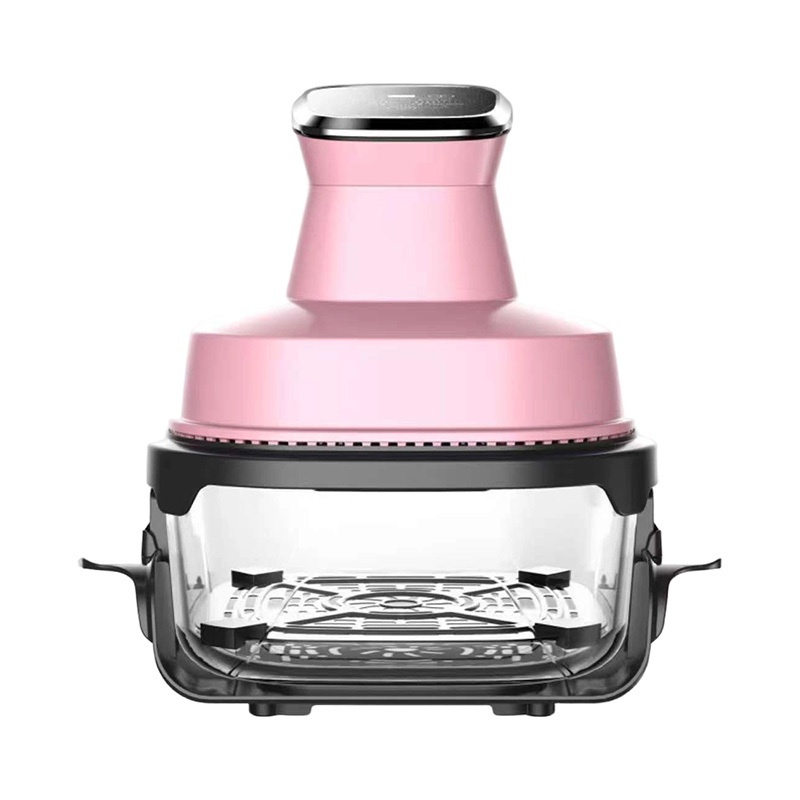
AIR FRYER GSE027
-
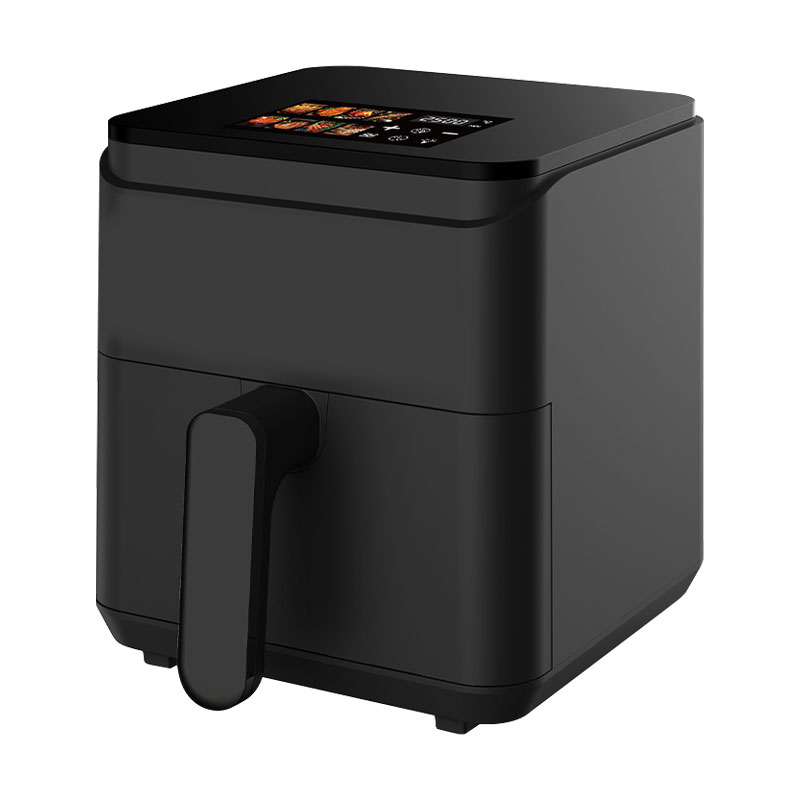 View More
AIR FRYER GSE028F
-
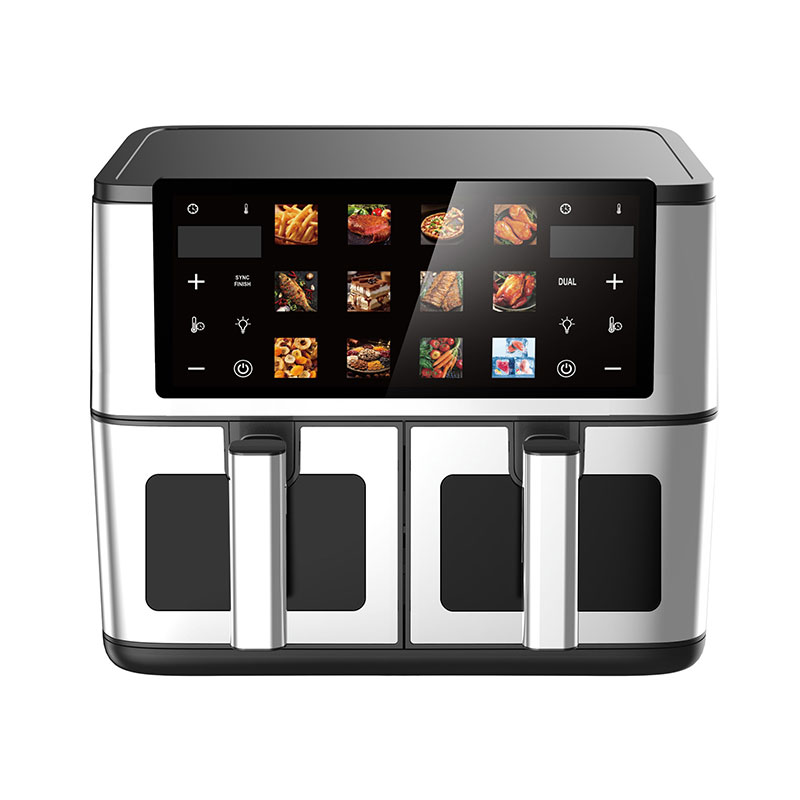 View More
AIR FRYER GSE039/GSE039T
-
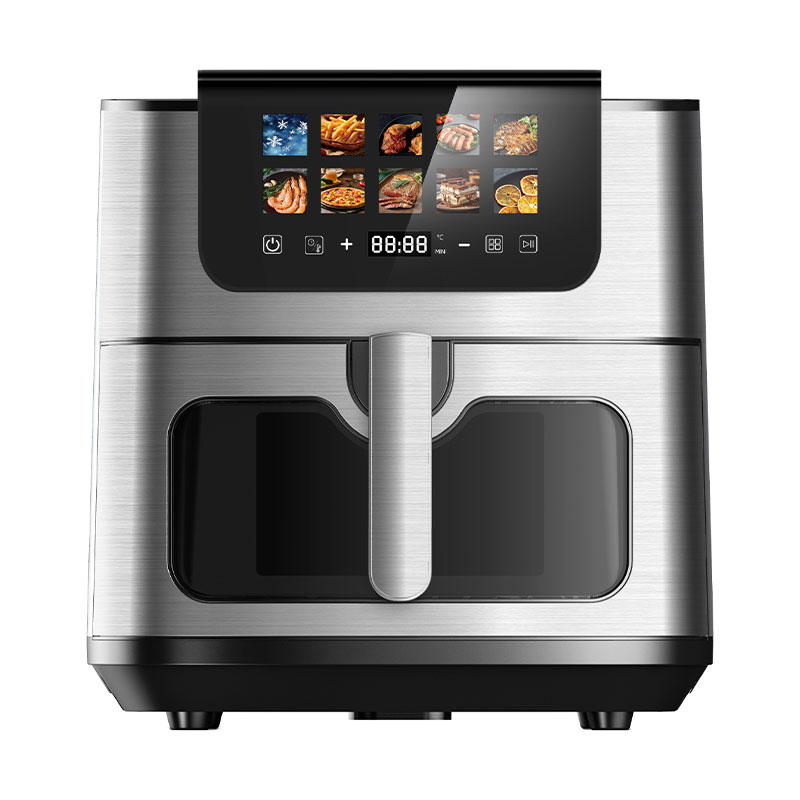 View More
AIR FRYER GSE046T(F/S)/GSE046D(F/S)
-
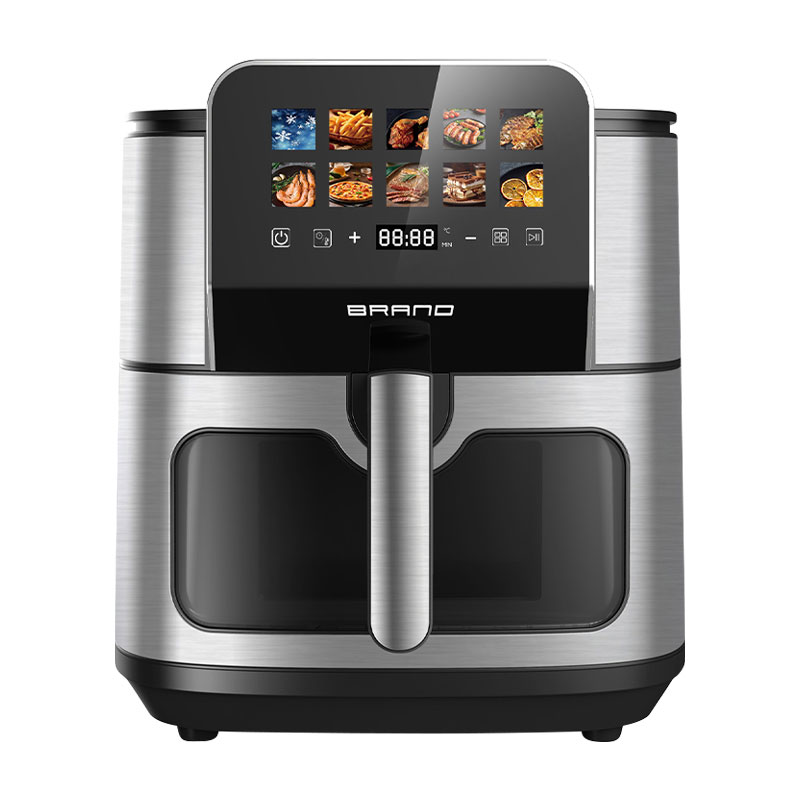 View More
AIR FRYER GSE048
-
 View More
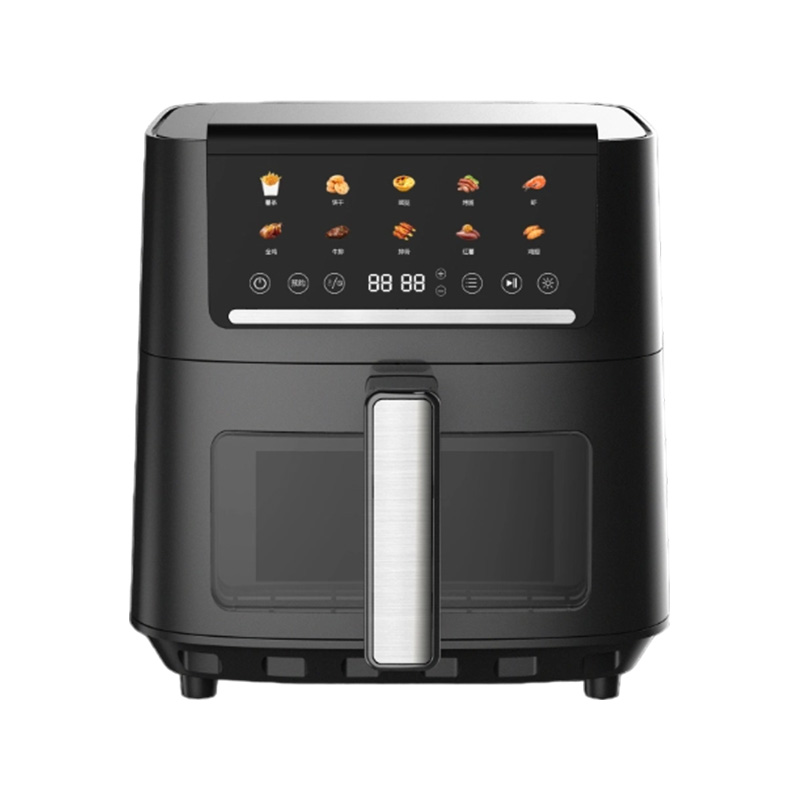
GSE034P Air Fryer
-
 View More
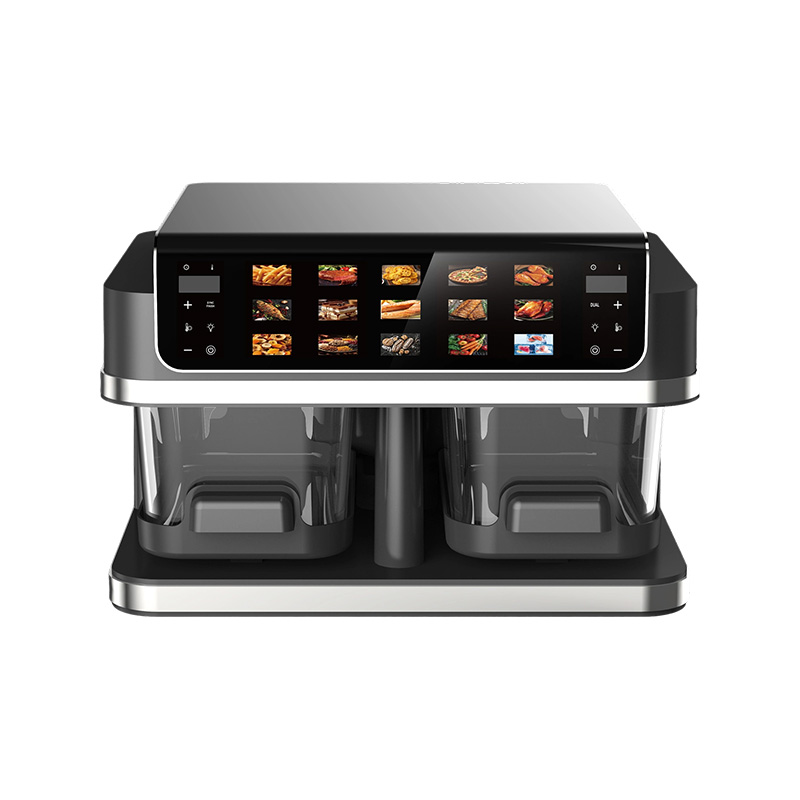
GSE071 Air Fryer
-
 View More
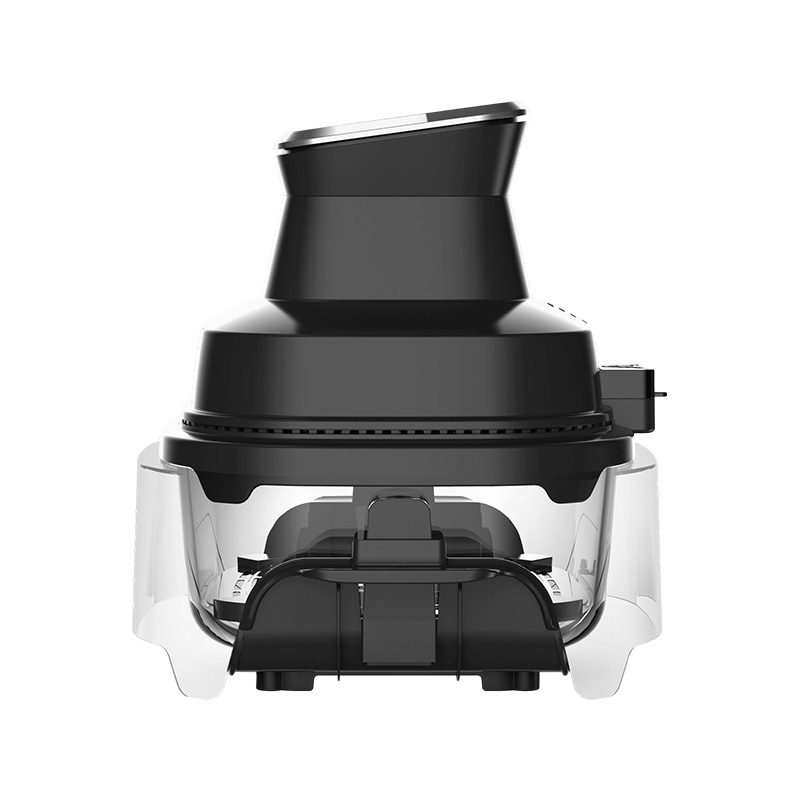
GSE026F/GSE027F 1500W Digital Control Double-Layer Glass Inner Air Fryer
-
 View More
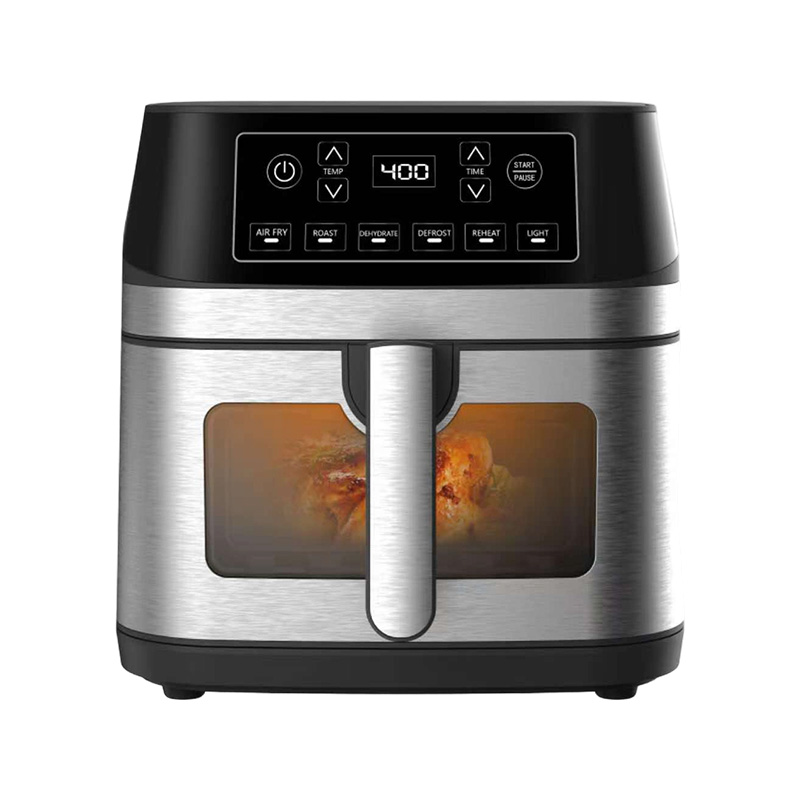
GSE061G Air Fryer




PRODUCT
CONTACTS
-
Add: No.111 Jing Qi Road, Chongshou Town, Cixi, Ningbo, China.
-
Phone: +86-13884446300
-
Tel: +86- 57463271135
-
WhatsApp: 8613884446300
-
Skype: nbgstar
-
WeChat: nbgstar
-
Email: [email protected]
-
SCAN US AT TIKTOK
Copyright © CIXI GSTAR ELECTRIC APPLIANCE CO., LTD.All Rights Reserved Small Electric Kitchen Appliances Manufacturers and Suppliers
