
 English
 中文简体
 Español
 English
 中文简体
 Español

Kitchen Technique · Small Appliances
Air Fryer Recipes That Actually Work
Temperature, timing, and technique decide whether an air fryer recipe comes out crisp or disappointing. These are the fundamentals behind every batch that leaves our production line.
A basket of homemade french fries that came out pale and limp. A chicken wing stuck to the rack. A batch of Brussels sprouts that steamed instead of browning. Every failure looks different, but they share the same root cause — a combination of temperature stability, airflow, and loading density. Adjust those three variables, and the identical recipe that failed last week will come out the way the photo promised.
Why Most Air Fryer Recipes Fail
An air fryer is not a mini deep fryer. It is a small convection oven with a high-speed fan. Food cooks when hot air moves across its surface quickly enough to drive out moisture and brown the exterior. That depends on three conditions: the air must be hot enough, it must reach every surface, and the surface needs a thin, even coating of oil. The moment any one of those is off, the result is pale, dry, or uneven — no matter how well the recipe was written.
Most failures come from transferring oven habits to a basket. A full-size oven lets air circulate around food arranged on an open tray. A basket holds pieces close together and blocks part of that circulation. A portion that fits comfortably on a sheet pan can overcrowd a basket, and overcrowding turns crisping into steaming.
| Problem | Likely cause | What to change |
|---|---|---|
| Soggy coating on breaded items | Basket overcrowded; no oil mist | Reduce the batch and spray a light oil mist |
| Dry, tough meat | Temperature set too high | Lower by 5–10 °C and extend the time |
| Unevenly browned pieces | No agitation at the midpoint | Shake or flip every 8–10 minutes |
| Food sticking to the basket | Dry basket surface | Lightly grease the basket before loading |
| Burnt outside, raw inside | Food cut too thick | Cut smaller pieces or lower the temperature |
Overcrowding is the most common reason for a soggy coating. Each piece needs room for air to move around it; if the basket feels packed, cook in two batches.
These five problems are the first things our test kitchen checks on a new design. If a unit cannot resolve them, no recipe can compensate.
Recipes That Work Every Time
The five recipes below cover what an air fryer does best — frozen snacks, bone-in meat, vegetables, fish, and coated items. They also expose the difference between average and well-designed appliances, because each one depends on steady heat and uninterrupted airflow. We cook variations of these on every sample before production approves a model.
| Recipe | Temperature | Time | Key detail |
|---|---|---|---|
| Frozen french fries | 200 °C | 18–20 min | Shake at 10 min; add a light oil spray |
| Chicken wings | 190 °C | 24–28 min | Start skin-side down; flip at midpoint |
| Roasted Brussels sprouts | 180 °C | 14–16 min | Halve evenly; shake at halfway |
| Salmon fillet | 180 °C | 10–12 min | Oil the skin; no need to flip |
| Frozen mozzarella sticks | 200 °C | 7–8 min | Cook from frozen; never thaw |
Frozen french fries are the most revealing first recipe. They come pre-cooked, with a coated surface that crisps as soon as enough air passes over it. Preheat the basket, add the fries in a single layer, shake them at the midpoint, and — the step most people skip — spray a light mist of oil over them before the second half of the cycle. That one motion changes pale fries into golden ones. If a unit's airflow is weak, no amount of shaking will fix it, which is why a french-fries-specialist air fryer is designed specifically for this kind of repeatable finish.
Chicken wings behave differently because they release fat as they cook, and that fat is what makes the skin crisp. Cook wings skin-side down first so the fat starts rendering early, flip them at the midpoint, and give the final few minutes the highest fan speed your model offers. After 24 to 28 minutes at 190 °C, the skin is remarkably close to a deep-fried wing — with a fraction of the oil.
The recipes that fail in an air fryer are almost always the ones designed for a full-size oven and transferred without adjusting the heat profile.
Brussels sprouts and salmon test low-temperature control. Sprouts need a gentle start so the core cooks through, then a hotter burst in the final minutes to char the cut side. Salmon needs a steady temperature with no cold spots; the fillet tapers toward the tail, so check the thin end two minutes before the timer finishes. Neither recipe is difficult, but both reward a unit that holds its set temperature instead of swinging wide.
Frozen mozzarella sticks have one rule: never thaw them. A frozen stick cooks in seven to eight minutes at 200 °C; a thawed one leaks cheese, sticks to the basket, and turns the breading gummy. Frozen-food-focused models usually pair stronger airflow with a wider temperature range, which makes this recipe far more forgiving.
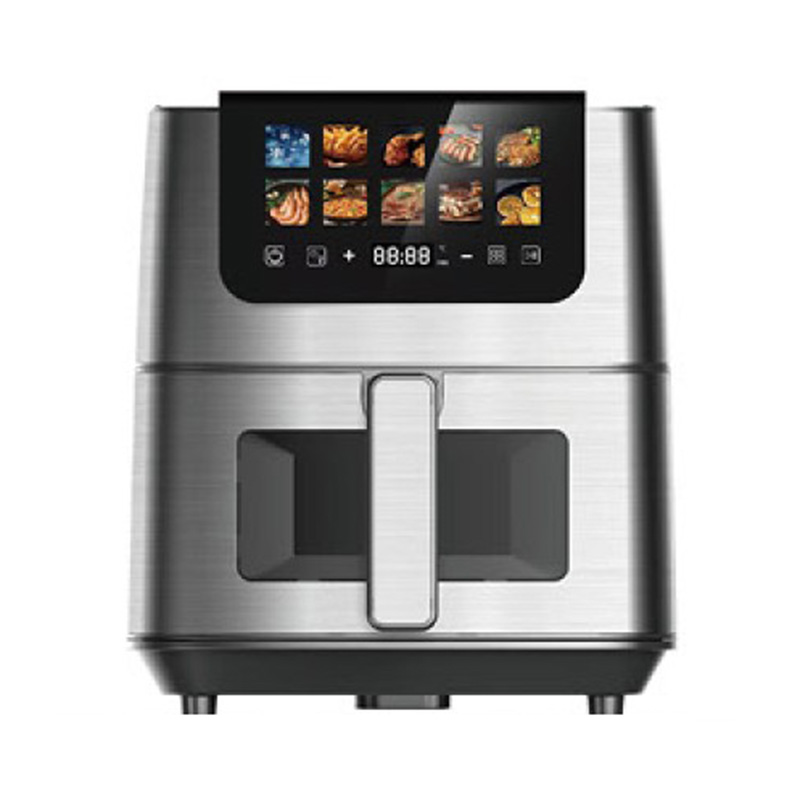
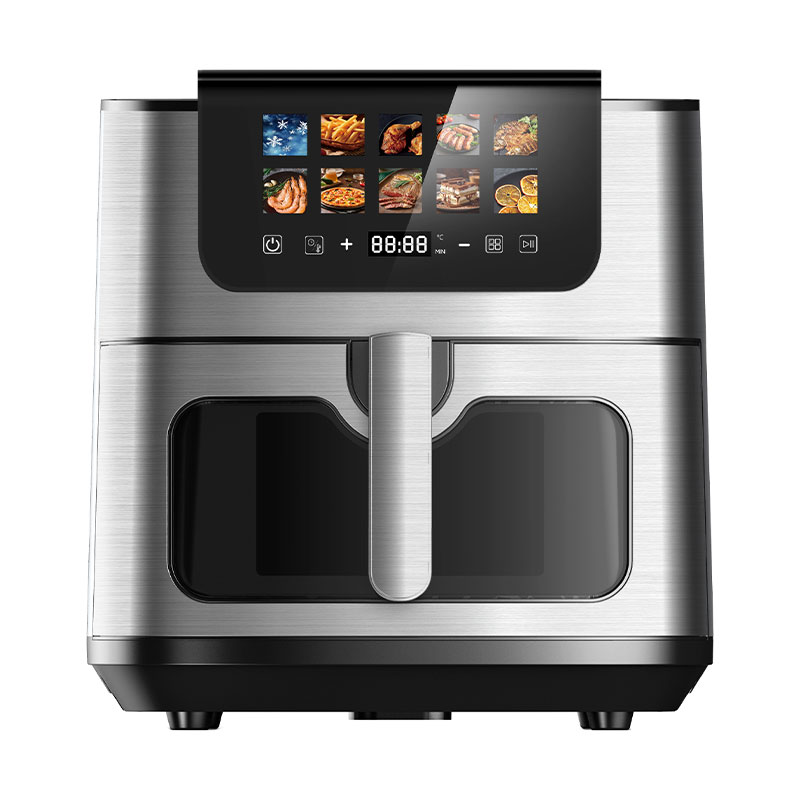
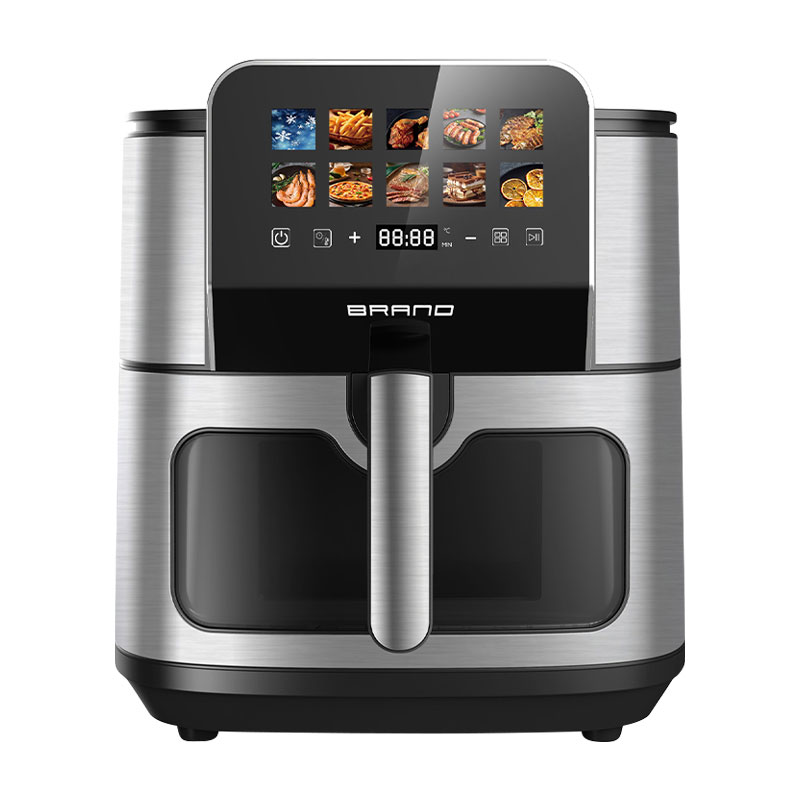
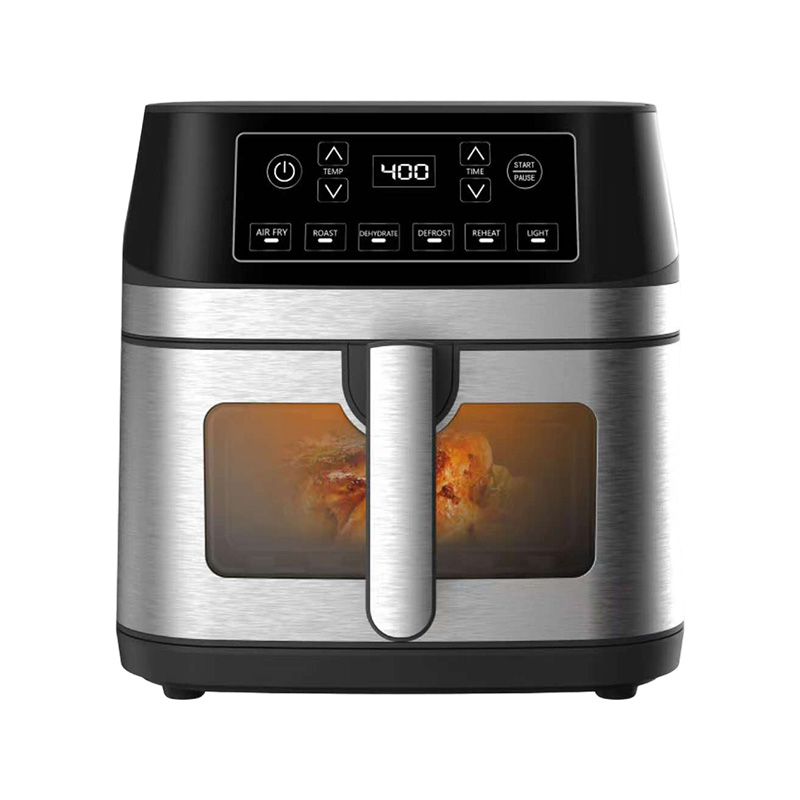
For most households, the model that covers these five recipes without unnecessary complexity is the GSE030 — a mechanically controlled basket unit that delivers dependable, repeatable heat. It is the unit we recommend when a customer asks for one appliance that simply works.
 GSE030 Air Fryer with Digital Touchscreen and Multiple ModesRecommended for households seeking a dependable, easy-to-use air fryer. Features a 4-liter capacity, digital touchscreen, and preset modes for baking, grilling, and defrosting, ensuring consistent results.View Product →
Technique: What Separates Great Results From Good Ones
We have seen the same batch of fries come out differently in two units from the same production run, purely because one cook preheated the basket and the other did not. Technique is not a substitute for good hardware, but it is what turns good hardware into consistent results.
- Preheat for three to four minutes. A cold heating element cannot crisp a moist surface fast enough, so the food steams during the first minutes of the cycle.
- Shake or flip at the midpoint. The surfaces resting against the basket need to face the airflow for the second half.
- Load in a single layer with gaps. Where pieces touch, they steam. Cook in batches when the quantity exceeds the basket.
- Apply a thin, even oil film. Spray or brush; poured oil pools at the bottom and burns during longer cycles.
- Trust visual doneness, not just the timer. Actual temperature can vary between models by 10–20 °C depending on calibration and load. Look for colour and texture in the final minutes.
Preheating is the single highest-impact habit. A three-minute empty warm-up removes most of the temperature lag at the start of the cycle and shortens total cooking time by roughly 10 to 15 percent.
When Capacity Changes the Equation
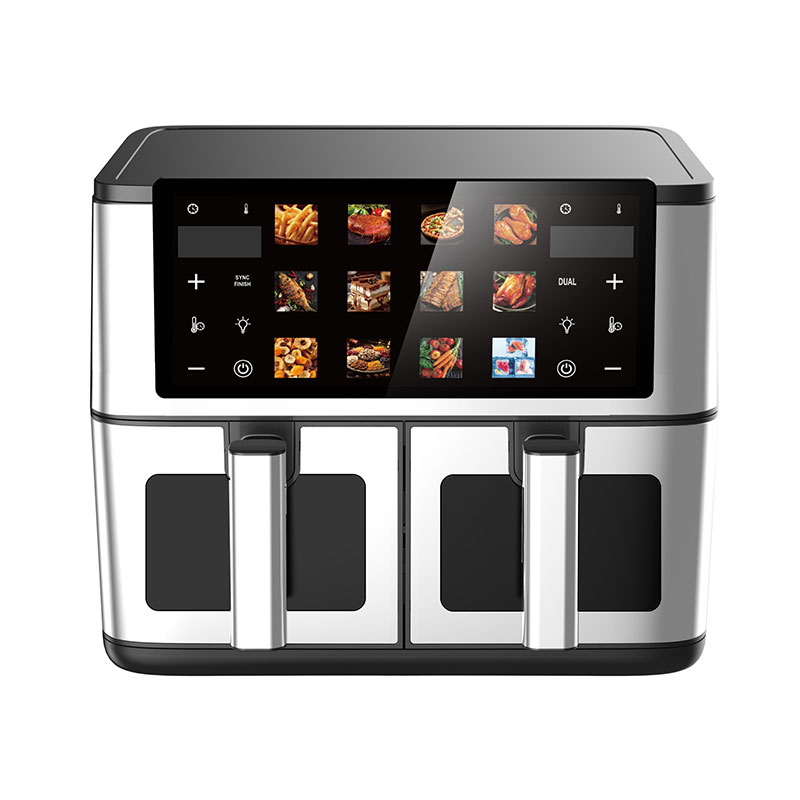
The recipes above assume a 4 to 6 litre basket, which serves two people comfortably. For a household of four, the same quantities exceed the basket, forcing batches that turn a 20-minute recipe into a 40-minute process. More capacity helps, but the bigger upgrade is independent cooking zones: two baskets with separate temperatures and timers let you run fries at 200 °C and salmon at 180 °C at the same time, and finish both at the same moment.
That is why dual-basket layouts have become a fixture in family-focused kitchens. They solve the most common practical complaint about air-fryer cooking — that only one part of the meal gets cooked at once.
Batch cooking tip: Keep the first batch warm at 80 °C while the second batch cooks; the dry moving air holds the crust better than a covered oven dish.
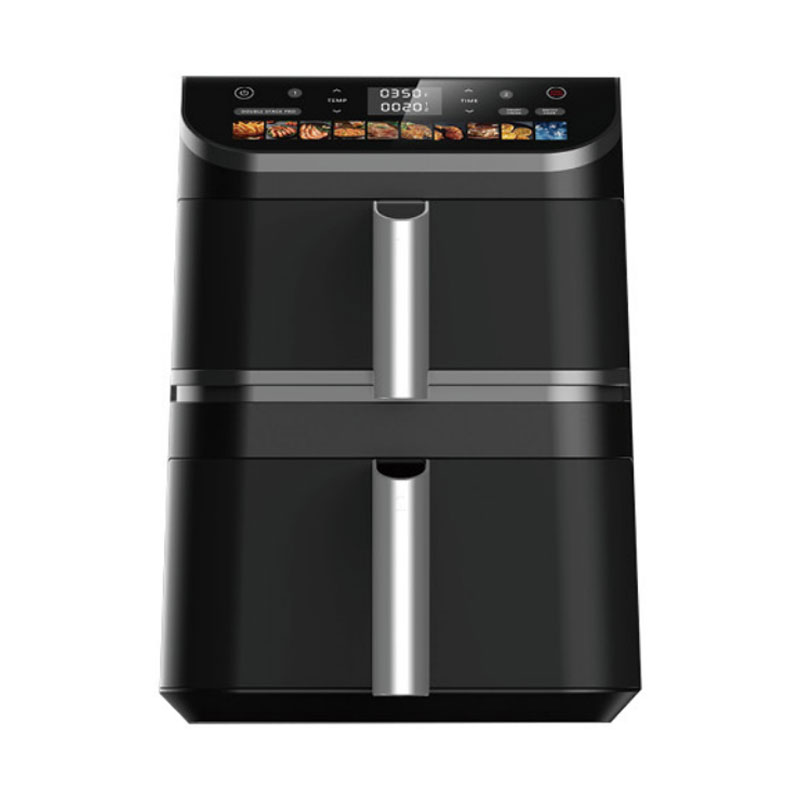
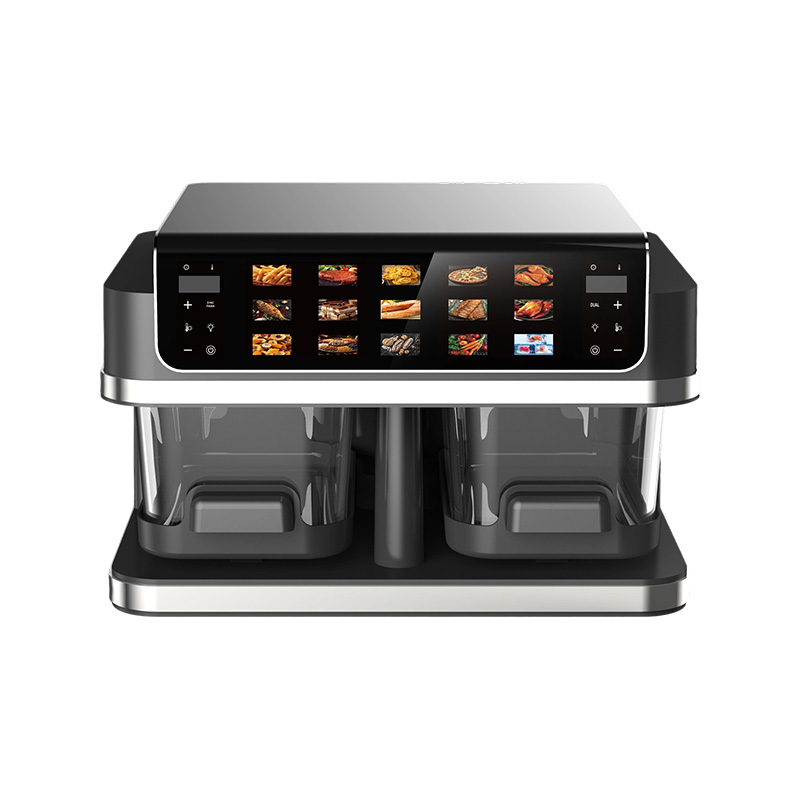
Among our current range, the GSE051 addresses this scenario with two independently controlled baskets, so two recipes — two temperatures, two timers — run in parallel.
 GSE051 Dual-Basket Air Fryer for Simultaneous CookingDesigned for cooking two recipes at once with independent temperature and timer controls. Two 5.6L baskets, 2400W power, and certified for household or commercial use.View Product →
From the Production Line: What We Check First
As a manufacturer of small kitchen appliances, we test every new air fryer design with recipes before it goes into production. If a test batch of fries browns unevenly, the fan shroud or element position needs revision. If salmon comes out dry, the thermostat may be reading incorrectly at lower temperatures. These checks are consistent across models, and they explain the specifications that matter most on any product page:
| Check | Why it matters | Failing threshold |
|---|---|---|
| Heating element output | Determines how quickly temperature recovers after food is loaded | Below 1200 W in a 4–5 L unit means slow rebound |
| Fan performance | Drives the circulation that creates crisp surfaces | Insufficient airflow leads to uneven browning |
| Basket floor design | Controls whether air reaches the underside of food | A solid floor traps moisture under the food |
| Thermostat accuracy | Keeps set temperature aligned with actual heat | More than ±15 °C deviation gives burnt or raw results |
So when a recipe says 190 °C for 26 minutes, what really matters is how close the basket comes to 190 °C and how quickly it returns there after cold food is added. That is the engineering hidden inside every air-fryer recipe — and why two units can produce different results from the same instructions.
Every unit in the lineup has passed the recipe tests described above.
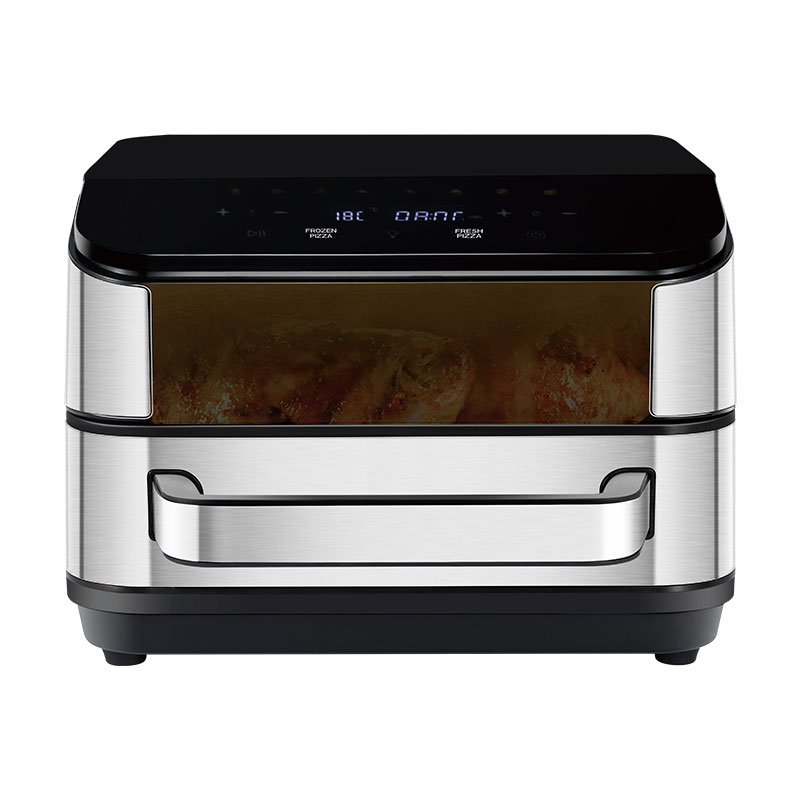
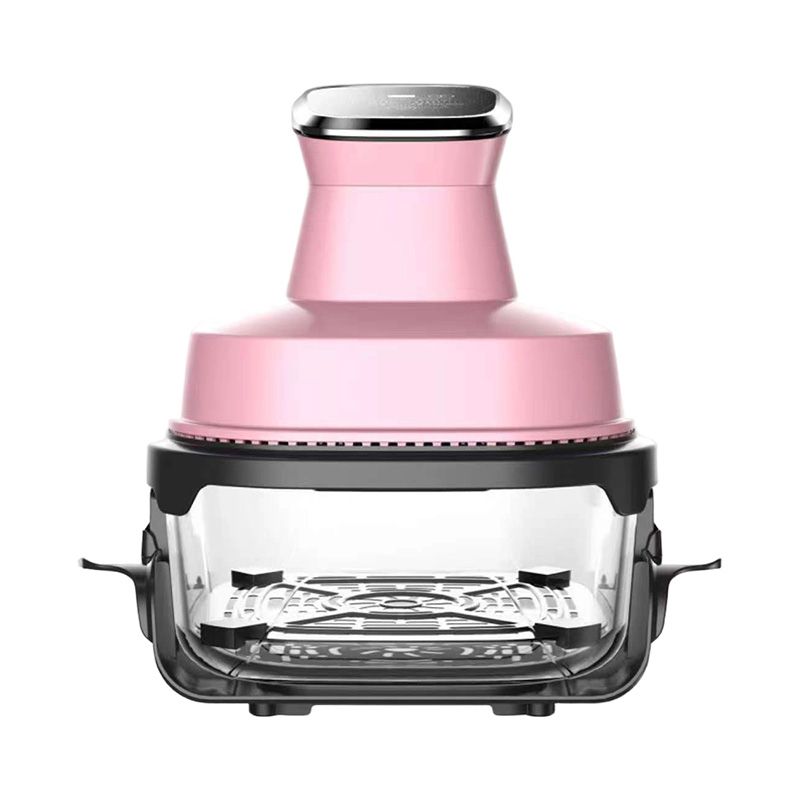
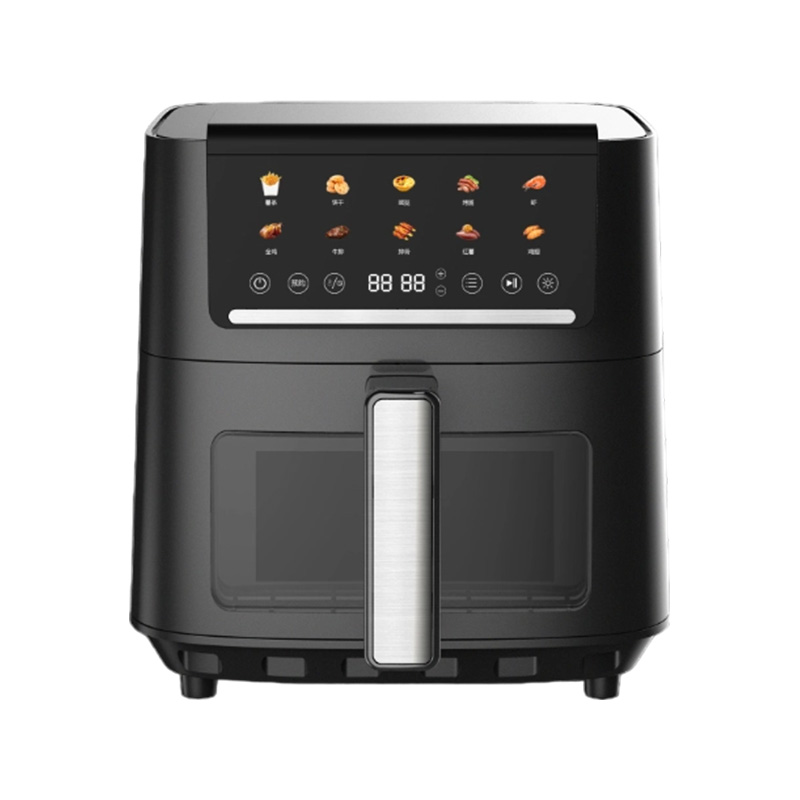
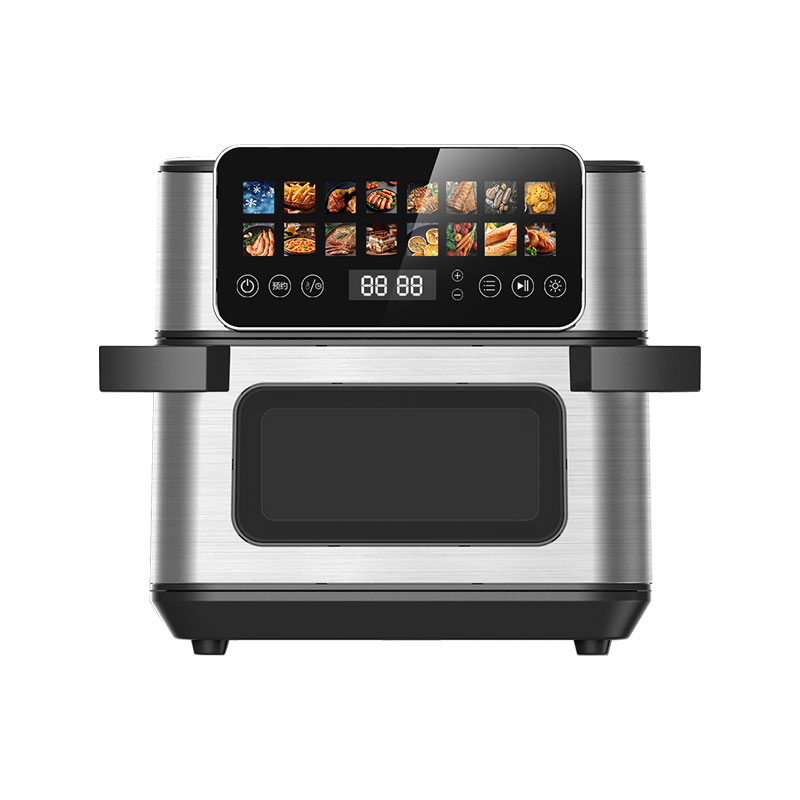
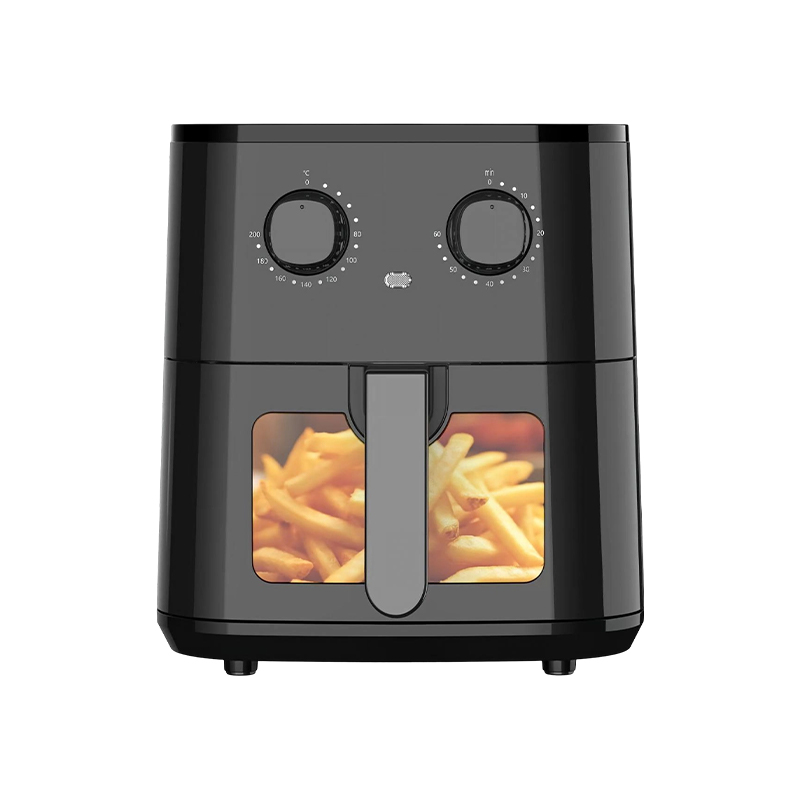 Gstar Air Fryer Product Line for Wholesale BuyersA range of air fryer models from a certified manufacturer, all passing consistent recipe tests. Features include one-touch presets, oil-free frying, and multifunctional cooking for crispy, juicy results.View Product →
Air fryer recipes are not complicated. They reward a stable temperature, honest portioning, and a flip at the midpoint. When those fundamentals are handled by design — a strong element, even airflow, and a basket that is easy to reach and clean — the same recipes come out right every time. That consistency is what turns an occasional appliance into a daily cooking habit.