
 English
 中文简体
中文简体 Español
 English
 中文简体
中文简体 Español
If you are wondering whether an electric air fryer truly reduces oil compared to a deep fryer, the answer is a clear yes — and the difference is substantial. A traditional deep fryer typically requires 2 to 4 cups of oil per cooking session, while an electric air fryer needs little to no oil at all — often just a light spray of less than half a teaspoon. That translates to a reduction in fat content of up to 70–80% in the finished food, depending on the recipe and cooking method.
This is not just marketing claim. Multiple nutritional comparisons of deep-fried versus air-fried foods have demonstrated measurable differences in total fat and calorie content. For everyday users focused on healthier eating without sacrificing crunch and flavor, the electric air fryer has become one of the most practical kitchen tools available today.
How an Electric Air Fryer Works — And Why It Needs Less Oil
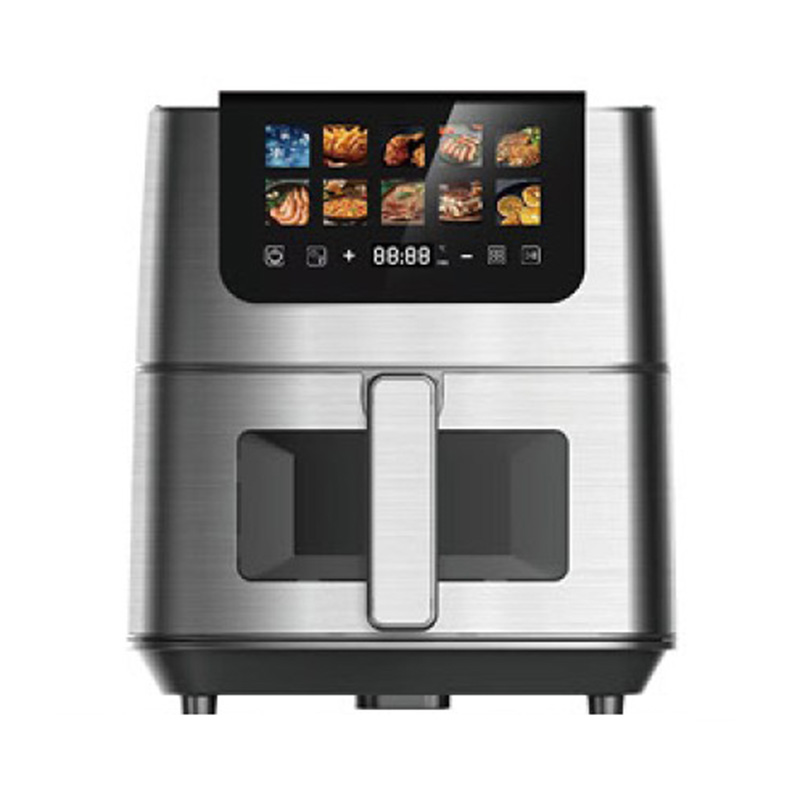
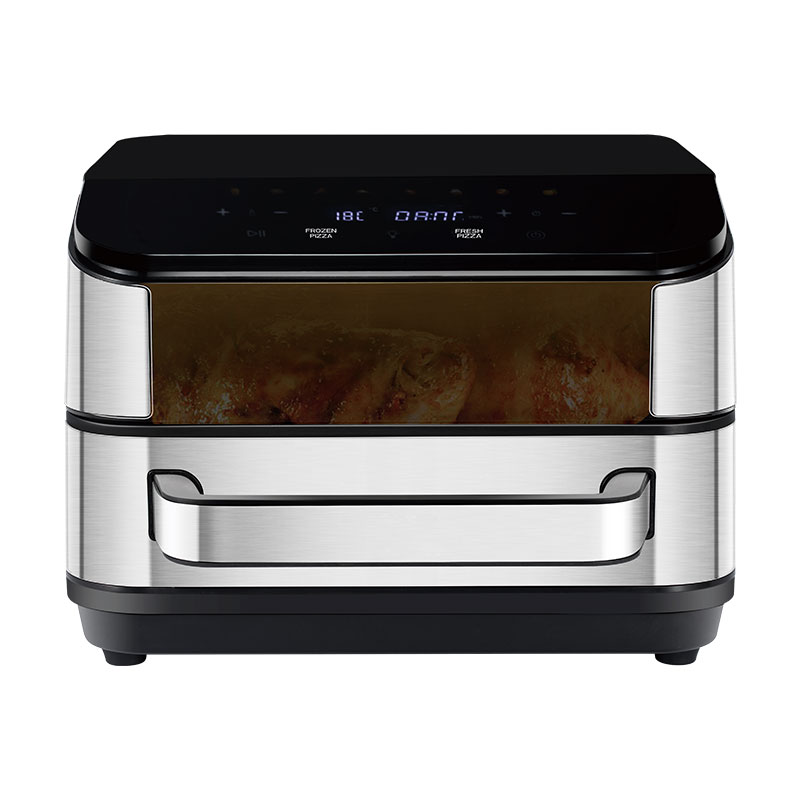
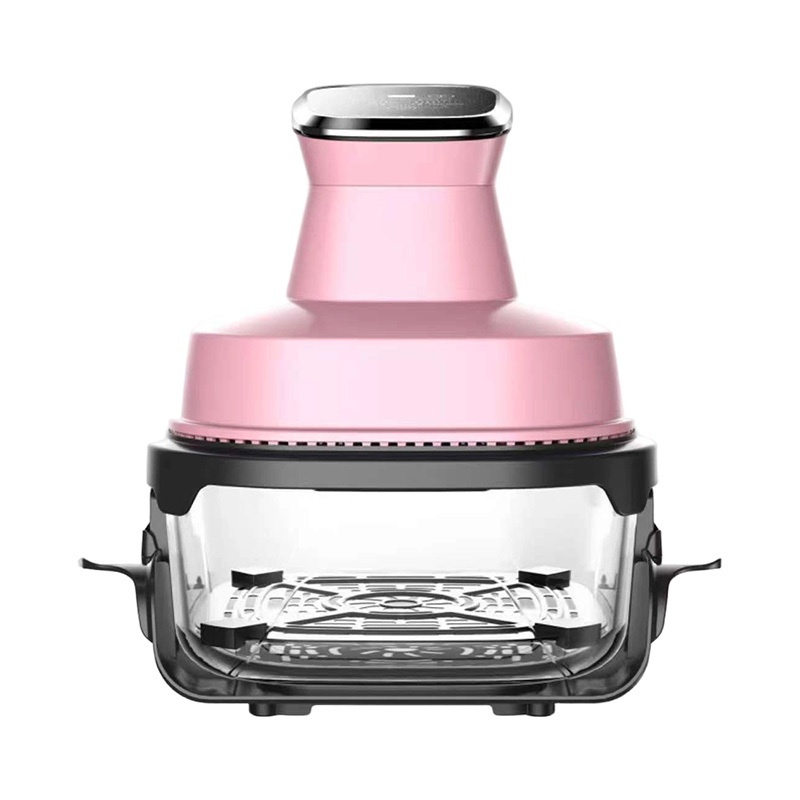
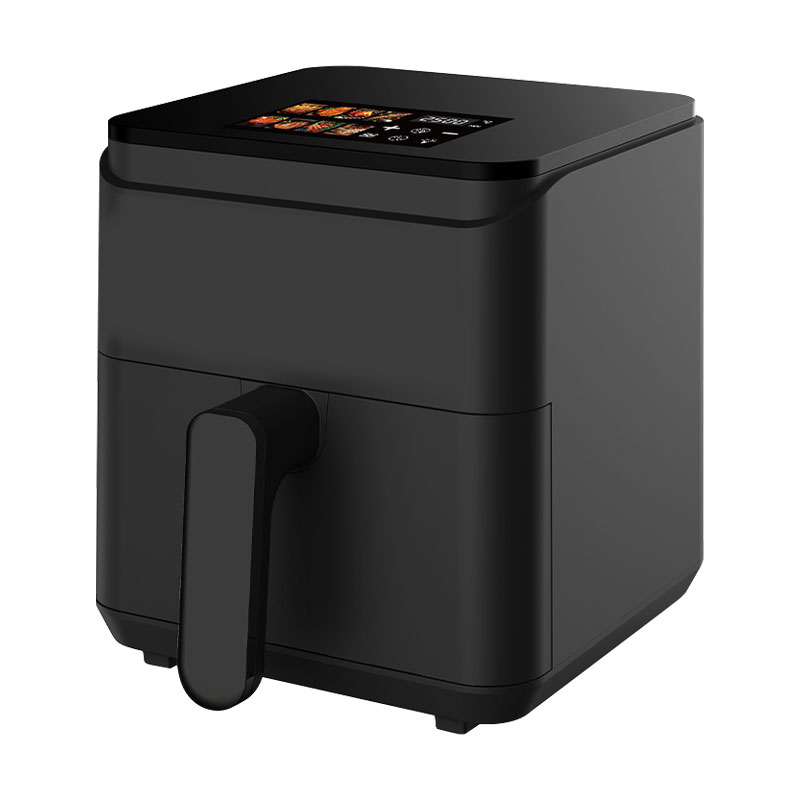
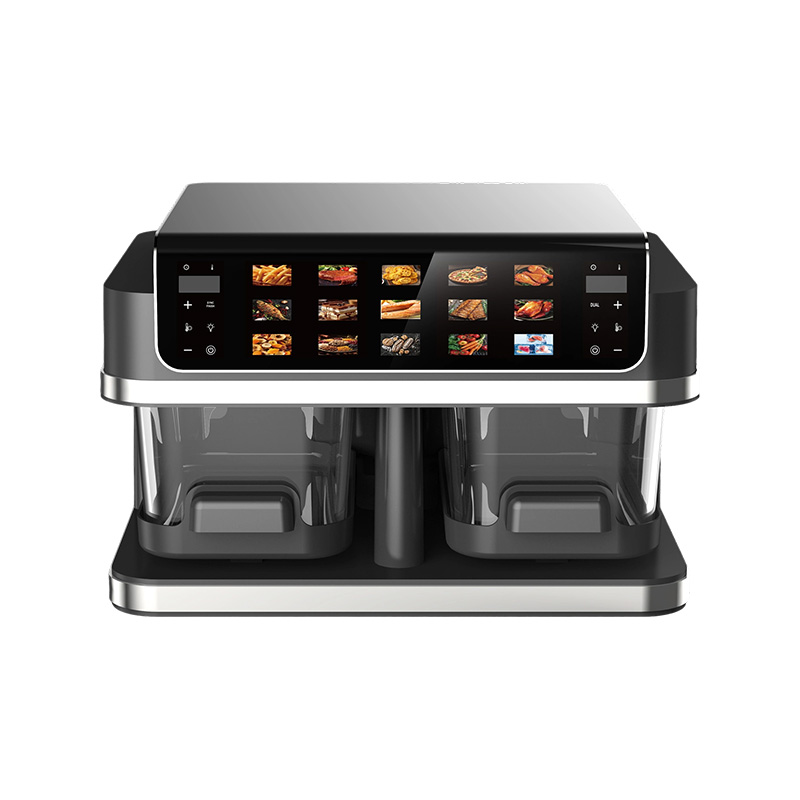
An electric air fryer uses rapid hot air circulation technology — often called Rapid Air Technology — to cook food. A powerful heating element and high-speed fan work together to circulate air at temperatures typically ranging from 180°F to 400°F (82°C to 205°C). This superheated air surrounds the food on all sides, creating a crispy outer layer through the Maillard reaction, the same chemical process that gives deep-fried food its golden, crunchy texture.
Because the heat is applied evenly and efficiently from all directions, there is no need to submerge food in oil. A very thin coat of oil — often applied directly to the food or the air fryer basket — is enough to promote browning and prevent sticking. This is the fundamental reason oil consumption drops so dramatically.
In contrast, a deep fryer works by immersing food completely in hot oil, which acts as the heat transfer medium. This method is fast and effective for texture, but it also means the food absorbs a significant portion of that oil during cooking — contributing to both higher calorie counts and greater saturated fat intake.
Side-by-Side Oil and Calorie Comparison
To make the difference concrete, here is a comparison of common foods prepared in both an electric air fryer and a deep fryer:
| Food Item | Deep Fryer (Calories) | Electric Air Fryer (Calories) | Fat Reduction |
|---|---|---|---|
| French Fries (100g) | ~312 kcal | ~180 kcal | ~42% |
| Chicken Wings (4 pieces) | ~480 kcal | ~290 kcal | ~40% |
| Breaded Fish Fillet (1 piece) | ~350 kcal | ~220 kcal | ~37% |
| Mozzarella Sticks (6 pieces) | ~430 kcal | ~270 kcal | ~37% |
These figures illustrate that across a wide range of foods, cooking with an electric air fryer consistently results in 30% to 75% less fat absorption compared to deep frying, depending on the food type, batter thickness, and cooking time.
Health Implications of Reducing Oil Intake
Reducing oil consumption in cooking is directly tied to a number of meaningful health benefits. When you consistently choose an electric air fryer over a deep fryer, you are likely to:
- Consume fewer calories per meal, which supports healthy weight management over time
- Lower your intake of saturated and trans fats, which are associated with elevated LDL cholesterol and cardiovascular disease risk
- Reduce exposure to acrylamide, a potentially harmful compound that forms at high oil temperatures during deep frying — studies suggest air frying can reduce acrylamide levels by up to 90%
- Benefit from better long-term metabolic health markers, including improved blood sugar regulation
It is worth noting that the electric air fryer does not eliminate all fat from the equation — the fat naturally present within the food itself remains. However, by eliminating absorbed cooking oil, total dietary fat per serving is meaningfully reduced, making it a smarter everyday choice for health-conscious households.
Does Reducing Oil Affect Taste and Texture?
This is the most common concern users raise, and it deserves an honest answer. In blind taste tests and user reviews, the majority of people rate electric air fryer results as very close to deep-fried equivalents — particularly for foods like French fries, chicken wings, spring rolls, and breaded items. However, there are nuances:
Where the Electric Air Fryer Excels
- Frozen foods (fries, nuggets, fish sticks) often come out just as crispy or crispier due to consistent hot air distribution
- Reheated foods retain crunch far better than a microwave, and often better than a conventional oven
- Skin-on proteins like chicken thighs or drumsticks develop excellent skin crispiness without any added oil
Where the Deep Fryer Still Has an Edge
- Foods with very wet or heavy batter (like tempura or beer-battered fish) do not crisp as uniformly in an air fryer
- Some fried doughs (like donuts or churros) benefit from full oil immersion for their characteristic puffy interior
- The deep, rich oil-infused flavor that characterizes some traditional fried dishes is difficult to replicate with air alone
For the vast majority of everyday cooking scenarios, the electric air fryer delivers results that are indistinguishable or close enough to deep-fried food that most users are fully satisfied. Proper use of the air fryer basket — including not overcrowding it — is key to achieving even browning and maximum crispiness.
Practical Tips to Maximize Oil Reduction in Your Electric Air Fryer
Getting the best results with minimal oil in your electric air fryer comes down to a few consistent practices:
- Use a light oil spray instead of pouring oil — a quick spritz of oil over the food or directly into the air fryer basket is enough to promote browning without unnecessary fat addition.
- Pat food dry before cooking — moisture on the food surface causes steaming rather than crisping. Drying chicken pieces or vegetables beforehand dramatically improves the texture.
- Do not overcrowd the basket — single-layer cooking allows hot air to circulate freely around each piece, resulting in more even and efficient cooking with less need for additional oil.
- Shake or flip halfway through cooking — this ensures all surfaces are exposed to the circulating air equally, preventing uneven spots that might seem undercooked and tempt users to add more oil.
- Choose the right temperature — most crispy foods benefit from a range of 375°F to 400°F (190°C to 205°C). Cooking too low can result in soft textures, leading users to incorrectly assume the fryer needs more oil.
Operating Costs: Oil Savings Beyond the Plate
The oil savings from using an electric air fryer extend beyond health — they also represent real financial savings. Consider that a standard deep fryer requires an oil change every 8 to 10 uses, consuming approximately 2–4 liters of cooking oil per refill. At an average cost of $5–$10 per liter for quality cooking oil, a regular deep fryer user might spend $15–$40 on oil per month in a busy household.
With an electric air fryer, monthly oil usage often amounts to a single bottle of oil spray lasting several months. For households that cook fried foods three to five times per week, the cumulative savings can easily reach $150–$400 per year. This makes the electric air fryer not just a healthier choice, but a more economical one for long-term household management.
Choosing the Right Electric Air Fryer for Your Needs
Not all electric air fryers perform equally in terms of oil efficiency, cooking consistency, and build quality. When selecting a model, consider the following factors:
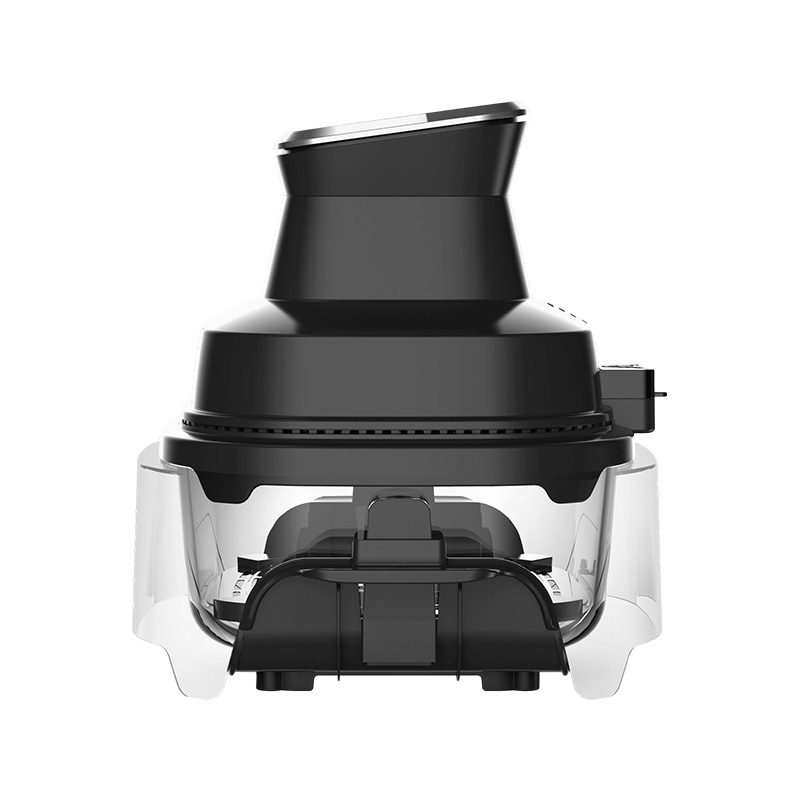
- Basket design: A well-designed air fryer basket with a perforated or mesh base allows maximum airflow beneath the food, which is critical for crisping without oil. Look for baskets with a wide surface area and non-stick coating for easy cleanup.
- Wattage: Higher wattage models (1500W–1800W) heat faster and maintain consistent temperatures, which means less cooking time and less chance of food sitting in residual heat that can cause uneven results.
- Capacity: For a family of four, a 5–6 quart electric air fryer is generally recommended. Overcrowding a smaller unit forces multiple batches, which can inadvertently lead users to add oil to speed up results.
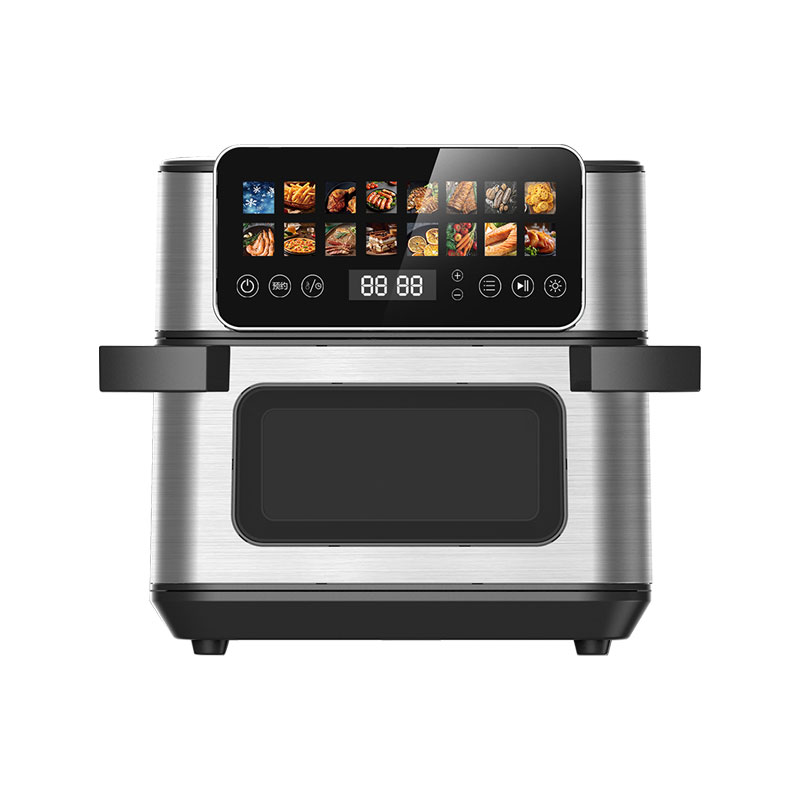
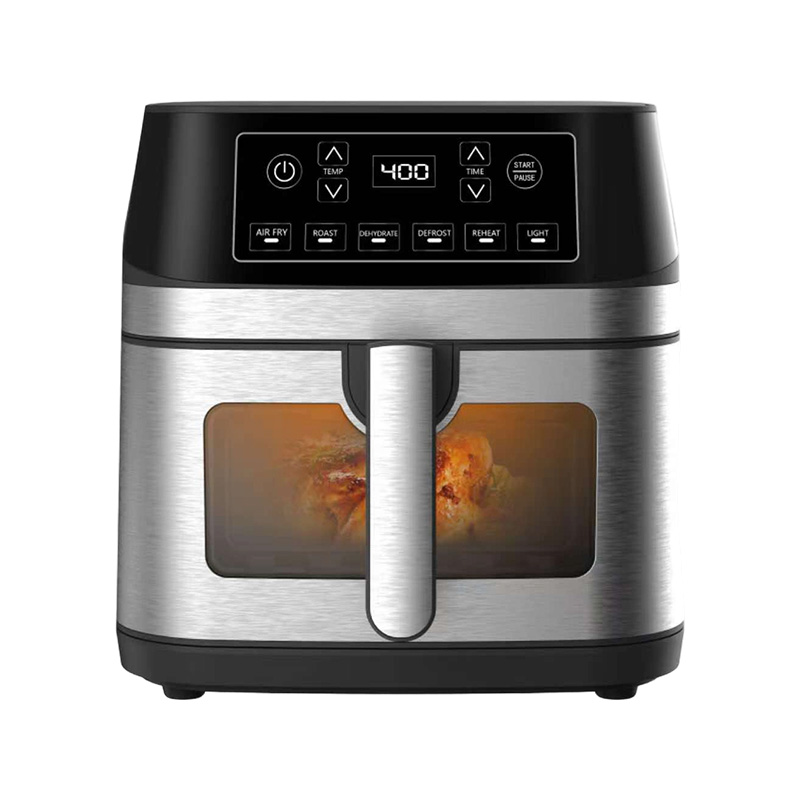
- Temperature precision: Digital control models with specific degree increments allow more accurate cooking and better texture outcomes without needing oil to compensate for temperature inconsistency.
The evidence is clear and consistent: an electric air fryer significantly reduces oil usage compared to a deep fryer — by 70% to 80% on average — while still delivering crispy, satisfying results for the overwhelming majority of everyday fried foods. The health benefits are meaningful, the cost savings are real, and the practical advantages in terms of cleanup, safety, and kitchen convenience make it a compelling upgrade.
For households that regularly consume fried foods but want to make smarter nutritional choices without giving up texture and flavor, the electric air fryer is one of the most impactful appliance investments available today. While the deep fryer retains a narrow advantage for specific battered or dough-based recipes, for general everyday use, the electric air fryer is the clear winner in terms of oil reduction, health outcomes, and long-term value.