
 English
 中文简体
中文简体 Español
 English
 中文简体
中文简体 Español
The air fryer with a dehydrator function does retain more nutrients in vegetables than a basic air fryer — but only when you use the dehydrator mode rather than the standard air fry mode. The key difference lies in temperature and cooking time. Dehydration operates at low temperatures (typically between 95°F and 175°F / 35°C–80°C), which preserves heat-sensitive vitamins far more effectively than the high-heat air frying cycle (typically 350°F–400°F / 175°C–200°C) used in a basic air fryer.
Research in food science consistently shows that heat-sensitive vitamins such as Vitamin C and B-complex vitamins can lose 15%–50% of their content during high-temperature cooking. Dehydration, by contrast, removes moisture slowly without destroying cellular structures, keeping more of the vegetable's original nutritional profile intact.
How Cooking Temperature Affects Nutrient Retention
The relationship between heat and nutrient loss is well-documented. When cooking vegetables at high temperatures — as a basic air fryer does — several important compounds break down rapidly:
- Vitamin C (Ascorbic Acid): Begins degrading above 140°F (60°C); losses can reach 30%–50% during standard air frying.
- B Vitamins (B1, B6, B9): Water-soluble and highly temperature-sensitive; up to 40% loss at air fry temperatures.
- Antioxidants (Polyphenols): Partially degrade above 300°F (149°C).
- Enzymes: Most are destroyed above 118°F (48°C) at prolonged exposure.
Dehydrator mode, operating at 105°F–155°F (40°C–68°C), allows moisture evaporation at a pace that largely preserves these compounds. Studies suggest dehydrated vegetables can retain up to 80%–90% of their original Vitamin A and mineral content, while Vitamin C retention sits around 50%–70% — still notably better than high-heat cooking methods.
Side-by-Side Comparison: Air Fryer with Dehydrator vs Basic Air Fryer
The table below illustrates the estimated nutrient retention differences between the two cooking approaches when preparing common vegetables:
| Nutrient | Basic Air Fryer (375°F) | Air Fryer with Dehydrator (130°F) |
|---|---|---|
| Vitamin C | 50%–70% | 70%–85% |
| Vitamin B1 (Thiamine) | 55%–65% | 75%–88% |
| Vitamin A | 70%–80% | 85%–92% |
| Antioxidants (Polyphenols) | 60%–72% | 78%–90% |
| Minerals (Iron, Calcium) | 85%–90% | 90%–97% |
Key Features That Make the Air Fryer with Dehydrator Function Superior for Nutrition
Dual Temperature Range Control
A quality air fryer with dehydrator function offers a broad temperature spectrum — from as low as 95°F for gentle herb drying all the way up to 450°F for fast, crispy cooking. This flexibility means users can choose the ideal temperature for each specific food rather than being locked into a single high-heat cooking mode. A basic air fryer typically only offers 170°F–450°F, giving no low-heat dehydration option at all.
Multi-Layer Rack System
Many air fryers with dehydrator functions include stackable mesh racks or dehydration trays. This allows users to process large batches of vegetables simultaneously at low heat, making the appliance particularly useful as the best air fryer for large family settings where volume and nutritional efficiency both matter.
Extended Cook Time Programming
Dehydration requires hours, not minutes. An air fryer with dehydrator capability typically supports cook times of up to 24 hours — far beyond the 60-minute limit on most basic air fryers. This makes it possible to slowly dry kale chips, zucchini slices, or tomatoes overnight while preserving their full nutritional value.
Practical Use Cases: When Each Appliance Makes Sense
Understanding which mode or appliance to use depends on your cooking goals:
- Use the dehydrator function when making dried vegetable snacks, fruit leathers, herb powders, or meal-prep ingredients where maximum nutrient retention is the goal.
- Use the standard air fry function for everyday meals — roasted broccoli, sweet potato fries, or mixed vegetable medleys — where speed and texture take priority.
- Use a basic air fryer when budget is a primary concern and dehydration is not a priority in your cooking routine.
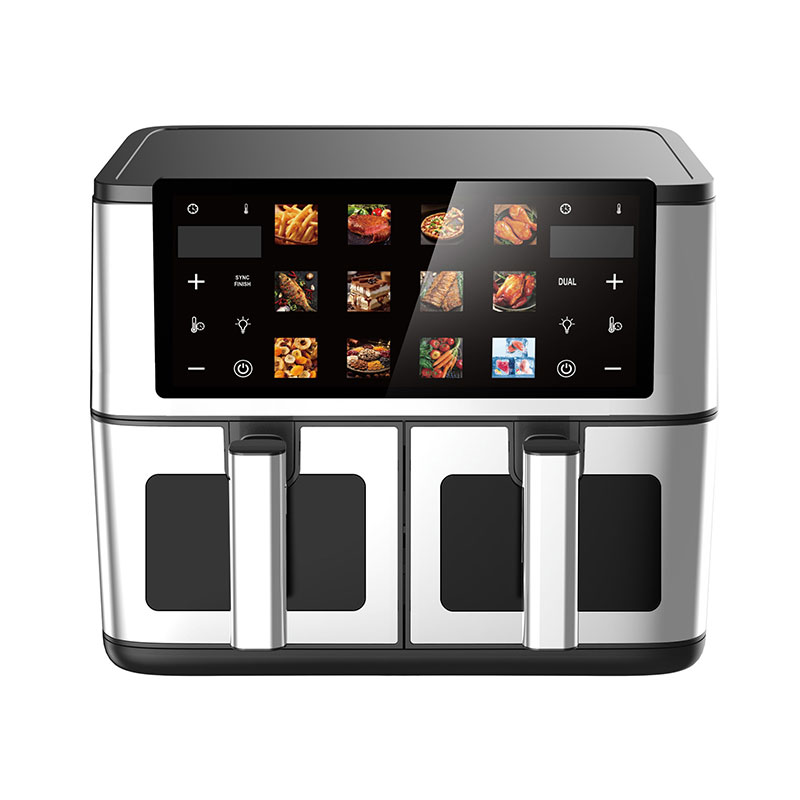
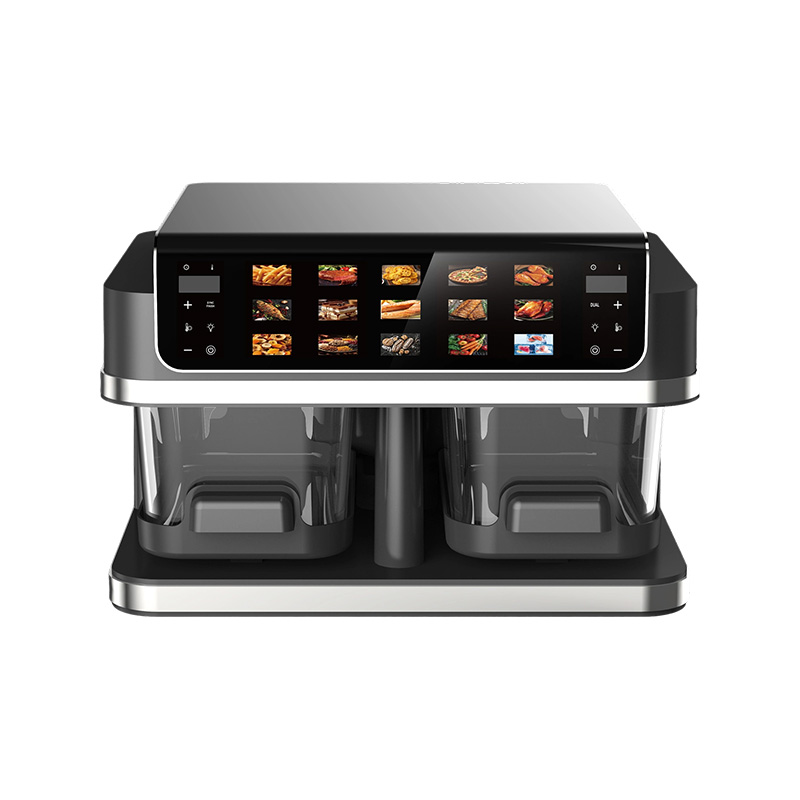
For households that cook frequently and in larger quantities, a dual air fryer 9L capacity model with built-in dehydrator features delivers exceptional value — offering enough interior space to dehydrate or air fry multiple servings simultaneously without sacrificing cooking quality or nutritional benefit.
Is the Air Fryer with Dehydrator Function Worth the Extra Cost?
Models with a dehydrator function typically cost $30–$80 more than comparable basic air fryers. Given the added functionality — dehydration, fermentation-temp holds, larger capacity racks — the investment is well justified for households that prioritize nutrition, meal prepping, or making homemade snacks.
If you are searching for the best air fryer for large family use with nutritional cooking in mind, an air fryer with dehydrator mode eliminates the need to purchase a separate standalone dehydrator (which can cost $50–$150 on its own). The combined appliance ultimately saves both counter space and money.
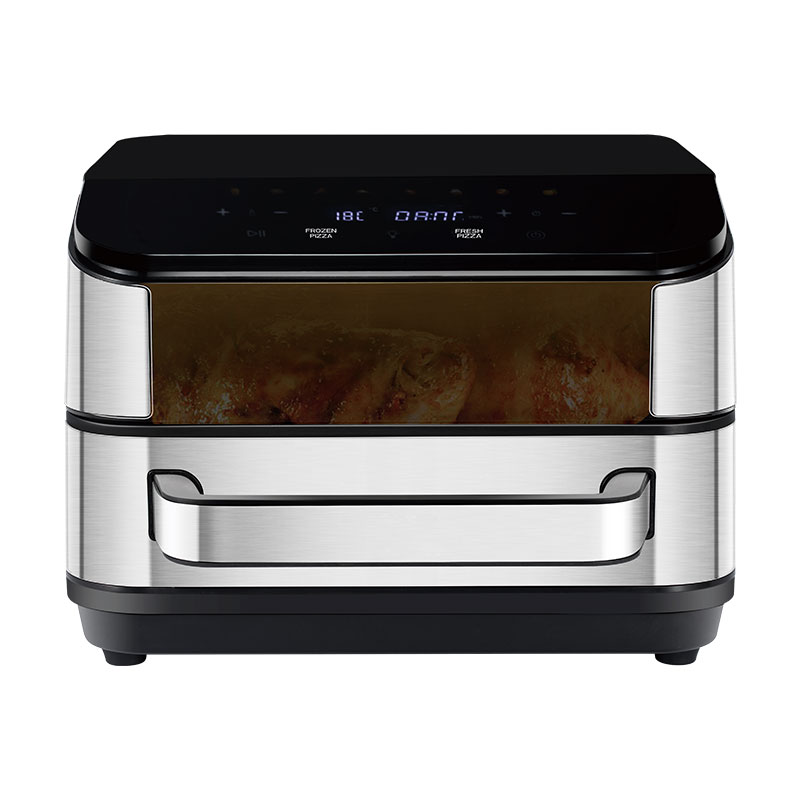
For families cooking multiple dishes at once, a dual air fryer 9L with dehydrator capability provides the most practical solution — two independent cooking zones paired with the option to slow-dehydrate vegetables, herbs, or jerky at low temperatures. This kind of versatile unit genuinely replaces two or three separate kitchen appliances.
- Use dehydrator mode for snacks and meal-prep ingredients whenever nutrient preservation is a priority over cooking speed.
- Keep air fry temperatures at or below 350°F for vegetables to reduce heat-related vitamin loss during standard cooking.
- Avoid overcooking — shorter cook times at moderate temperatures preserve more nutrients than long sessions at maximum heat.
- Cut vegetables into uniform pieces to ensure even heat distribution and prevent certain pieces from over-cooking while others remain underdone.
- Do not rinse vegetables after cooking — water-soluble vitamins can be washed away along with surface residue.
- Store dehydrated vegetables in airtight containers immediately after processing to prevent moisture re-absorption and oxidation-related nutrient loss.