
 English
 中文简体
中文简体 Español
 English
 中文简体
中文简体 Español
Kitchen Safety & Appliance Guide
A clear, evidence-based comparison of everyday frying methods — built for households where safety around children isn't optional, it's the whole point.
The Direct Answer: Air Fryers Are Safer for Homes With Children
For households with young children, an air fryer is the safer choice compared to a traditional deep fryer. The reason comes down to three physical realities: no open pool of hot oil, cooler exterior surfaces during operation, and a fully enclosed cooking chamber that reduces splatter and burn risk. Traditional deep fryers rely on several liters of oil heated to 350–375°F (177–190°C), and that oil remains a serious hazard until it fully cools, sometimes for over an hour after cooking ends. An air fryer, by contrast, uses a small amount of oil or none at all, circulating hot air through a basket that is contained on all sides. For a busy kitchen where kids and pets move around unpredictably, that difference is not a minor detail — it is the central safety distinction between the two appliances.
This does not mean deep fryers are unusable in a family setting, but it does mean they demand a much higher level of vigilance, physical barriers, and storage discipline. The sections below break down exactly where the risks come from, how each appliance behaves during normal use, and what practical steps can make either option safer in a home with children.
Why Hot Oil Is the Core Safety Problem
The single biggest risk factor in any kitchen with children is a large open container of hot liquid. A standard deep fryer holds anywhere from 1 to 4 liters of oil, and that oil stays scalding hot far longer than most people expect. A child who bumps a countertop, pulls on a cord, or reaches for a nearby object can knock over or splash a fryer basket, and the resulting burns are often severe because oil clings to skin and continues transferring heat after contact.
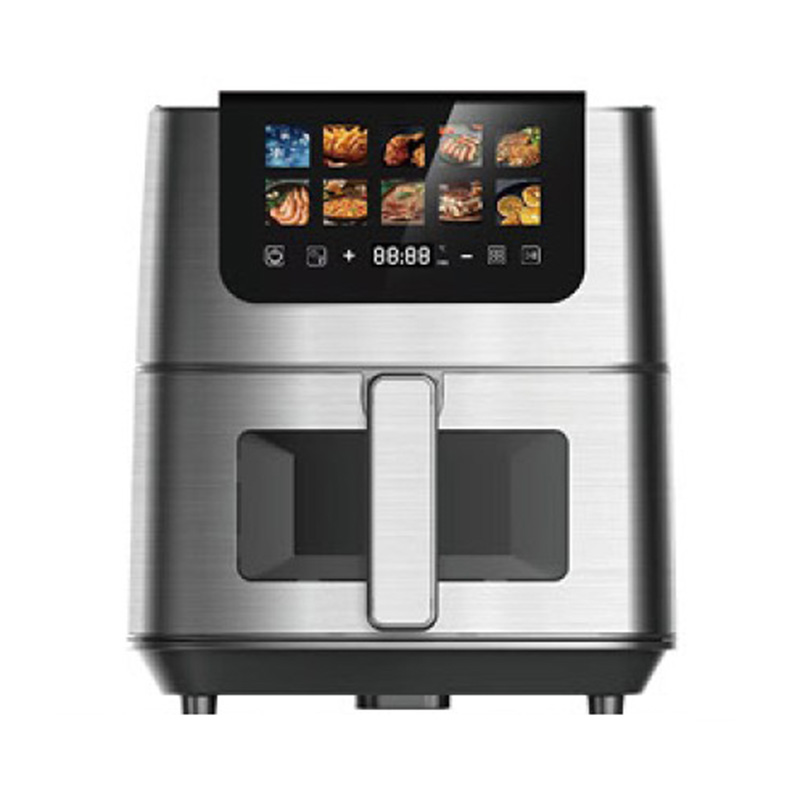
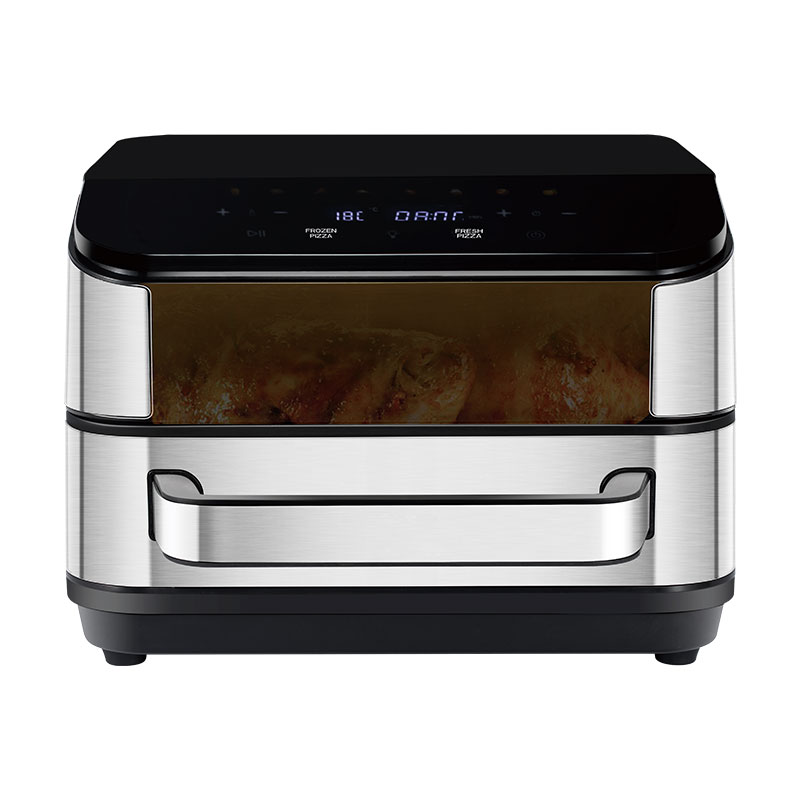
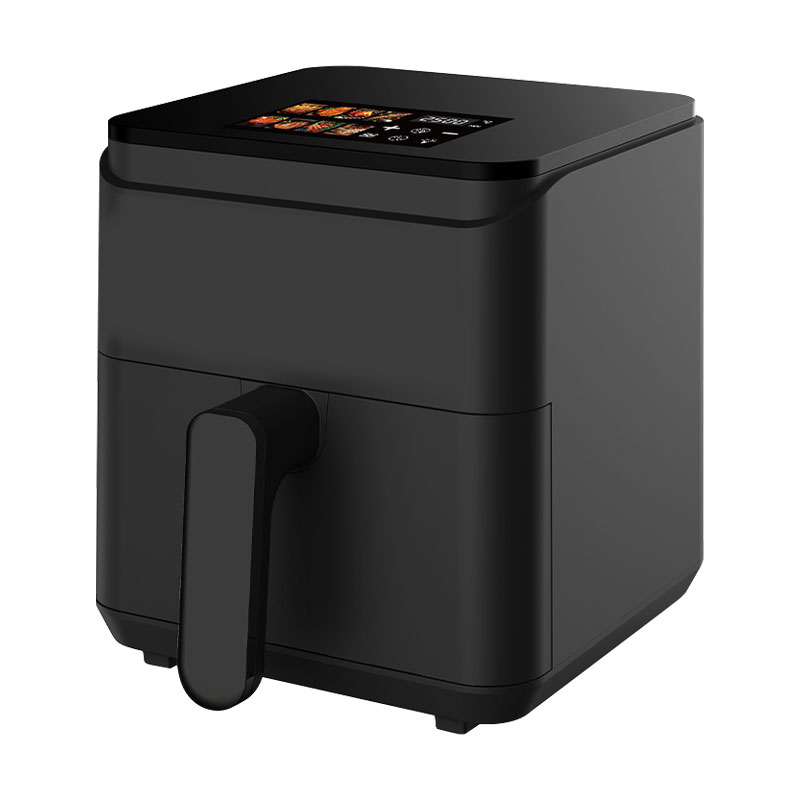
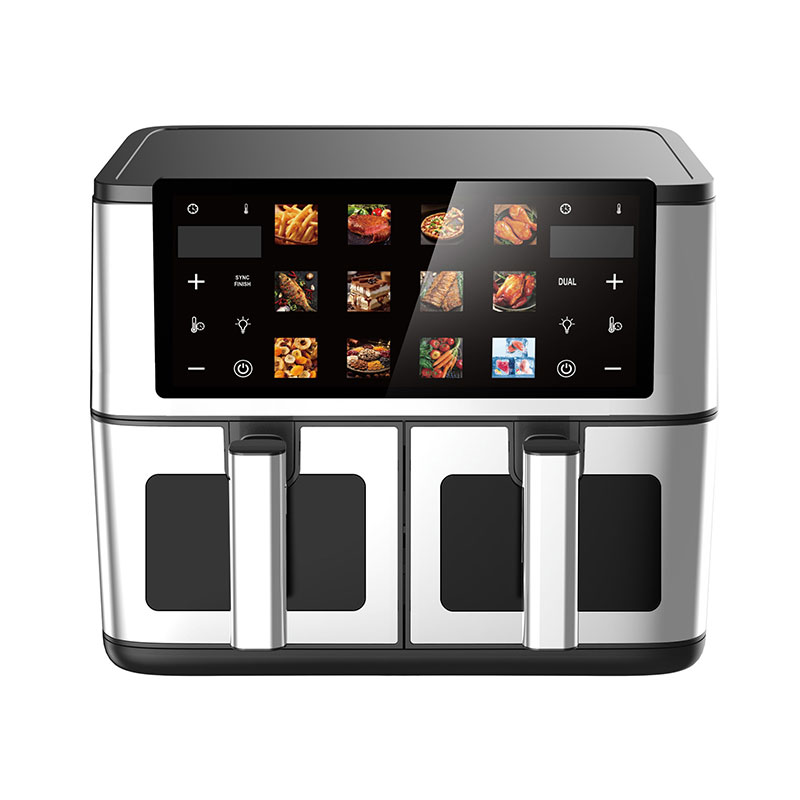
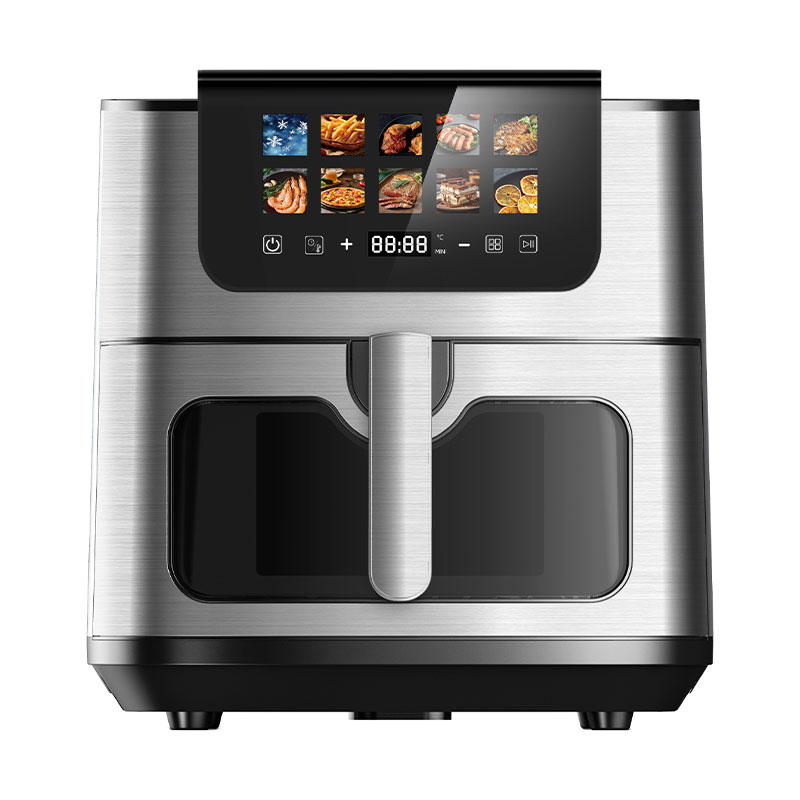
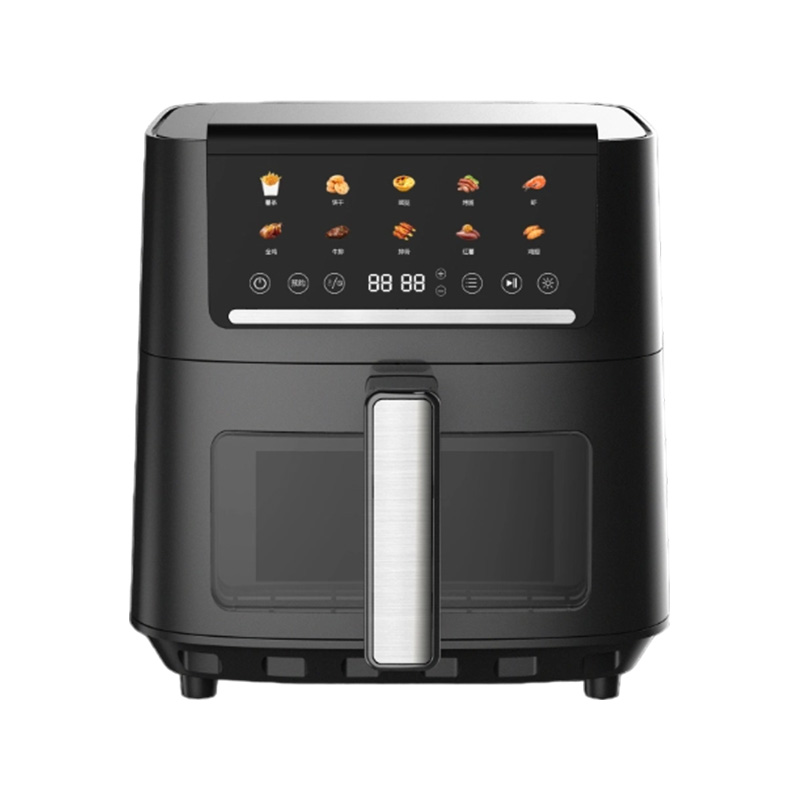
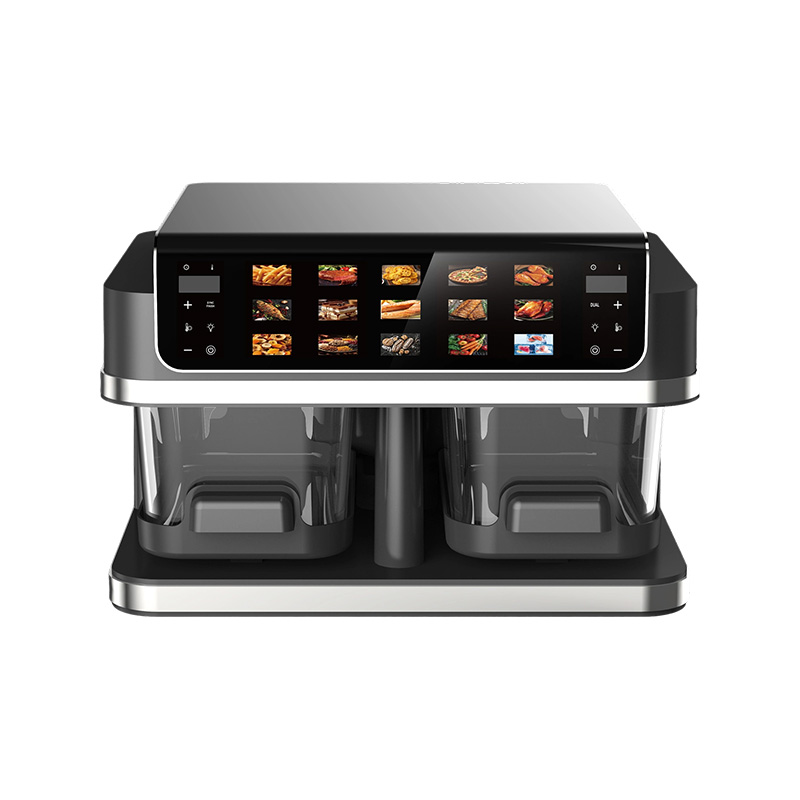
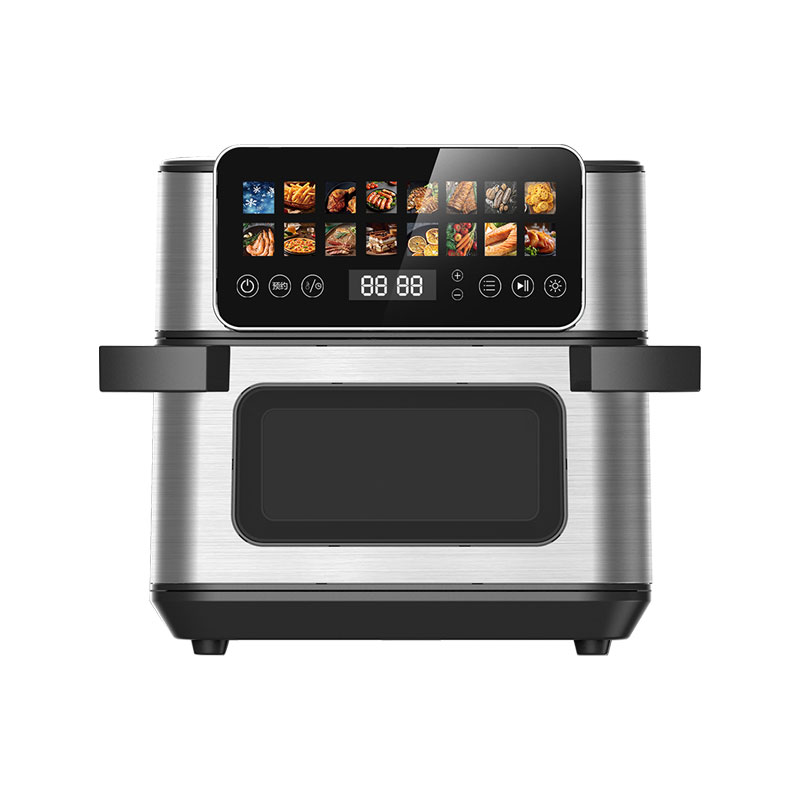
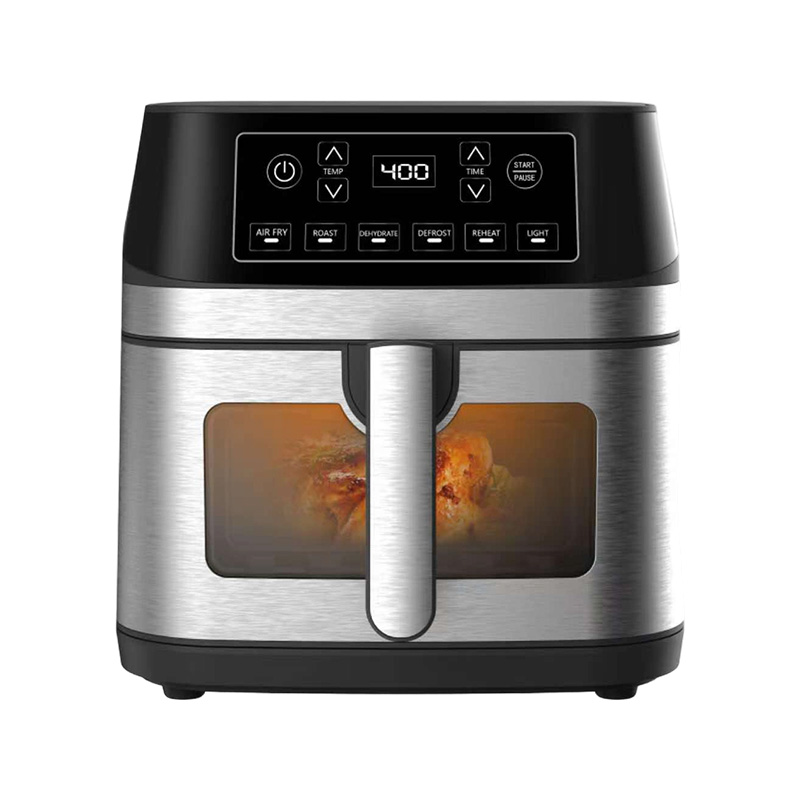
air fryer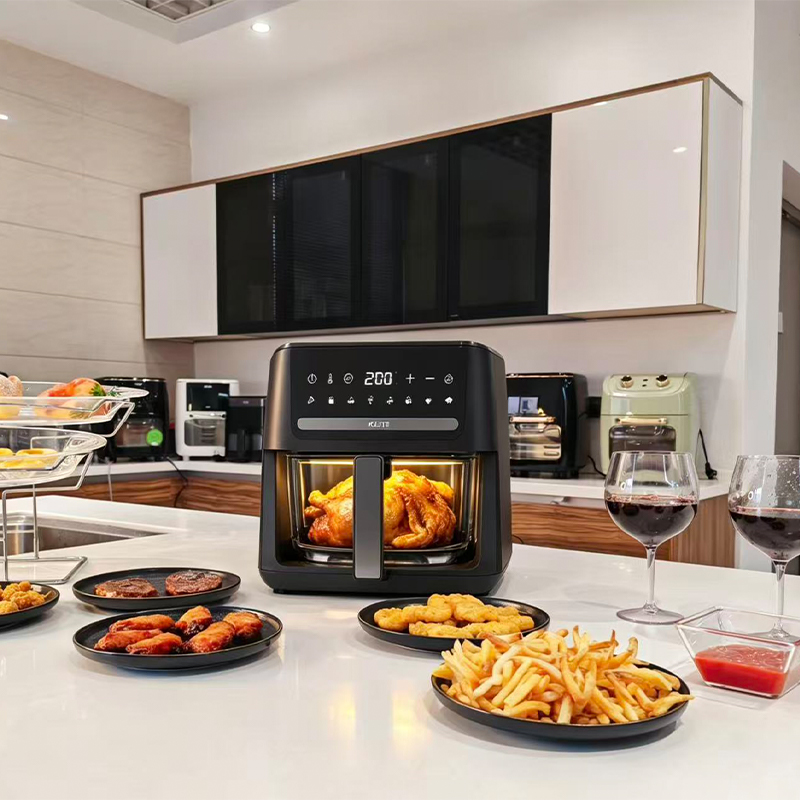
An air fryer eliminates this specific danger almost entirely. Because the appliance uses rapid air circulation instead of submerging food in liquid, there is no large reservoir of superheated oil sitting exposed on the counter. Even when a small amount of oil is used for crisping, it is contained within a covered basket, not an open vat. This structural difference is the main reason safety organizations and pediatric burn units consistently list stovetop and countertop deep frying as a higher-risk activity than dry or air-based cooking methods.
Comparing Surface Temperatures and Burn Risk
Exterior surface temperature is another major factor parents should weigh. Deep fryers, especially older or uninsulated models, can have exterior housings that reach uncomfortably high temperatures, and the lid or basket handle can retain heat well after the oil has been switched off. Air fryers are generally built with better exterior insulation because the appliance itself is designed for countertop use in tighter kitchen spaces, often near other objects.
| Factor | Air Fryer | Traditional Deep Fryer |
| Open hot liquid present | No | Yes, 1–4 liters |
| Typical oil temperature | 0–200°F if any oil used | 350–375°F |
| Cooldown time after use | 10–15 minutes | 45–60+ minutes |
| Splatter risk when disturbed | Low | High |
The extended cooldown period for deep fryer oil is often underestimated. Even after the heating element shuts off, the oil retains enough thermal energy to cause a serious burn for a considerable window of time, which is exactly when children are most likely to wander back into the kitchen looking for a snack.
Oil-related kitchen fires are disproportionately linked to frying activities — and the danger doesn't end when the burner turns off.
Fire and Smoke Risk Differences
Oil-related kitchen fires are disproportionately linked to frying activities. When oil is overheated past its smoke point or comes into contact with water, it can ignite or splatter violently, and attempting to extinguish an oil fire with water makes the situation dramatically worse. This is a real concern in households where a distracted parent might step away from a pot of hot oil to attend to a child.
Air fryers largely remove this risk category from daily cooking. Because there is no large volume of oil reaching an open flame point, and because most models use enclosed heating elements, the odds of a grease fire during normal air frying are extremely low. This is one of the more practical, if underappreciated, safety advantages for busy households juggling cooking with childcare.
Info
Understanding how to work an air fryer properly adds another layer of protection beyond the appliance's inherent design. Preheating, basket handling, and cord placement all matter.
How to Work an Air Fryer Safely Around Kids
Understanding how to work an air fryer properly adds another layer of protection beyond the appliance's inherent design. The basic operation is straightforward: place food in the perforated basket, set the temperature and timer, and let hot air circulate around the food until it reaches the desired crispness. Because there is no oil bath to manage, the process is largely hands-off once started.
- Preheat the unit for 3–5 minutes before adding food, which improves crisping and reduces total cook time.
- Place the appliance toward the back of the counter, away from the edge where a child could reach the basket vents.
- Use the pull-out basket handle rather than reaching over the top vents, which release hot air during cooking.
- Allow the basket to rest for a minute or two after the cycle ends before removing food, since the metal basket itself stays hot.
- Keep the cord tucked away rather than dangling over the counter edge, which is a common way young children accidentally pull appliances down.
These steps make it clear that the way people use an air fryer day-to-day naturally builds in more separation between children and the heat source than a deep fryer setup typically allows.
Making a Traditional Deep Fryer Safer, If You Keep One
Some households still prefer deep frying for specific dishes, and it is possible to reduce risk with disciplined habits, even if the appliance itself carries more inherent hazard than an air fryer.
- Always position the fryer on the back burner or the rear of the counter, never near the edge.
- Never leave hot oil unattended, even for a minute, when children are in or near the kitchen.
- Use a fryer with a locking lid to prevent accidental splashes if the unit is bumped.
- Keep a fire-safe lid or fire extinguisher rated for grease fires within immediate reach.
- Wait until the oil has fully cooled, often over an hour, before attempting to clean or move the unit.
Warning
Even with precautions, the fundamental risk of an open, heated liquid remains. Many pediatric safety guides recommend minimizing deep frying frequency in homes with toddlers and young children specifically.
Air Fryer vs Bake: A Related Safety and Convenience Comparison
Many parents weighing kitchen safety also compare air fryer vs bake methods, since a conventional oven is another common alternative to deep frying. Both air frying and baking share a key safety advantage over deep frying: neither involves an open pool of hot oil. However, air fryers preheat faster, typically in under 5 minutes compared to 10–15 minutes for a full-size oven, and the smaller enclosed chamber means the exterior housing runs cooler to the touch during use. This makes an air fryer a practical middle step between the richness of deep frying and the safety of standard baking, especially for families who want crispy textures without the oil-related risks.
Cleaning and Storage Considerations
Cleanup is where many kitchen accidents actually happen, not during cooking itself. A deep fryer requires the used oil to be strained, stored, or disposed of, and hot oil transfer is one of the more dangerous parts of the entire process. Spills during this stage account for a meaningful share of kitchen burn incidents reported in home safety studies.
An air fryer basket, by comparison, can usually go straight into a sink or dishwasher once cooled, since there is no liquid oil to manage in bulk. This drastically shortens the window of risk after a meal is finished, which matters in households where children are often underfoot during the post-dinner cleanup routine.
Takeaway
Shorter cooldown, no oil disposal, dishwasher-safe parts — the air fryer's cleanup routine closes the risk window far faster than a deep fryer's.
Practical Recommendations for Families
For most households with children under 12, an air fryer is the more sensible everyday appliance from a safety standpoint. It removes the two biggest hazards associated with frying: an open vat of hot oil and a long, dangerous cooldown period. It also tends to be lighter and easier to keep toward the back of a counter, away from small hands.
If a traditional deep fryer is still preferred for certain occasions, treating it with the same caution as a stovetop pot of boiling water is a reasonable baseline: never leave it unattended, keep children at a clear distance during both cooking and cooldown, and store it out of reach between uses. Understanding how to work an air fryer and building it into regular meal routines can also reduce how often a deep fryer is used at all, which by itself lowers overall risk exposure in the home over time.
The safest kitchen isn't the one with the most rules — it's the one with the fewest ways for something hot to go wrong.