
 English
 中文简体
 Español
 English
 中文简体
 Español

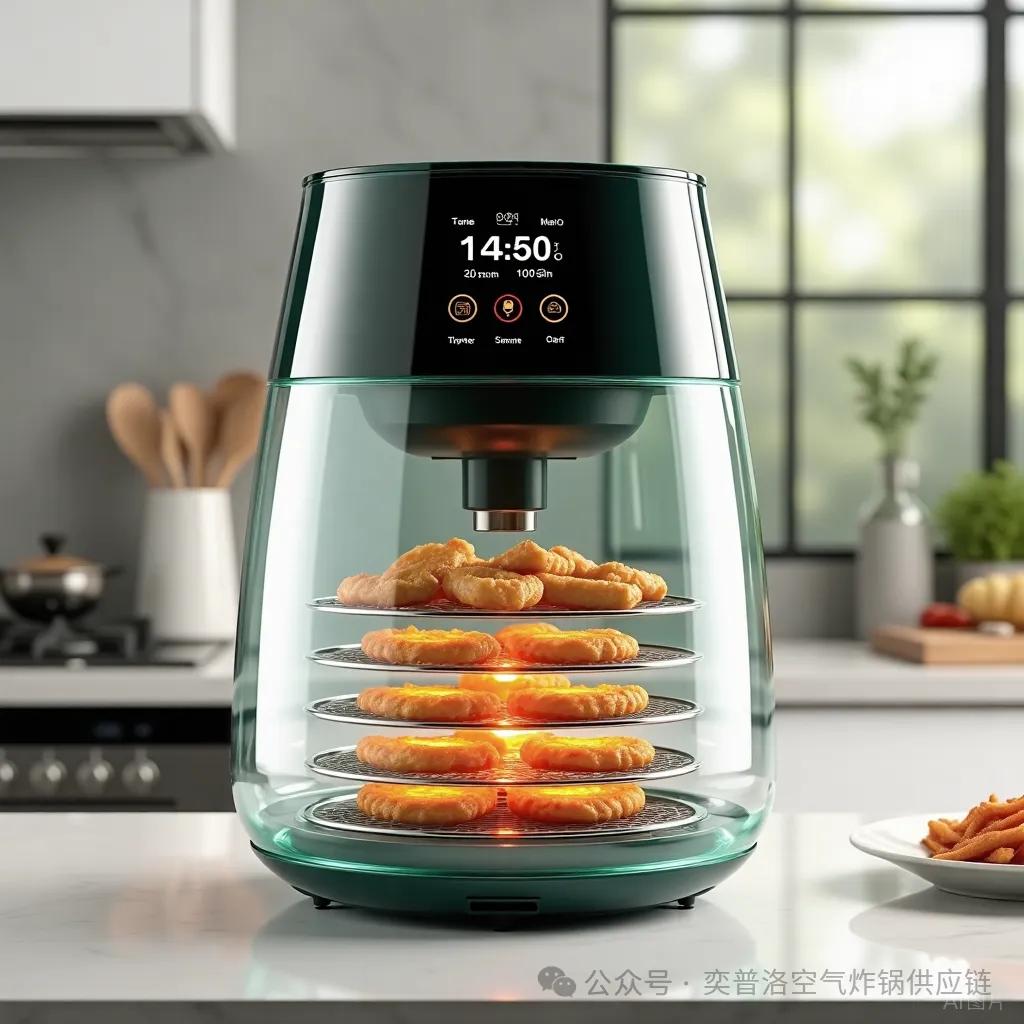
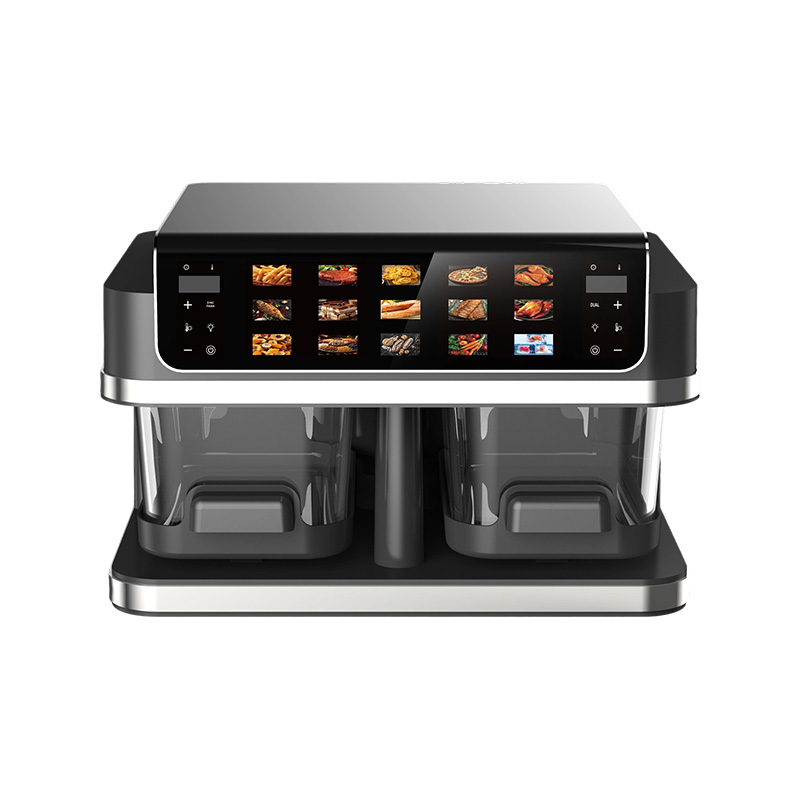
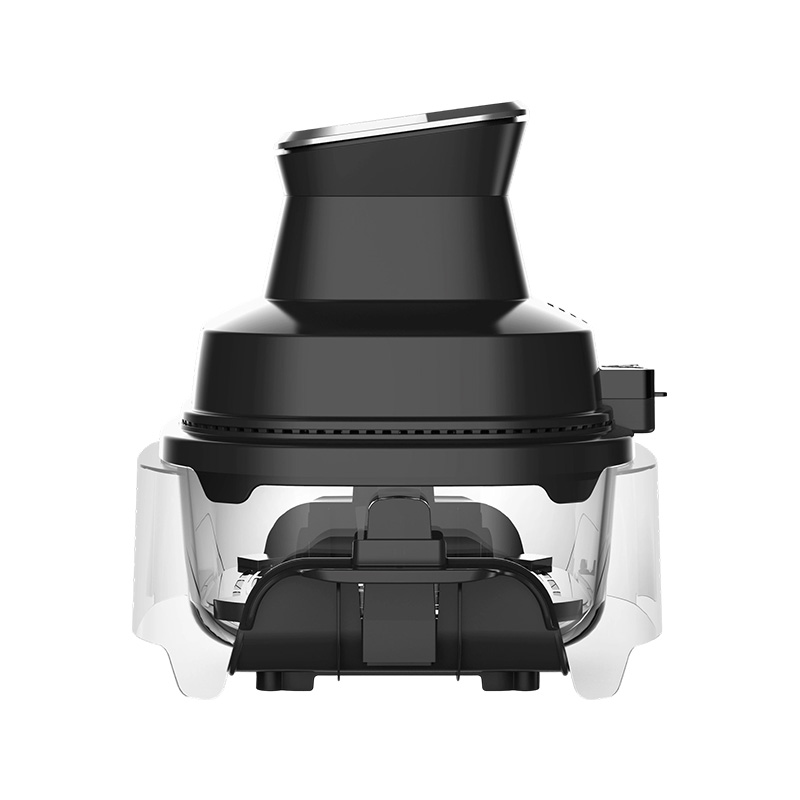
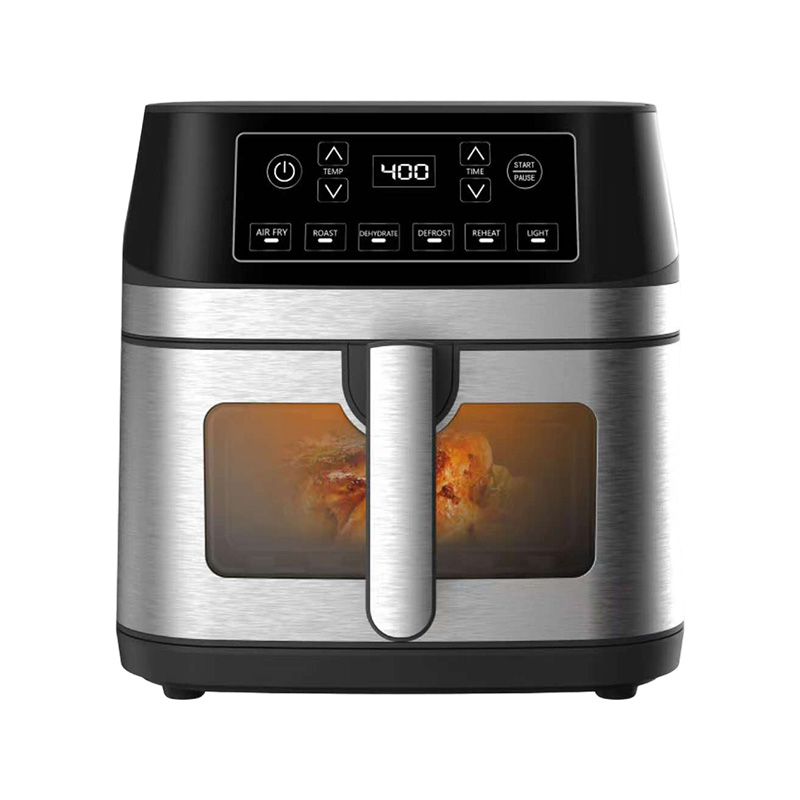
By the autumn of 2026, air fryers with glass cooking chambers are transitioning from a niche innovation to the mainstream market. On October 15, Fritaire—a U.S. brand that gained popularity on TikTok for its "self-cleaning glass bowl"—announced the launch of its new-generation model, the Fritaire Deluxe, and opened pre-orders. A month earlier, SharkNinja introduced its glass-based cooking system, the Ninja CRISPi, to the Indian market, where the initial limited stock sold out within days. The shift toward transparent glass chambers and materials free from fluorine-containing substances—such as PTFE and PFAS—is evolving from a mere marketing hook into a primary driver of industry-wide upgrades.
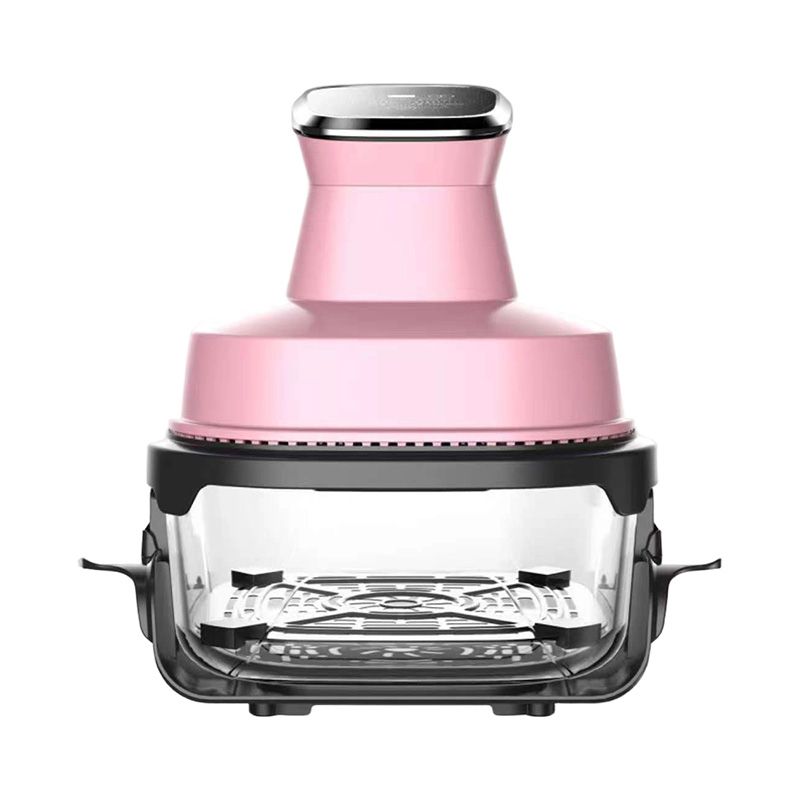
The Fritaire Deluxe features an upgraded 1,500-watt power rating—a 20% increase over its predecessor—and includes a 6-liter borosilicate glass bowl. All surfaces that come into contact with food are free from PTFE, PFAS, and BPA. Priced at $269.99, the unit will be available starting in late November through retailers including Best Buy, Costco, Macy’s, and Amazon. In a statement, the brand’s founder emphasized the philosophy, "If you can’t see it, you shouldn’t have to trust it," positioning "fully visible cooking" as the core product narrative. Meanwhile, the Ninja CRISPi, which debuted in Bengaluru, India, on September 10, boasts a 1,700-watt output and comes with two borosilicate glass containers (1.4 liters and 3.8 liters); the manufacturer explicitly states that the unit is free from PFAS. Having already garnered thousands of five-star reviews in other international markets, the Ninja CRISPi saw its initial limited allocation in India sell out within days of pre-orders opening.
Third-party sales data underscores the commercial momentum of this trend. According to ASINSIGHT—a monitoring firm for Amazon’s U.S. marketplace—an analysis of 49 products categorized under "glass air fryer" and "non-toxic" revealed that, as of August 2026, top-performing models were generating monthly sales between 500 and 4,000 units, with an average price of approximately $152.67 for the top ten products. Notably, the Ninja CRISPi DualZone glass model recorded approximately 1,000 units in sales that month, representing a 100% month-over-month increase. The following table outlines the product lineup of glass-backed models from major overseas brands for this quarter.
| Brand and Model | Power | Capacity | Material Features | Target Market |
| Fritaire Deluxe(America) | 1500W | 6L | Borosilicate glass bowl; free from PTFE, PFAS, and BPA | United States, late November |
| Ninja CRISPi(SharkNinja) | 1700W | 1.4L+3.8L | Dual-borosilicate glass container, explicitly labeled PFAS-free | India, initial launch in September |
| Ninja Crispi Pro | 1800W | 6qt+2.5qt | Borosilicate glass cooking chamber with 6-in-1 functionality | Europe and the United States |
| Cuisinart ClearView | 1600W | —— | Glass air-frying basket + ceramic baking tray | Europe and the United States |
| Kenstar Pure View(India) | Not yet announced | 4.5-12L | All-glass construction | India, September |
In terms of market size, the glass-based solution has emerged as a distinct market segment. According to data from Growth Market Reports, the global market for glass air fryers is valued at approximately $2.1 billion in 2025 and is projected to reach $4.7 billion by 2034, representing a compound annual growth rate (CAGR) of about 9.4%. Growth momentum is primarily concentrated in North America and the Asia-Pacific region.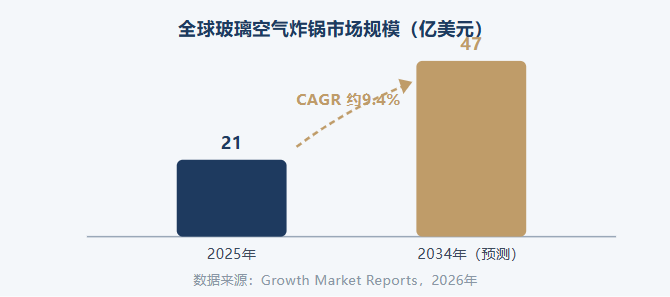
Another driving force behind material upgrades comes from the regulatory side. The European Chemicals Agency (ECHA) Risk Assessment Committee adopted its final opinion on the categorized restrictions on per- and polyfluoroalkyl substances (PFAS) under the REACH framework on March 3, 2026. The Socioeconomic Analysis Committee has also issued a draft opinion, with the final conclusion expected by the end of 2026. Meanwhile, long-term industry testing shows that the non-stick performance of traditional non-stick coated frying baskets deteriorates after 400 to 600 use cycles, and food safety concerns arising from coating wear continue to influence consumer decisions. These two factors combined have accelerated the adoption of uncoated solutions such as high borosilicate glass, ceramic glaze, and all-metal stainless steel into mainstream product lines. Brands such as COSORI, Kenstar, and Cuisinart have all launched related models this quarter.
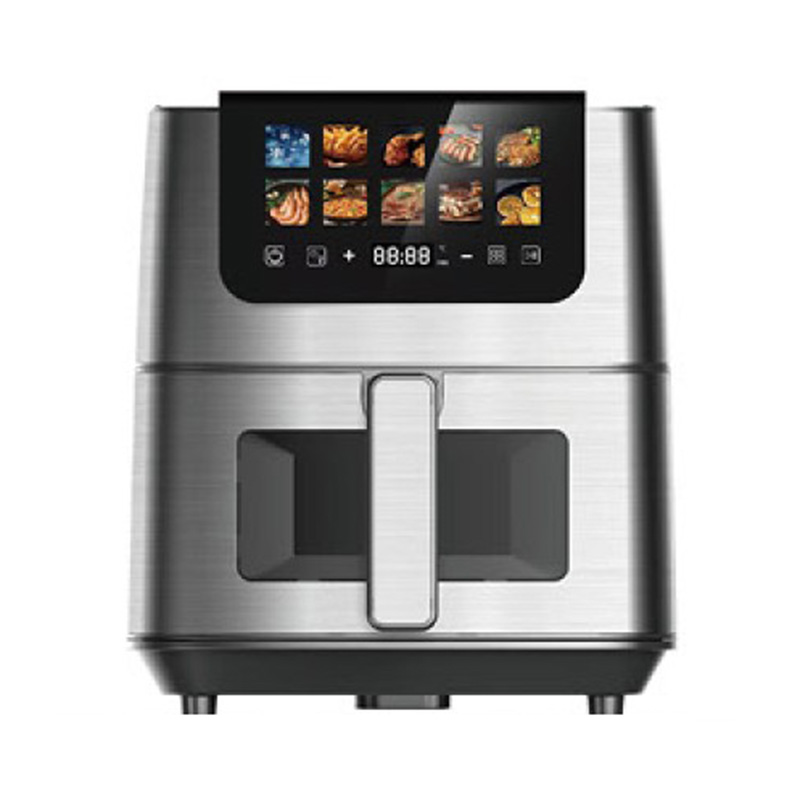
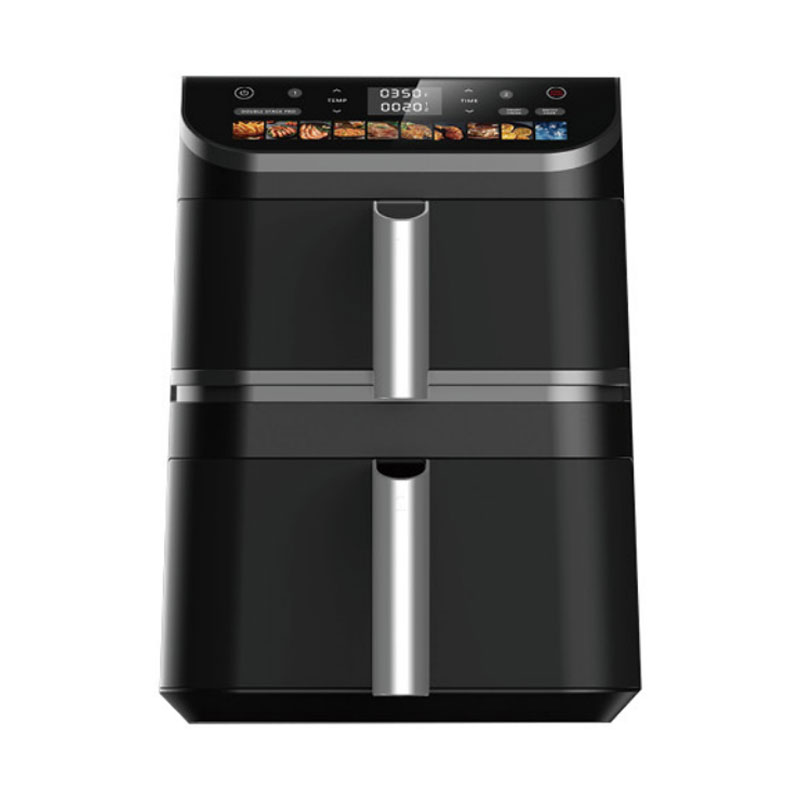
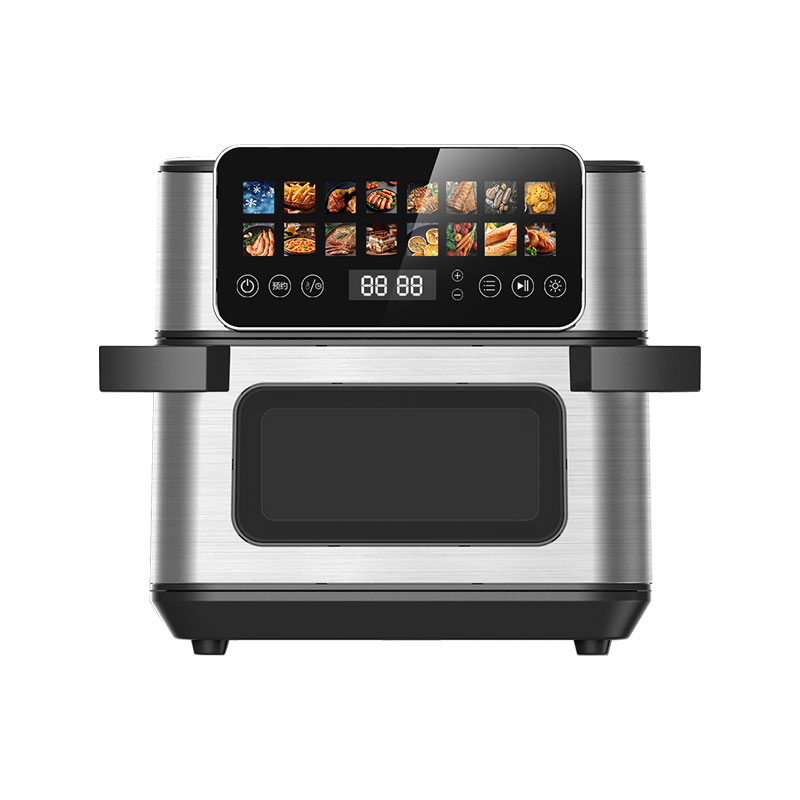
For China's export-oriented air fryer industry, this wave of "transparency and health" offers three key insights. First, material compliance is becoming a prerequisite for channel access. The removal of fluorinated coatings from compliance issues with glass liners provides a clear risk hedging path for suppliers exporting to North America and Europe; manufacturers with borosilicate glass supply chains and target market certifications are expected to gain stronger bargaining power at higher price points. Second, glass solutions have clear capability boundaries. Industry experience shows that the capacity, weight, thermal shock risk, and transportation breakage rate of glass-lined models increase simultaneously, placing higher demands on packaging protection and drop testing; for large-capacity family applications, metal cavities with glass windows or double-basket structures remain a more reliable technical approach. Third, transparent narratives and content e-commerce are highly compatible. "Visible cooking" naturally aligns with short video dissemination; Fritaire successfully launched its brand through TikTok content, suggesting that export companies should consider the synergy between visual design and content marketing during the product definition stage, rather than simply responding to orders at the manufacturing end.
From competition based on specifications to competition based on materials, and then to competition based on trust, the popularity of air fryers with glass liner reflects a profound shift in the global consumer logic for small appliances: consumers are increasingly willing to pay a premium for "certainty and security." For the industry chain, whoever completes the simultaneous development of material substitution, certification infrastructure, and content capabilities first will gain a dominant position in the next round of global competition.